
Best Automatic Dress Watches under 500 by Budget: Smart Picks for 2026
Disclosure: We may earn a commission when you buy through links on this page, at no extra cost to you. As an Amazon Associate I earn from qualifying purchases. Learn more

See what each price tier buys in the best automatic dress watches under 500, from movement and crystal to case size, straps and water ratings.
Prices for dress watches stretch from under $100 to well past $500, and the gap is not always obvious from a photo. This guide to the best automatic dress watches under 500 shows you where extra money actually improves the movement, the crystal, and the finishing. You will learn what each tier gives up, so you can spend on details you will notice every day.
Use the comparison table below to line up case sizes, movements, and prices side by side. Then read the tier notes to decide which level matches your wardrobe, your wrist, and how often you plan to wear the watch.


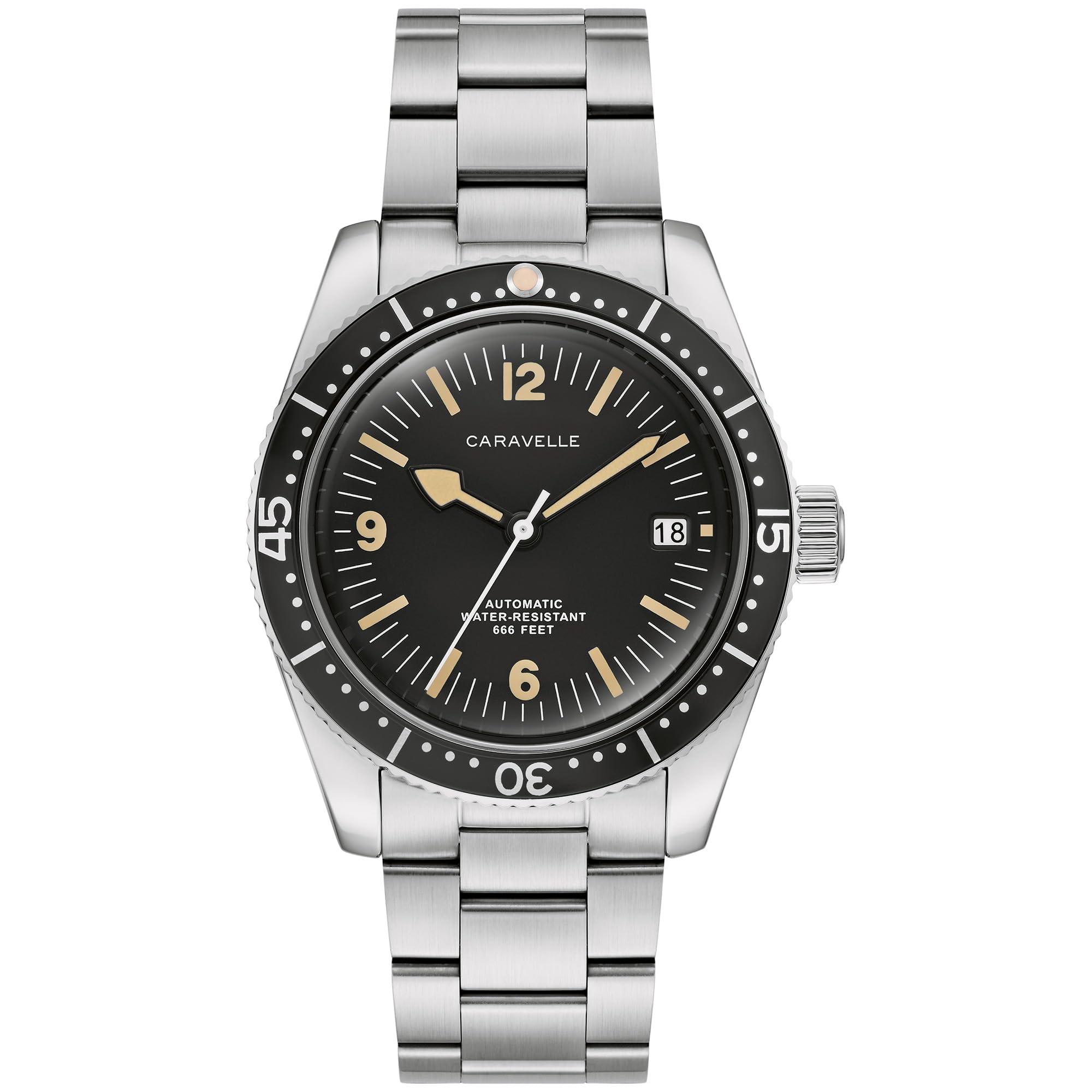
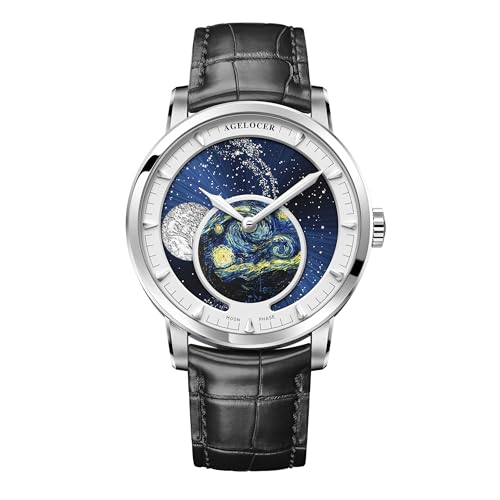

Three Budget Tiers at a Glance
Instead of chasing a single winner, think in tiers. A budget tier watch, a midrange tier watch, and a premium tier watch under $500 serve different buyers, and each tier makes sense for a clear reason.
Who the Budget Tier Suits
Choose this tier, around $100 to $200, for your first automatic dress watch or a second watch for occasional formal wear. Expect a reliable basic movement, a mineral crystal, and simple dial finishing with clean applied markers on better examples. You usually give up sapphire crystal, refined bracelet work, and strong low light lume. The practical win is value. You get the mechanical feel, a sweeping seconds hand, and a slim case that slides under a shirt cuff, without worrying much about daily wear marks.
Who the Midrange Tier Suits
The midrange tier, around $200 to $350, suits buyers who will wear the watch several days a week. This is where sapphire crystal starts to appear, movements gain hacking and hand winding, and case finishing looks sharper in person. Straps improve too, with softer leather and better stitching. If you are comparing options in this range, our guide to the best dress watches under 500 explains how dress styling differs from sport styling. For most buyers, this tier delivers the most visible upgrade per dollar.
Who the Premium Tier Suits
Premium options, around $350 to $500, fit buyers who want one dress watch to keep for years. Expect a sapphire crystal, a more accurate and better regulated movement, and details like a signed crown, polished indices, and a display case back. Lug finishing and dial texture also step up, which matters most in bright office light. The trade off is simple. You pay more for refinement you can see up close, not for a different basic function, since all three tiers tell time the same way.
What Your Money Gets You at Each Price Tier
Price tiers predict some features with surprising accuracy. Knowing the pattern helps you spot a watch that is priced for its brand story rather than its parts, and it helps you spot genuine value just as fast.
Budget Tier: What to Expect
Budget watches around $100 to $200 usually pair a proven entry level automatic movement with a mineral crystal and a basic leather strap or simple bracelet. Water resistance is often 30 meters, which means splash protection only. Dial printing can look flat, and lume may be weak or absent, which is normal for a dress style. Buy here if you want the automatic experience at the lowest sensible cost and you accept that the strap is the first part you may want to replace later.
Midrange Tier: The Sweet Spot for Most Buyers
Midrange watches around $200 to $350 add the features owners notice most. Hacking lets you set the time to the exact second, hand winding lets you start the watch without shaking it, and sapphire crystal resists scratches from desks and cuffs. Cases often measure 38 to 41 mm with slimmer profiles. Buyers who also shop broader automatic options can see our guide to the best watches under 500 automatic for how dress models compare with field and dive styles at the same budget.
Premium Tier: When Spending More Pays Off
Premium watches around $350 to $500 spend your money on execution. Movements may offer longer power reserve, around 70 to 80 hours on some designs, so the watch still runs after a full weekend off the wrist. Dial work gains texture, sunray brushing, or lacquer depth, and bracelets gain solid end links and smoother clasps. Spending more pays off if you wear suits often, notice small details, and plan to keep one watch rather than rotate several cheaper ones.
Features Worth Paying For (and Ones to Skip)
Not every upgrade deserves your money. The four points below separate features that change daily ownership from features that mostly change a spec sheet.
Movement Type (Quartz, Automatic, Solar, Smart)
An automatic movement winds from your wrist motion and a rotor, so it needs no battery changes, but it does need periodic servicing. Accuracy is typically a few seconds to about twenty seconds per day, far looser than quartz watches, which gain or lose only seconds per month. Solar models remove battery worries too, but dress styling is rarer. For a dress watch, choose automatic for the craft and the smooth sweep, and accept the accuracy trade off as part of ownership.
What You Can Realistically Get Under $500
Under $500 you can realistically get a dependable automatic movement, sapphire crystal at midrange and above, a slim polished case, and a genuine leather strap. You should not expect precious metal, complex complications, or hand finishing at the level of luxury Swiss brands. Do not save money on case size or crystal quality, because both affect you daily. You can save on exotic dial materials and brand heritage, which add cost without improving how the watch wears or keeps time.
Strap and Bracelet Options
Leather is the classic dress choice, and smooth calfskin in black or brown covers most formal outfits. A metal bracelet makes the same watch feel sportier and suits warm weather better. Fabric straps in the NATO style dress a watch down for casual Fridays. Look for a quick release strap system with spring bars you can swap without tools, because changing straps is the cheapest way to get two looks from one watch. Check lug width, often 18 to 22 mm, before you buy spare straps.
Water Resistance Rating
A 30 meter rating means the watch handles rain and hand washing splashes, not swimming. A 50 meter rating adds a little margin for accidental immersion, and 100 meters allows swimming, though true dive and field watches go further. Dress watches rarely need more than 50 meters, and higher ratings often come with a thicker case that fights your cuff. Pay for a screw down crown only if you truly expect water exposure. Otherwise, treat the rating as insurance and keep leather straps out of water entirely.
Long Term Costs to Factor In
Ownership costs continue after checkout. An automatic dress watch needs a movement service about every 5 to 7 years, and that service can cost around $100 to $250 depending on the movement and your local watchmaker. Leather straps wear out in about one to two years of regular use, so budget for replacements. If you compare total ownership across brands, our guide to the best automatic watches under 500 dollars covers how warranty length changes the real cost. A two year warranty is common, and keeping proof of purchase protects that coverage.
Frequently Asked Questions
Can you get a good automatic dress watch under $500?
Yes, you can get a genuinely good one under $500. At midrange prices you can find sapphire crystal, a movement with hacking and hand winding, and a case slim enough for formal shirts. One point buyers miss is regulation. Two watches with the same movement can keep noticeably different time, so a seller with an easy return window matters. If accuracy disappoints in the first week, exchange the watch rather than hoping it settles.
How long does a watch battery last?
An automatic dress watch has no battery, so this question applies only to quartz models. A typical quartz battery lasts about two to three years, and replacement usually costs under $30 at a local shop. The useful extra point is storage. If you own both types, the automatic watch stops after a day or two unworn, while the quartz watch keeps running. Many owners keep the quartz model as the grab and go backup for rushed mornings.
Quartz or automatic: which is better?
Quartz is better for pure accuracy and low upkeep, while automatic is better if you value mechanical craft. A quartz watch can sit in a drawer for months and still show the right time. An automatic watch rewards daily wear with a smooth sweeping hand and no battery waste. The deciding point is habit. If you rotate several watches and hate resetting the time, quartz wins. If you wear one watch most days, automatic ownership feels effortless.
What case size fits my wrist?
Most wrists suit a dress watch case diameter of 36 to 40 mm. Measure your wrist, then check lug to lug length, because that number decides whether the case overhangs. A helpful rule is that the lugs should stay inside the width of your wrist when viewed from above. Slim wrists under about 6.5 inches usually look best at 36 to 38 mm. Larger wrists can carry 40 to 42 mm without the watch looking like a sport model.
How water resistant should a watch be?
A rating of 30 to 50 meters is enough for a dress watch used at dinners, offices, and weddings. That covers rain, splashes, and brief accidental contact. One extra caution matters. Water resistance fades as gaskets age, so a five year old watch may not match its original rating. Have seals checked during servicing if you rely on the rating. Never press buttons or adjust the crown near water, and remove the watch before hot showers, since heat and soap stress seals.
Our Verdict
Start with case size, then movement features, then crystal material, in that order. Budget buyers should accept mineral crystal and upgrade the strap later. Midrange buyers get the strongest value, and premium buyers pay for finishing they will enjoy for years. Whichever tier you choose from the best automatic dress watches under 500, compare the options in the product table above before you decide, and pick the watch you will reach for on ordinary workdays, not only on special occasions.


