
Best Automatic Diver Watches: What Actually Matters Before You Buy for 2026
Disclosure: We may earn a commission when you buy through links on this page, at no extra cost to you. As an Amazon Associate I earn from qualifying purchases. Learn more

A clear checklist for the best automatic diver watches, covering water resistance, movements, crystal, case fit, and the red flags that signal poor value.
Diver style watches carry some of the boldest claims in the watch world, with depth numbers and spec sheets that can hide weak build quality. This guide gives you a checklist first, so you can judge any model against the same standards. By the end, you will know how to sort the best automatic diver watches from watches that only look the part.
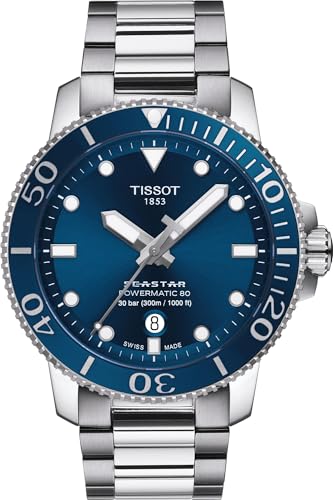
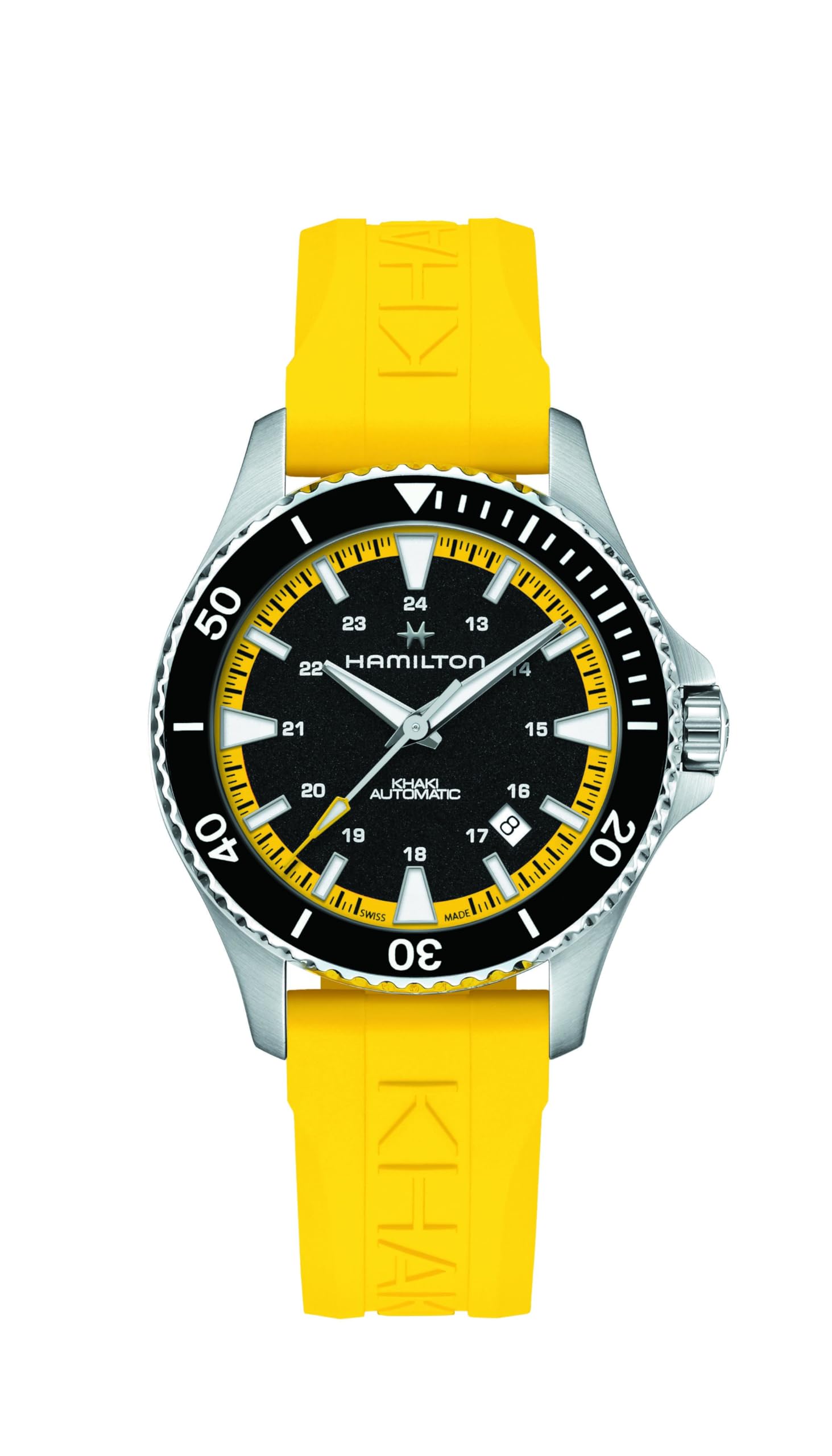
We walk through movement, legibility, materials, and fit, then show you how to apply the checklist at three budget levels. The comparison table below gathers the options, and the criteria after it tell you what each line of the table really means.




How We Evaluate Automatic Diver Watches
Movement Type: Quartz, Automatic, Solar, and Smart
An automatic movement winds itself from the motion of your wrist and stores power in a mainspring, typically for about 38 to 80 hours depending on the caliber. Expect accuracy of roughly minus 20 to plus 20 seconds a day for common movements, which is normal and not a defect. Quartz is more accurate and cheaper, solar removes battery changes, and smart movements add screens but need charging. For a true diver, the automatic movement is the point of the purchase, so check the power reserve and whether it hacks and hand winds.
Legibility and Style
Underwater legibility is the heart of the style. Look for large applied markers, a minute track you can read at a glance, and lume that glows evenly on hands, markers, and the bezel pip. Strong lume should still read clearly after hours in the dark. On land, the same bold dial pairs well with casual clothing but can look large under a dress cuff, so picture where you will wear it most before choosing a dial color and bezel style.
Brand Reputation, Warranty, and Value
A diver watch is a tool you may keep for decades, so the maker matters. Favor brands with a United States service network, spare parts support, and a warranty of at least two years. Resale value follows reputation, and established makers hold value better because collectors trust their parts supply. A no name watch with impressive sounding specs but no service path is a poor buy at any price, because one failed gasket can end its life with no repair route.
Water Resistance Rating
Ratings confuse many buyers, so here is the plain version. A 30 meter rating means splash resistance only, never swimming. At 100 meters you can swim and snorkel. At 200 meters or more, with a screw down crown, the watch suits recreational scuba diving. Serious dive models follow the ISO 6425 standard, which tests each watch beyond its stated depth. Remember that ratings assume fresh gaskets, so have seals checked every few years, especially before a dive trip.
Crystal and Case Materials
Sapphire crystal is the standard to want, since it resists scratches from everything except diamond and a few harder materials. Mineral glass costs less and can shave price, but it will pick up marks over years of hard use. For the case, 316L stainless steel is the proven default, titanium weighs less and suits sensitive skin, and bronze develops a personal patina but needs more care. Check that the bezel action feels firm with clean clicks and no wobble.
Case Size and Wrist Fit
Case diameter between 38 and 44 mm covers most wrists, but lug to lug length decides comfort more than diameter does. Measure your wrist, then look for a lug to lug that stays within its flat top surface, roughly under 52 mm for average wrists. Thickness matters too, since many divers run 12 to 15 mm tall and catch on cuffs. If you shop for a household member, our guide to the best men's automatic watches shows how these fit rules apply across other styles as well.
Smart and Fitness Features
A classic automatic diver has no smart features, and that is a strength for many owners, since there is nothing to charge and nothing to go obsolete. If you want GPS tracking or heart rate data while you swim, you are shopping for a dive computer or a smartwatch instead, which is a different tool. Treat any watch that claims smart features plus a mechanical movement with suspicion, and note that fitness sensors are training aids, not medical devices.
Three Budget Levels That Pass Our Checklist
Instead of naming models, use these tiers to judge whatever appears in the product table above. Each tier describes what a passing watch looks like at that price, so you can score options yourself in minutes.
Best Overall Tier: Around $500 to $1000
At this level, expect a sapphire crystal, a 200 meter rating with a screw down crown, a movement with hacking and hand winding, and a bracelet with solid end links. Lume should be generous and even, and the bezel should turn with precise clicks and line up at twelve. This tier suits a buyer who wants one diver for swimming, travel, and daily wear for years. The main limit here is finishing, since polishing and dial detail stay a step below luxury pieces.
Best Value Tier: Around $200 to $500
Value divers keep the core specs and trim the extras. You still get a real automatic movement, 200 meter resistance on many models, and a steel case, but the crystal may be mineral or a coated sapphire, and the bracelet may use folded links. This tier is right for a first automatic diver or a beater watch for the beach. If this range appeals to you, our guide to the best affordable automatic watches covers the same budget thinking in other styles.
Best for Heavy Use Tier: Around $1000 and Up
Above about $1000, you pay for stronger movements with longer power reserves, ceramic bezel inserts that resist scratches, better bracelet clasps with tool free adjustment, and tighter build tolerances. Divers who actually dive, work on boats, or wear one watch through everything get the most from this tier. The trade off is service cost, since premium movements cost more to maintain, and the watch draws more attention, which some owners dislike while traveling.
Quick Buyer Checklist
- Does the watch carry at least a 200 meter rating with a screw down crown?
- Is the crystal sapphire rather than mineral or acrylic?
- Does the movement hack and hand wind, with a stated power reserve?
- Is the lume bright on the hands, markers, and bezel pip?
- Does the lug to lug length fit the flat top of your wrist?
- Is the warranty at least two years with service in your country?
- Does the bezel turn one way only, with firm clicks and no wobble?
- Would you still choose it with the brand name hidden?
Red Flags to Watch For
Walk away when a listing shows a depth rating in big type but never mentions a screw down crown, since that pairing usually means fashion styling only. Be wary of vague movement descriptions like Japanese movement with no caliber name, of depth claims with no ISO reference on a watch sold for diving, and of warranties under one year. Sudden walls of glowing reviews for an unknown brand are another warning sign. Finally, prices far below similar spec watches usually mean the crystal, gaskets, or bracelet quality was cut somewhere you cannot see in photos.
Best Automatic Diver Watches for Specific Needs
Best Automatic Diver Watches under 1000: What to Check
Listings for the best automatic diver watches under 1000 often mix in 100 meter models that only look like divers. Filter by the screw down crown and the unidirectional bezel first, then compare power reserve. At this price, a 70 hour reserve is realistic and very handy if you rotate two watches. Check return terms too, because wrist fit is hard to judge from photos alone.
Best Swiss Automatic Diver Watches under 1000: What to Check
The label on the best swiss automatic diver watches under 1000 should mean a Swiss made movement and final assembly that meets Swiss rules, not just Swiss styling. Expect to pay for that origin with slightly plainer finishing than Japanese rivals at the same price. Confirm the movement name, since Swiss calibers at this level differ in power reserve and service cost.
For a wider view of watches built for the water, see our guide to the best watches for divers, and for the broader automatic category, our guide to the best automatic watches explains movement families in more depth. Shoppers buying for a partner may also find the best women's automatic watches guide useful, since smaller diver cases follow the same fit rules.
Setup and Care Tips
When your watch arrives, wind it about 30 turns, set the time away from the 9 p.m. to 3 a.m. date change window, and screw the crown down fully before any water contact. Rinse the watch in fresh water after saltwater exposure, including under the bezel. Store it away from magnets such as bag clasps and speakers, which can speed up the movement. Plan a professional service every 5 to 7 years, and ask for gasket replacement and a pressure test at each service.
FAQs
How water resistant should a diver watch be?
Choose 200 meters with a screw down crown if you plan to swim, snorkel, or dive. A 100 meter watch handles swimming and showers but is not built for scuba. One detail listings rarely explain: never press pushers or unscrew the crown while the watch is wet, because that is the moment water finds its way past the seals regardless of the rating printed on the dial.
What case size fits my wrist?
Most wrists between 6 and 7.5 inches suit cases from 38 to 42 mm, with lug to lug length under about 50 mm. Try the watch with your usual sleeve, since height causes more daily annoyance than diameter. If you order online, measure a watch you already own from lug tip to lug tip and match that number rather than guessing from diameter alone.
Quartz or automatic: which is better for a diver?
Automatic is better if you value the craft, the smooth sweeping seconds hand, and a watch that never needs a battery. Quartz wins on accuracy, price, and grab and go ease. Neither is more water resistant by nature, since sealing depends on the case and gaskets. Many divers own both, using quartz for rough trips and the automatic as the daily piece they enjoy most.
How long does a watch battery last?
An automatic diver has no battery at all, which surprises some first time buyers. Its mainspring rewinds as you move, and a full wind lasts roughly 38 to 80 hours off the wrist. Quartz models, by contrast, run about 2 to 3 years per battery. If your automatic stops after a quiet weekend on the dresser, that is normal behavior, not a fault, and a short hand wind restarts it.
Is a smartwatch worth it over a classic diver watch?
Only if you will actually use its tracking, notifications, and dive computer functions. A smartwatch needs charging every day or two and becomes outdated within years, while a mechanical diver can serve for decades with routine service. Many swimmers keep both, training with the smartwatch and wearing the classic diver the rest of the week. Decide by your habits, not by feature lists.
Our Verdict
Score any candidate on water resistance done properly, sapphire glass, and wrist fit before you look at styling. The best automatic diver watches pass all three at every budget tier above, so use the checklist, compare the product table above, and pick the tier that matches how hard you will really use the watch.


