
Best Auto Watches in 2026: Automatic Watch Buying Guide
Disclosure: We may earn a commission when you buy through links on this page, at no extra cost to you. As an Amazon Associate I earn from qualifying purchases. Learn more

Compare self-winding movements, case size, crystal and water resistance to choose the best auto watches for your wrist and budget.
The best auto watches are automatic watches: mechanical timepieces that wind themselves from the motion of your wrist, with no battery to replace. A rotor inside the case swings as you move and tightens the mainspring, so a watch worn daily keeps running for years. The product table lists automatic models across a wide price range, from affordable everyday pieces to dressier options.
This guide explains what separates one automatic watch from another, so you can choose by movement, size, durability and how you plan to wear it.


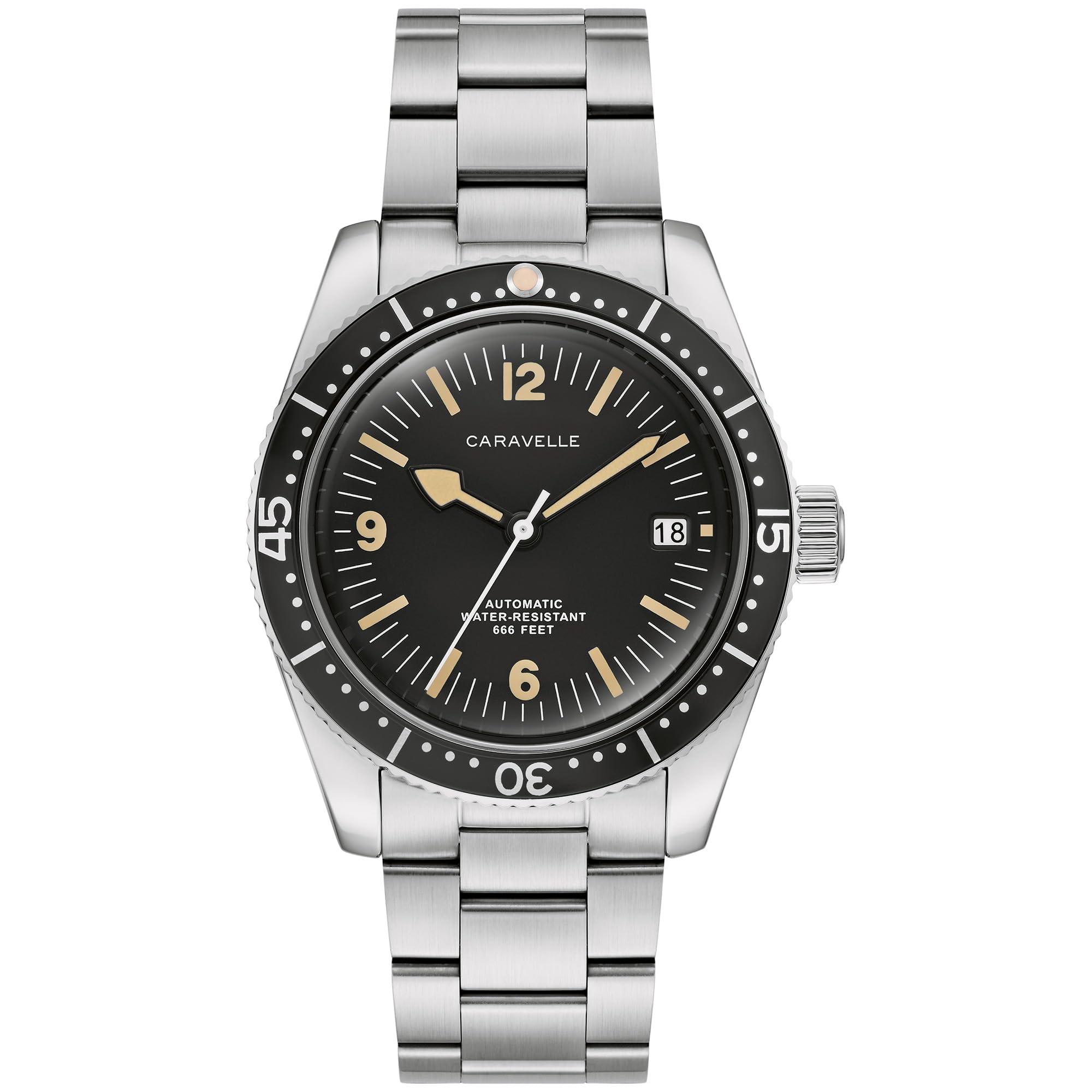


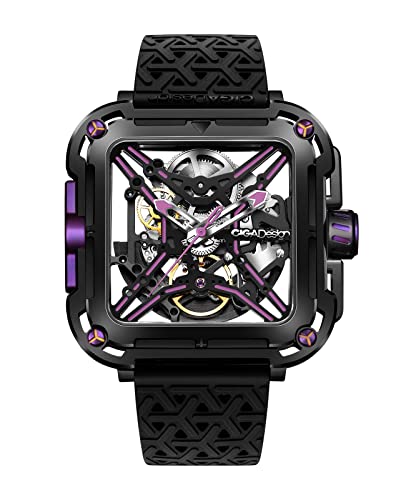


Who Should Buy an Automatic Watch
Automatic watches suit people who like mechanical craft, want a watch that never needs a battery, or plan to wear one most days. They also make lasting gifts, since a well-made movement can be serviced and passed on.
If you want the best accuracy for the lowest price, quartz wins. If you enjoy the sweep of the seconds hand and the idea of a watch powered by your own movement, automatic is the better fit.
How an Automatic Watch Works
A self-winding movement stores energy in a mainspring that the rotor keeps wound. Most models hold roughly 38 to 48 hours of power reserve once fully wound, so a watch left off the wrist for a weekend may stop. Many also allow hand winding using the crown, which is useful for starting the watch or after a long rest.
Accuracy differs from quartz. Everyday automatic movements commonly gain or lose several seconds per day, and position, temperature and wear habits all influence the rate. That is normal, not a defect.
Key Features to Compare
- Movement: well-known Japanese and Swiss movements are easy to service, while lesser-known ones can be harder to repair later.
- Power reserve: longer reserves keep the watch running over a weekend.
- Case size and thickness: about 36 to 42 mm suits most wrists, and slimmer cases slide under a cuff.
- Crystal: sapphire resists scratches best, while mineral glass costs less and scratches more easily.
- Water resistance: 50 meters handles splashes, while 100 to 200 meters suits swimming and diving.
- Display back: a clear case back lets you see the movement run.
- Strap or bracelet: a quick-release fitting makes switching straps easy.
Types of Automatic Watches
Dress watches
Slim, simple dials and leather straps, made to sit under a shirt cuff. They suit offices and formal events.
Dive and sports watches
Thicker cases, rotating bezels and stronger water resistance. They handle daily wear and travel well.
Skeleton and open-heart watches
Dials cut away to show the gears. They look striking, though they can be harder to read at a glance.
How to Choose the Best Auto Watches Side by Side
Shortlist two or three watches and compare movement, size, crystal, water resistance and warranty on the same sheet. Many buyers spend about $150 to $500, and a higher price should buy a better movement, finishing or case, not just a name.
Check your wrist size against the lug-to-lug length, since a case that looks right on a screen can overhang a smaller wrist.
Caring for an Automatic Watch
Wear it regularly or use a watch winder if you rotate several watches. Keep it away from strong magnets, which can disturb the rate. Rinse after salt water exposure, and have a mechanical movement serviced every several years, as the maker advises.
Set the date only when the hands are away from the changeover period, usually around midnight, to avoid damaging the date mechanism.
Common Mistakes to Avoid
- Expecting quartz-level accuracy from an automatic movement.
- Buying a case too large for your wrist.
- Assuming every watch with a screwed-down crown suits swimming.
- Ignoring service costs for obscure movements.
Related Buying Guides
For nearby choices, see best quality watches, best workout watches, best watches for guys, best manly watches and best male watches.
Frequently Asked Questions
Do automatic watches need batteries?
No. The wrist motion winds the mainspring, and you can also wind most models by hand through the crown.
How long does an automatic watch run when I take it off?
Typically about a day and a half to two days, depending on the power reserve listed for the model.
Are automatic watches accurate?
They are accurate enough for daily use, though they usually drift a few seconds a day. Quartz watches are more precise.
Can I wear an automatic watch every day?
Yes. Daily wear keeps it wound and running. Check the water resistance rating before you wear it near water.
How often should an automatic watch be serviced?
Follow the maker guidance, commonly every five to ten years. Servicing cleans and oils the movement and replaces worn seals.
Final Thoughts
Choosing the best auto watches comes down to movement quality, a size that fits your wrist and a style you will wear often. Use the product table to compare models, and pick the one you would be happy to reach for every morning. A watch that you enjoy wearing is the one that stays wound.


