Best Authentic Cowboy Boots in 2026: What Actually Matters Before You Buy
Disclosure: We may earn a commission when you buy through links on this page, at no extra cost to you. As an Amazon Associate I earn from qualifying purchases. Learn more

Learn how to choose authentic cowboy boots by leather, welt construction, toe and heel shape, fit and sole, plus care tips that help them last.
Plenty of boots wear a western look without the build that made the style last. The best authentic cowboy boots use real leather, a welted sole you can resole, and a heel and toe shaped for the saddle. This guide gives you a checklist for telling that build apart from a fashion copy, so you can judge the comparison table below on construction rather than decoration.
Start with how you will wear the pair. Riding, long days on concrete, and dress wear ask different things of the sole, heel, and leather, and the sections below match each use to what matters.

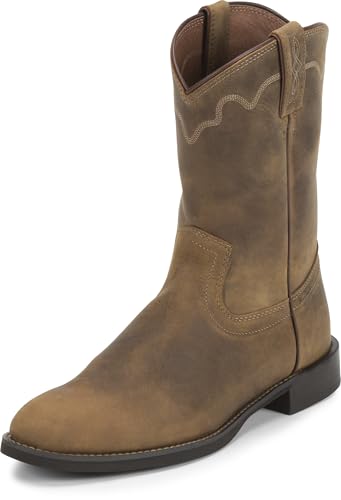
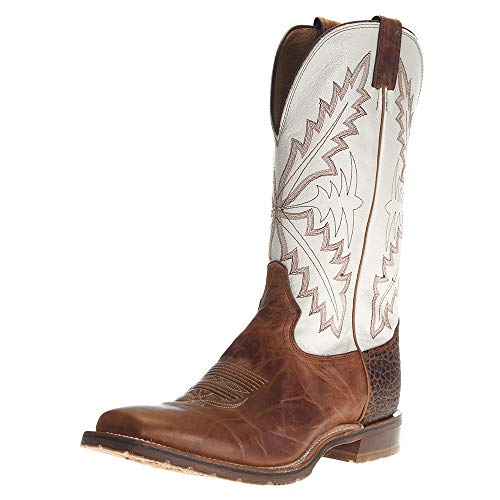
Who Should Buy Authentic Cowboy Boots?
Authentic construction costs more than a glued fashion boot, so it pays most when you expect one pair to serve for years.
Ranch Hands Who Work on the Ground and in the Saddle
You need one boot for dirt, fences, and mounting. Choose a classic or roper style in sturdy cowhide with a rubber outsole for grip on packed earth and barn floors. If work use drives your search, see our guide to the best cowboy boots for men.
Western Riders Who Want a True Stirrup Heel and Toe
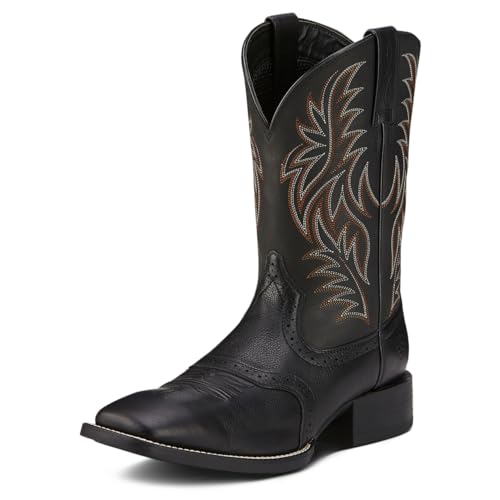
You need the original riding geometry, not a flat fashion sole. A tapered toe enters the stirrup easily, and the underslung heel, about 1.5 to 2 inches tall, helps keep the boot from slipping through. A shaft of about 11 to 13 inches also shields your lower leg from the stirrup leather.
Everyday Wearers Who Want Traditional Style That Fits
You want the stitched shaft and pointed profile in a last shaped for your foot. Women often find a narrower heel and smaller instep volume in lasts cut for them, so see our guide to the best ladies cowboy boots if unisex sizing feels loose at the heel.
Key Features to Compare
The best authentic cowboy boots share six checks you can verify before you buy. Work through them in order, because leather and construction decide how long the boot lasts, while toe and heel decide how it feels in use.
Full Grain Leather for the Upper, Shaft, and Lining
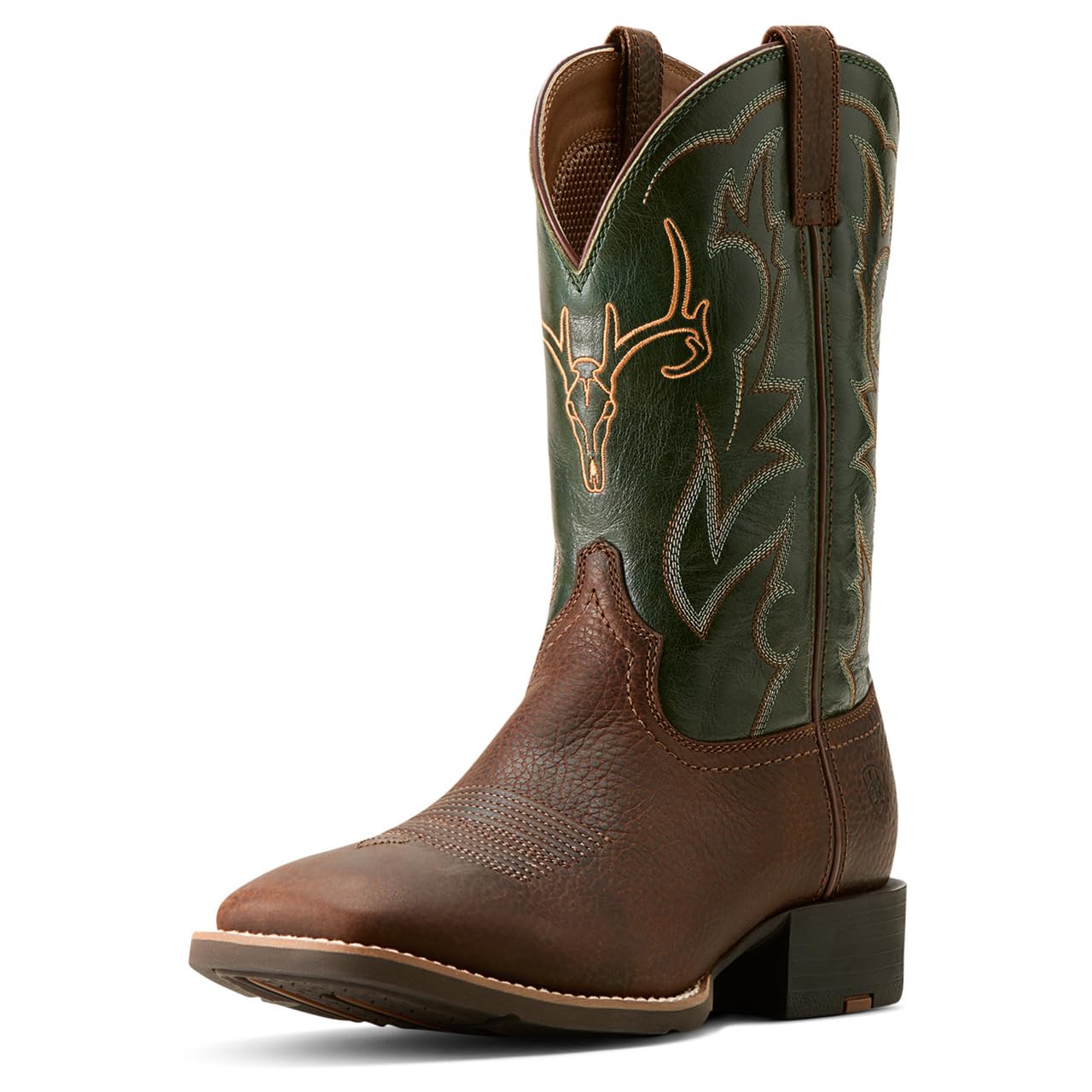
An authentic upper is full grain cowhide, the top layer of the hide with its natural surface intact. It resists scuffs, molds slightly to your leg and foot, and takes conditioner well, and it outlasts synthetic panels that crack at the flex points. Real leather creases in fine lines rather than folding in sharp plastic looking ridges. A leather lining also matters, since it breathes against your calf and holds its shape instead of sagging like fabric.
Welted Construction and a Leather Insole You Can Resole
Traditional boots join the upper to the sole with a welt, a strip of leather stitched around the edge, rather than glue alone. That seam lets a cobbler remove a worn outsole and stitch on a new one, so a good upper can serve through several soles. Inside, a leather insole over cork filling gradually molds to your foot instead of packing flat like foam. If build quality comes first, see our guide to the best quality cowboy boots.
Toe Shape and Enough Room for Your Toes
Toe shape is partly tradition and partly comfort. A classic pointed toe and a slightly wider snip toe are the historic riding shapes, a round toe gives your toes more spread room, and a broad square toe is a newer work oriented shape. Your longest toe should not press the end when you stand, and the widest part of your foot should sit at the widest part of the boot. Pointed styles need a touch more length, so judge by feel, not by the size number.
The Underslung Cowboy Heel and Shaft Height
The traditional heel angles forward as it drops, which is what catches the stirrup and gives the boot its stance. Riding heels run about 1.5 to 2 inches, while roper heels are lower and straighter for walking. The shaft, usually about 11 to 13 inches, should stand upright without folding at the ankle and clear your calf without pinching. Check that your pant leg falls over the shaft without bunching, and see our guide to the best jeans for cowboy boots if your jeans catch on the shaft top.
Leather Outsole or Rubber Outsole for Your Ground
A leather outsole is the traditional choice: smooth in the stirrup and elegant on dress boots, but slippery on wet pavement and quick to wear on rough concrete. A rubber outsole grips better in rain and mud and lasts longer for daily walking, though it can feel stickier when you want the boot to slide free of a stirrup. Match the sole to the ground you cross most, not the ground you cross once a year.
Fit at the Instep, Heel Slip, and Sock Choice
Fit in a pull on boot is held by the instep, not by laces. The vamp should feel snug across the top of your foot, firm enough that you use the pull straps and a steady tug to get the boot on. New boots normally slip about a quarter to half an inch at the heel, and that slip shrinks as the insole molds. Try boots in the afternoon with your usual socks, and see our guide to the best socks for cowboy boots for weights that suit tall shafts.
Traditional Styles Compared and a Quick Buyer Checklist
Three traditional styles cover most buyers. The classic western boot has a tall shaft, a pointed or snip toe, and the full height riding heel, and it suits riders best. The roper lowers the heel, rounds the toe, and often uses a rubber outsole, which suits stable work and longer walking. Dress western boots keep the classic shape in finer or exotic leathers with a leather sole, for formal wear rather than mud.
Before you pay, run through this checklist.
- Is the upper full grain leather rather than synthetic?
- Is the sole welted and resoleable rather than only glued?
- Does the instep feel snug while your toes lie flat?
- Does the heel slip only slightly as you walk?
- Does the sole match your usual ground?
- Does the shaft stand upright without pinching your calf?
Common Mistakes to Avoid
Most returns and sore feet trace back to a short list of avoidable errors.
- Buying your shoe size without a fit check leaves the instep too loose, because pull on boots hold the foot differently from lace up shoes.
- Choosing a pointed toe in a short length crams your toes and makes long days painful.
- Wearing a leather sole on wet concrete daily wears it through quickly and invites a fall.
- Judging authenticity by shaft stitching alone lets a glued synthetic boot pass as traditional.
- Skipping conditioner for a year lets the vamp dry and crack where it flexes.
Care and Maintenance Tips for Cowboy Boots
Brush dust and dried mud off after each wear, and wipe the leather with a slightly damp cloth when dirt builds up. Apply conditioner in thin coats every few months, or sooner when the leather looks dull and feels stiff, because fed leather resists cracking at the flex points. If you wear boots daily, rotate two pairs so the insole and lining can dry fully on rest days.
Dry wet boots slowly at room temperature, away from heaters and direct sun, with newspaper or boot trees inside to hold the shape, because heat dried leather turns brittle. Store boots upright rather than folded. When the outsole wears thin at the ball of the foot, take the pair to a cobbler for resoling.
Frequently Asked Questions
How should authentic cowboy boots fit when they are new?
Authentic cowboy boots should feel snug at the instep, roomy enough at the toes, and loose by a small amount at the heel when new. One extra check is to stand on one foot and shift your weight: the boot should not roll or let your foot slide side to side. If your toes curl or the top of your foot goes numb within minutes, the size or the last is wrong for you.
How long is the break in period for authentic cowboy boots?
The break in period for authentic cowboy boots is usually about one to two weeks of regular wear. Start with short walks that grow longer each day, and wear the pair indoors first if you may still need to exchange the size. Sharp pain is not part of break in, so recheck the fit if pain appears.
Can I wear authentic cowboy boots all day on concrete?
Yes, you can wear authentic cowboy boots all day on concrete if you choose a roper heel and a rubber outsole. A leather insole molds well but offers little soft padding, so people who stand on hard floors often add a thin cushioned insert. Check that the insert still leaves your instep snug, because a thick insert can lift your foot and change the fit.
Are expensive authentic cowboy boots worth the extra cost?
Expensive authentic cowboy boots are worth the extra cost when the price buys thicker full grain leather, careful hand lasting, and a welted sole you can replace. Solid cowhide pairs often cost about $200 to $400, while exotic leathers and finer handwork can pass $500. Pay for materials and construction, not for a famous name.
Should authentic cowboy boots be waterproofed before wear?
Authentic cowboy boots do not need heavy waterproofing before wear. A light water repellent made for smooth leather can help a work pair that faces rain, but test it on a hidden spot first, because some products darken lighter hides. Dress pairs are better kept out of heavy rain entirely. Let boots dry fully before conditioning, since conditioner over damp leather traps moisture inside.
Wrapping Up
Judge a pair the way a bootmaker would: full grain leather, a welted sole, a true riding heel, and a snug instep with room at the toes. Use the product table above to compare those points side by side.
When you shop for best authentic cowboy boots with that checklist in hand, decoration stops doing the selling and construction does. Buy the pair that fits your foot and your work, care for the leather, and it should serve you for years.