
Best Australian Work Boots for Every Need in 2026: How to Pick the Right One
Disclosure: We may earn a commission when you buy through links on this page, at no extra cost to you. As an Amazon Associate I earn from qualifying purchases. Learn more

Compare Australian work boots by job and climate, covering safety toes, waterproofing, sizing, support and care so you pick the right pair with confidence.
There is no single pair that suits every Australian job. A boot that sheds mud on a wet site can feel hot and stiff on a dry warehouse floor. The best australian work boots for you depend on your tasks, your climate and your site safety rules. This guide matches features to real jobs so you can build a clear shortlist.
Start with three questions. Does your site require a safety toe, how long do you stand each shift, and will you work in heat, dust, rain or mud? Your answers point to the toe type, closure, upper and outsole you need.
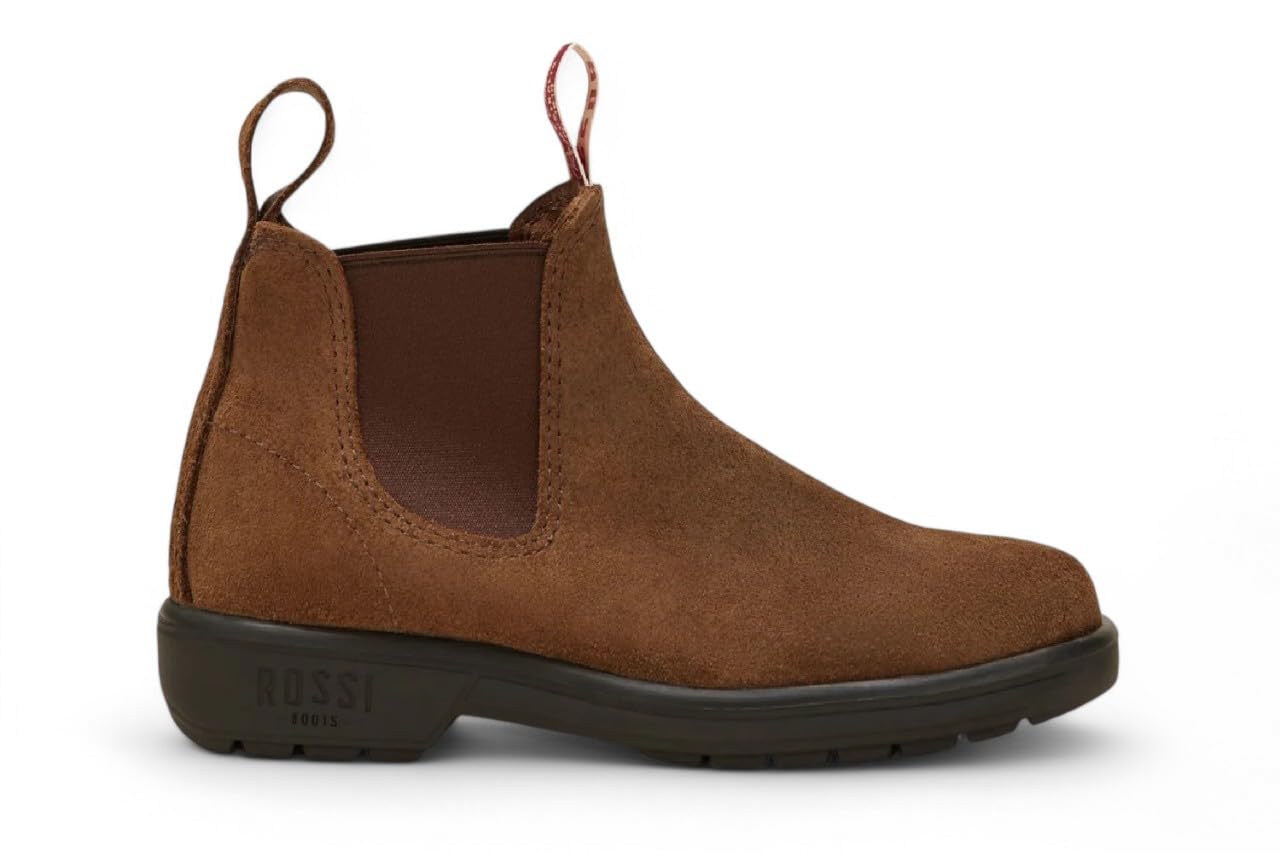


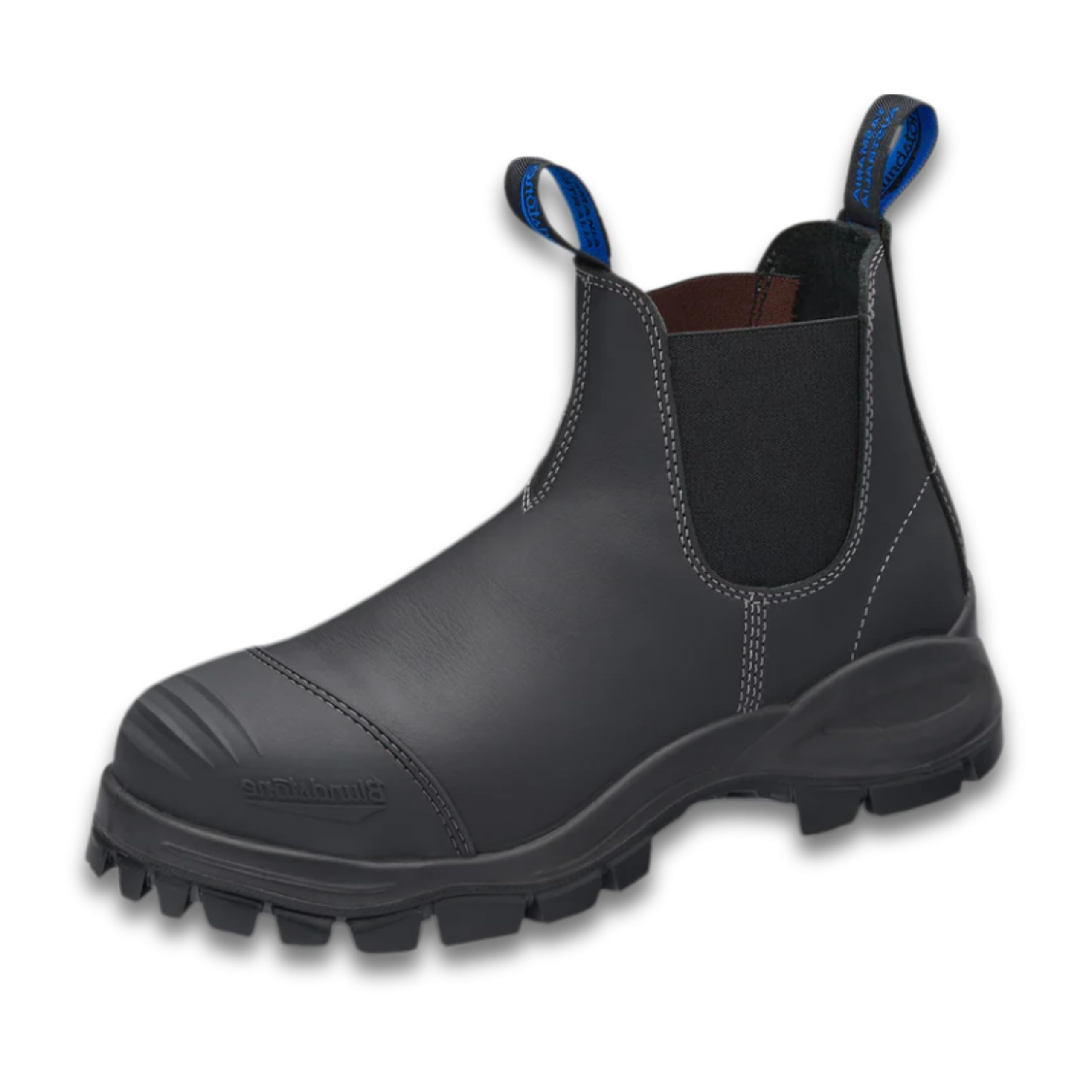
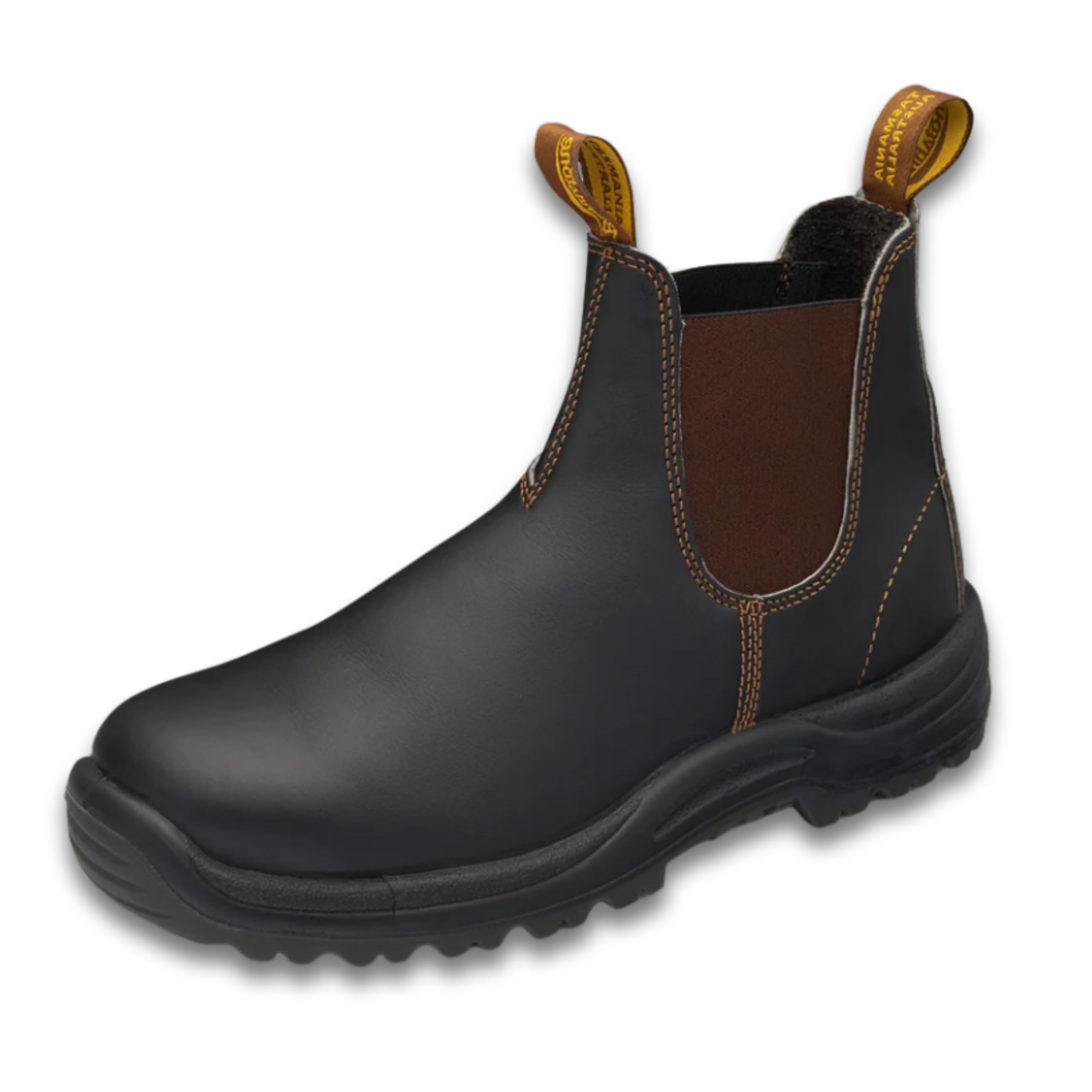
Who Should Buy Which Australian Work Boots?
Buy for the job you do most weeks, not the toughest day you can imagine.
For Wet Ground, Mud and Tough Sites
You work outdoors where rain, wash down areas or muddy tracks are routine. Prioritize a waterproof membrane, a gusseted tongue on lace up styles, and deep lugs that clear mud as you walk. Full grain leather handles scrapes from rock and steel better than thin synthetic panels. Choose a higher cut for puddles or loose fill, because extra height helps keep water and grit from spilling in above the ankle.
For Hot, Dry Work and Long Shifts
You work in heat, dust or indoors on concrete, where heavy waterproof boots can feel punishing by midday. Look for a breathable upper, a lighter composite toe where your site allows it, and cushioning that stays supportive late in the shift. If you mostly drive or deliver, a flexible sole you can feel the pedals through beats a rigid heavy pair.
For New Starters and Lighter Duties
You are starting an apprenticeship, a casual site role or a job with mixed indoor and outdoor tasks. Choose a mid priced pair with the toe type your employer requires, decent ankle support and a fit you can wear all day from the first week. You do not need the thickest leather or deepest tread yet. Spend on correct sizing first, because a modest boot that fits beats a premium boot that rubs.
Key Features to Compare
Compare these factors in order, because toe compliance and fit decide whether a boot can do your job at all. Many shoppers rank the best australian work boots on price first, yet the points below matter more.
Safety Toe Caps and Site Compliance
Safety toes come in steel and composite forms. Steel is slim, strong and often cheaper, while composite toes are lighter, feel less cold on winter mornings and do not conduct electricity the way metal can. Both must meet the safety standard your site specifies, so check the compliance marking inside the boot and ask your safety officer if unsure. Never assume a work styled boot is a safety boot until you confirm its rating.
Closure Style and Ankle Support
The classic Australian pattern is an elastic sided pull on boot, quick to remove at the door and with no laces to catch or burn through near welding work. Lace up boots let you adjust tension across the foot and usually support the ankle better on uneven ground. Choose pull on styles for flat ground and trips indoors, and lace up styles for ladders, slopes and rough terrain.
How Membranes Keep Feet Dry on Wet Work Sites
A waterproof membrane keeps rain and shallow puddles out while letting some moisture vapor escape, and Gore Tex is the best known version of this idea. It suits wet sites and dewy early starts. The trade off is warmth, because a membrane breathes less freely than an open mesh or unlined leather upper. In dry heat with only the odd shower, water resistant leather may keep you cooler and cost less.
Arch Support, Cushioning and Heel to Toe Drop
Arch support should match your foot shape. Flat feet often feel better with firmer support that limits inward rolling, while high arches usually need more cushioning under the heel and forefoot. Heel to toe drop is the height difference between heel and toes, and a modest drop can ease calf strain on hard floors. Persistent heel pain, numbness or tingling that does not settle after a few shifts is a sign to get advice, so talk with your clinician about personal needs. For adjustable support, see our guide to the best inserts for work boots.
Fit, Australian Sizing and Toe Box Room
Australian boot sizing follows the UK scale for most brands, and the numbers often run about one size lower than US mens sizing, so an Australian 10 is commonly a US 11. Always check the brand size chart instead of trusting that rule. Measure both feet late in the day, when they are largest, and try boots with your work socks. Your toes should not touch the safety cap, and the toe box should let them spread freely. For fits cut for men, see our guide to the best men's work boots.
Outsole Grip, Weight and Flexibility
The outsole decides how secure you feel on wet concrete, steel ramps, gravel and mud. Look for open tread channels that shed water and grit, and rubber described as slip resistant and oil resistant for workshop floors. Thicker soles protect more but tire your legs sooner. If you climb, kneel or drive often, check that the boot bends at the ball of the foot.
Pull On or Lace Up: Choosing Your Boot Style
Style is a practical choice, not a fashion one. Elastic sided pull on boots dominate many Australian farms, depots and workshops because they go on in seconds, shed dust easily and wipe clean. A pair that feels loose on day one will only get looser, because the fit depends on the elastic. Lace up boots take longer to put on, but the laces lock the heel down when feet swell during a shift.
Keep your wider searches separate too. For general guidance beyond Australian styles, see our guide to the best work boots. For the same national style without a safety rating, for yard work or weekends, see our guide to the best australian boots. Safety rated and casual boots are tested to different standards, so the right guide depends on the job.
Common Mistakes to Avoid When Buying Australian Work Boots
- Buying by price alone can leave you with a toe type your site will not accept.
- Ignoring boot weight makes long shifts on concrete far harder on your knees and back.
- Ordering your usual shoe size without checking the brand chart often gives a fit that crowds the safety cap.
- Choosing waterproof boots for dry, hot work traps heat and sweat through every shift.
- Skipping the warranty and returns terms leaves you stuck if seams or elastic fail early.
- Wearing new boots straight into a full week of shifts invites blisters that a gradual start would avoid.
Care and Maintenance for Australian Work Boots
Brush dust and dried mud off after each shift, because grit left in seams and elastic works like sandpaper as the boot flexes. Wash heavy mud off with plain water, then air dry the boots away from direct heat, since heaters and harsh sun can crack leather and weaken glue. If a pair took on water, stuff the uppers loosely with newspaper.
Condition leather once it looks dry or pale, following the maker directions, and check the product suits waterproof membranes first. Rotate two pairs if you work daily, because a rest day lets cushioning recover and linings dry fully. Store boots upright in shade rather than in a hot vehicle.
Australian Work Boots: Your Questions Answered
How often should I replace Australian work boots?
Replace Australian work boots when protection or support fails, not on a fixed calendar. Clear signs include tread worn smooth where you grip, a cracked sole, exposed toe cap material, or elastic sides that no longer hold the ankle. Many workers get about one to two years from a pair, but wet daily work shortens that span.
How long is the break in period for Australian work boots?
Most Australian work boots settle in over about one to two weeks of regular wear. Leather softens and molds to your heel and ankle during this time, while elastic sided styles usually feel right sooner. Wear new boots for a few hours a day at first, and pad any hot spot before it becomes a blister.
Do Australian work boots need to be waterproof for every job?
No, Australian work boots do not need to be waterproof for every job. Indoor trades, dry warehouses and hot northern sites often suit breathable uppers better, because feet stay cooler and boots dry faster overnight. Waterproof styles earn their place on wet sites and winter outdoor work. Water resistant leather is a useful middle path, handling light rain without the warmth of a full membrane.
Are expensive Australian work boots worth the extra cost?
Expensive Australian work boots can be worth it if the extra money buys better leather, a longer lasting build or a fit range that includes your width. Higher prices do not help if the added features are ones your job never uses, such as deep mud tread for floor work. Judge cost against expected months of wear. A pair that lasts twice as long at less than twice the price costs less over time.
Can Australian work boots be worn comfortably for a full shift?
Yes, Australian work boots can be worn for a full shift when the fit, weight and support suit your feet and floor type. Small details decide late shift comfort, such as sock thickness and how you tension laces from the bottom up. If your feet ache mainly in the final hours, a lighter pair usually helps more than a stiffer, heavier boot.
The Bottom Line
Match the toe rating to your site rules first, then choose the closure and upper for your climate, and confirm the fit in Australian sizing with your work socks on.
When you shop for best australian work boots with your job in mind, the right pair is usually obvious. Buy the simplest boot that meets your site rules and fits well.


