
Best Australian Ugg Boots in 2026: What Your Money Really Gets You
Disclosure: We may earn a commission when you buy through links on this page, at no extra cost to you. As an Amazon Associate I earn from qualifying purchases. Learn more

Compare best Australian made ugg boots by price tier, sheepskin quality, fit and sole type, with sizing checks and care costs before you buy today.
Prices for sheepskin boots run from about $60 to $280, and the gap is not just a label. The best australian ugg boots pair genuine twinface sheepskin with a sole that suits your floors and streets, while a cheap imitation can look similar in photos yet feel flat within weeks. This guide shows what each price tier really buys, so you can use the comparison table below.
Sheepskin grade, place of manufacture, fit and outsole design change warmth, comfort and lifespan, and running costs sit behind the ticket price. Read the tiers first if budget leads your choice, then check fit and care before you order.


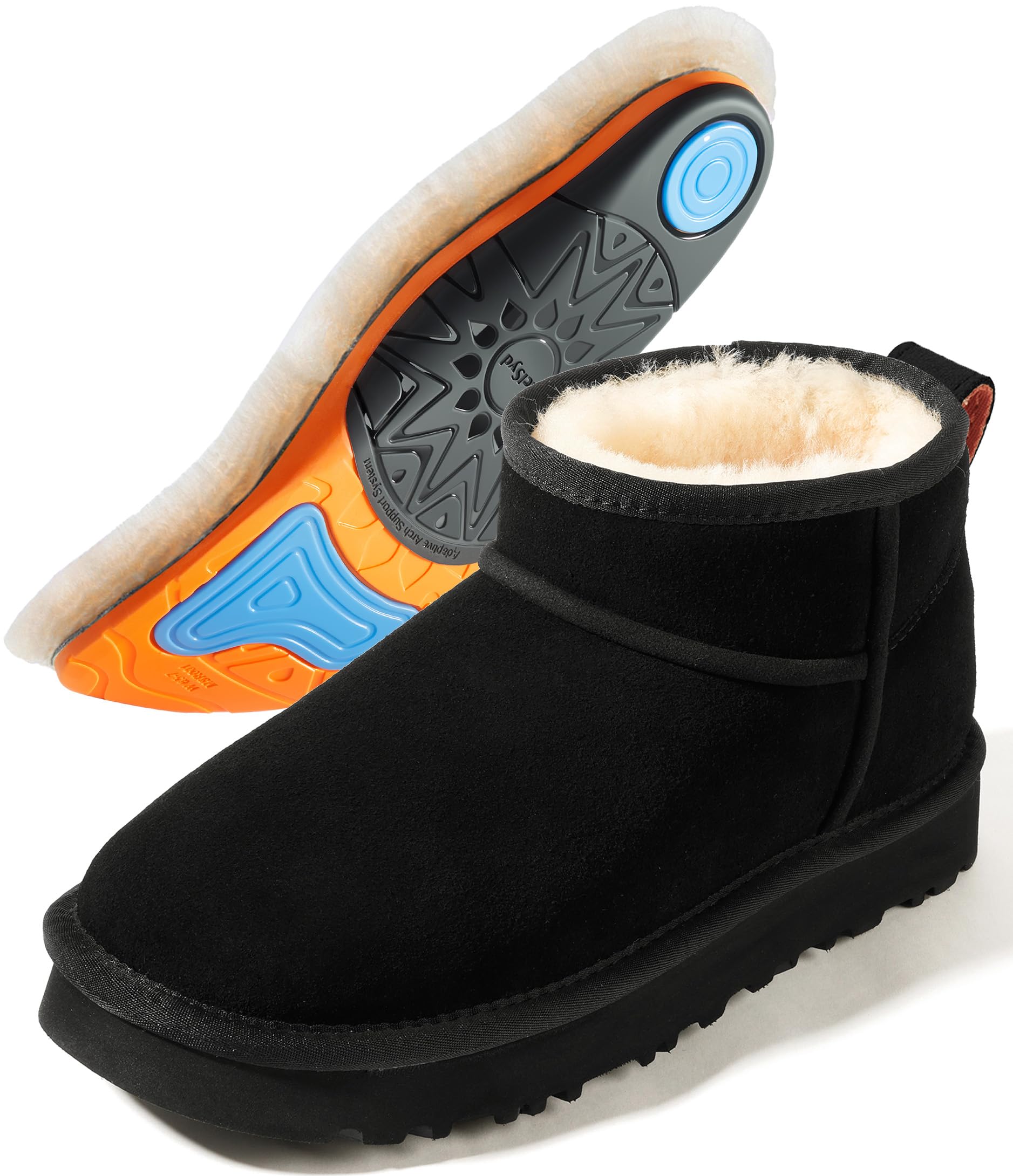


Who Should Buy Australian Ugg Boots?
Your daily routine decides which tier and height make sense. A boot for school runs in slush needs a different sole than one worn on carpet at home. Readers comparing the wider category can also see our guide to the best ugg boots for styles beyond Australian made pairs.
Home Comfort Seekers Who Wear Boots Indoors All Day
You want warmth without overheating, and you slip your boots on and off many times a day. Genuine sheepskin suits you because the fleece moves moisture away from skin and feels warm without socks. A mini or short height in the budget or midrange tier covers indoor wear well.
Cold Weather Commuters Who Walk on Wet Pavement
You walk to a bus stop, a train platform or a school gate on cold mornings, so grip and water resistance matter as much as warmth. Choose a rubber outsole with real tread, a pretreated upper and a taller shaft to keep slush off your ankles. Smooth budget soles feel fine at home but unsure on wet stone.
Buyers Who Want an Authentic Australian Made Pair
You care where the boot was made and what the hide actually is. Look for a label that states Australian manufacture and twinface sheepskin, and check those claims on the maker site. For broader local footwear context, see our guide to the best australian boots alongside this one.
Australian Ugg Boot Prices: What Each Spending Level Buys in Sheepskin Quality
When you shop for best australian ugg boots, the sticker price mostly reflects sheepskin quality, sole construction and where the boot was made. The tiers below describe types on sale now, not named models, so you can judge any listing against them.
Budget Tier for Light Indoor Use: About $60 to $100
At this level you get a thinner lining, a sheepskin blend or synthetic fleece, and a light foam sole shaped for floors rather than streets. Stitching is simpler and size choice is narrower. Expect the lining to pack down within one or two winters of daily use.
Midrange Tier for Daily Winter Wear: About $100 to $180
This tier usually buys genuine twinface sheepskin, a denser fleece and stronger stitching around the sole. Many pairs add a rubber outsole, a cushioned insole and a pretreated finish that shrugs off light rain. For most buyers wearing boots several days a week, warmth, grip and lifespan balance best against price here.
Premium Tier for Finest Sheepskin and Longest Wear: About $180 to $280
Premium pairs use the densest twinface hides, careful finishing and often Australian manufacture with replaceable insoles. Soles tend to be thicker rubber with deeper tread, and shafts hold their shape at the ankle. Worn daily across three winters, a premium pair can cost less per season than replacing a budget pair each year.
Key Features to Compare
Compare these factors in order, so a low price cannot hide thin fleece or the wrong sole.
Genuine Twinface Sheepskin Versus Blended and Synthetic Linings
Twinface means the fleece and the outer hide are one single piece, so the lining cannot peel away and air moves through the hide. Genuine sheepskin stays breathable in a way sealed synthetic fleece is not, because trapped heat and moisture can escape. Blends feel warm at first but often pack flat and hold odor sooner. If you run warm, pay for real twinface first.
Fit, Sizing and Room in the Toe Box
Measure your foot in the afternoon, when it is at its largest, and stand while you measure. A new pair should feel snug all over, because the fleece compresses as it molds to your foot. Your toes should still wiggle freely in the toe box, and your heel may lift a little as you walk. Most styles come in whole sizes only, so if you fall between sizes, decide by sock thickness.
Outsole Grip, Cushioning and Stability
A light foam outsole feels soft and quiet indoors but offers little tread outdoors. A rubber outsole with molded lugs grips wet pavement better and wears more slowly. Cushioning comes mostly from fleece and insole, so a very soft sole can feel plush yet give modest stability on uneven ground. Match the sole to the surface you cross most.
Boot Height and Shaft Warmth
Mini heights sit at about 4 to 5 inches and suit indoor wear and mild days, because they pull on fast. Short heights at about 8 to 9 inches cover the ankle fully and fit most daily winter use. Tall heights at about 12 inches add warmth up the calf and keep deep slush out. Choose the lowest height that covers your coldest walk.
Water Resistance and Pretreated Finishes
Plain sheepskin absorbs water, so an untreated boot marks easily in rain. A pretreated finish repels light rain and splashes. It does not turn the boot into a snow boot, and deep slush will still soak through seams. Pay for pretreatment if you walk outdoors daily, and skip it for a pair that will live indoors.
Costs After the Purchase: Cleaning Kits, Replacement Insoles and Resoling
The ticket price is only part of what a pair costs you. Protector spray and sheepskin cleaner usually run about $10 to $20 each, and one bottle of each can last a season or longer. Replacement insoles cost about $20 to $30 and can refresh a pair with packed heel fleece.
Most soles cannot be replaced, so a worn smooth sole usually ends the life of the pair. Warranties vary by maker and often cover stitching faults rather than wear.
Common Mistakes to Avoid
These errors are easy to make on a first pair.
- Ordering a size larger because the new lining feels snug leaves the boot loose once the fleece compresses.
- Wearing untreated sheepskin in deep slush leaves stiff salt marks that brushing cannot fully remove.
- Choosing a smooth indoor sole for icy pavement makes every step cautious and raises the risk of a fall.
- Drying wet boots beside a heater cracks the sheepskin and can shrink one boot more than the other.
- Storing boots crushed under heavy shoes all summer creases and weakens the shaft.
Care and Maintenance for Australian Ugg Boots
Brush the nap with a suede brush once boots are fully dry, working in one direction to lift dust. Spot clean marks with a cleaner made for sheepskin, using little water and a soft cloth. For product choices and safe dilution steps, see our guide to the best cleaner for ugg boots. Let a cleaned pair dry at room temperature, stuffed with plain paper to hold its shape.
Spray a new pair before the first outdoor wear and again after each deep clean. For coverage timing and drying steps, see our guide to the best spray for ugg boots. Store boots upright in a cool dry place out of direct sun, and swap in a fresh insole when the heel fleece feels thin.
FAQs
Do Australian ugg boots need waterproofing for winter wear?
No, Australian ugg boots do not need full waterproofing for normal winter wear, and no spray makes sheepskin fully waterproof. For road salt, wipe marks the same day, because salt dries the hide fast. A cloth dampened with equal parts water and white vinegar can lift a fresh salt line before it sets.
How long is the softening period for Australian ugg boots?
The softening period for Australian ugg boots usually lasts about one to two weeks of regular wear. Wear a new pair indoors for the first few evenings, so the fleece molds without street dirt grinding into it. A hot spot on the heel means the size is wrong, not that the boot needs more time.
Are expensive Australian ugg boots worth the extra cost?
Yes, expensive Australian ugg boots are worth the extra cost if you wear them most days each winter. A premium pair worn on about 100 days a season for three seasons can cost less than a dollar a day. Worn only on a few cold weekends, a midrange pair returns more value.
Can you wear Australian ugg boots all day on hard floors?
You can wear Australian ugg boots all day, but the soft sole gives modest arch support on hard floors. If you stand on tile or concrete at work, swap in a firmer replacement insole on work days. Alternate pairs on consecutive days when you can, because a rest day lets the fleece dry fully between wears.
How should Australian ugg boots fit when they are new?
Australian ugg boots should fit snugly when new, with toes held without pinching. Test both feet on carpet and walk a few stairs if you can, since a small heel lift grows on slopes. Feet differ in length, so fit the larger foot and add a thin insole to the smaller boot if it slips.
Our Verdict
Start with the surface you walk on, then judge sheepskin quality and fit inside your tier. Twinface fleece, tread that matches your streets and a snug new fit matter more than color trends. Use the product table above to check each listing against the tier guide before you buy.
Choose the best australian ugg boots for your coldest regular walk, care for the hide from the first wear, and one good pair will serve you through several winters.


