
Best Au Gratin Pans: A Complete Buying Guide for Home Cooks
Disclosure: We may earn a commission when you buy through links on this page, at no extra cost to you. As an Amazon Associate I earn from qualifying purchases. Learn more
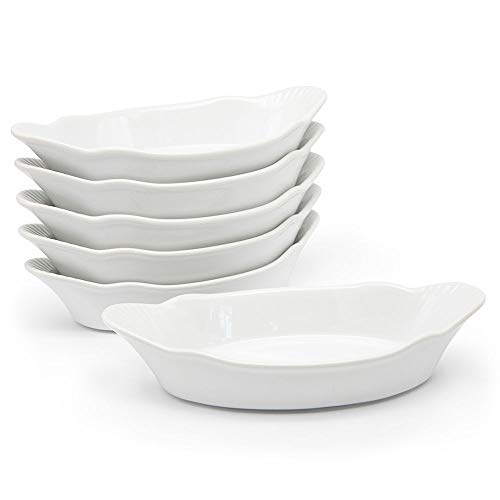
Nothing ruins a gratin faster than a dish that cracks under broiler heat or one that traps steam instead of letting the top turn golden and crisp. If you have ever pulled a cheesy potato gratin out of the oven with a scorched dish or a soggy, pale crust, the pan is usually the problem, not the recipe. The best au gratin pans are shallow, wide, and built from a material that can handle direct heat without warping or shattering. This guide walks through what separates a pan that browns evenly and survives years of broiler use from one that fails on the first try, plus how to size it correctly and avoid the mistakes that crack cookware before its time.
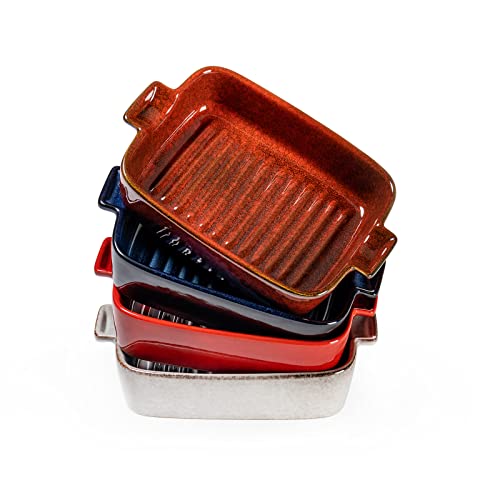
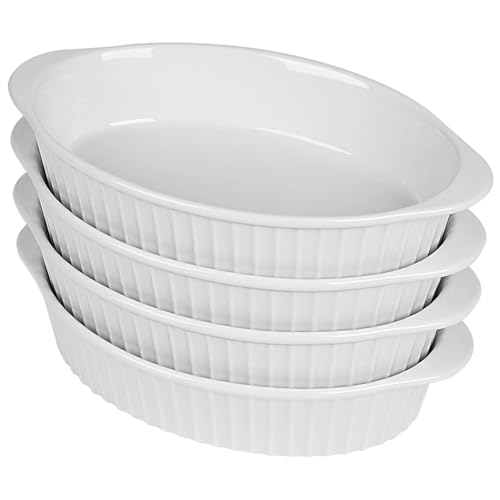
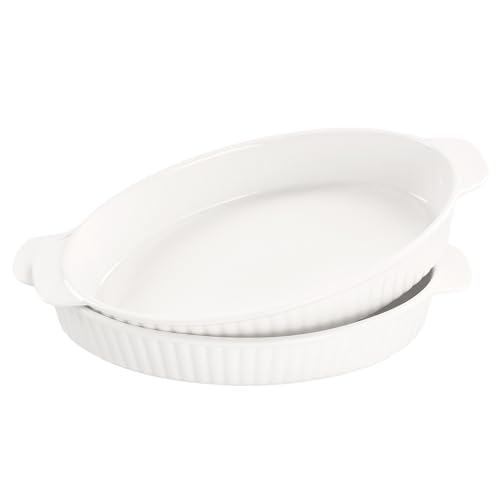
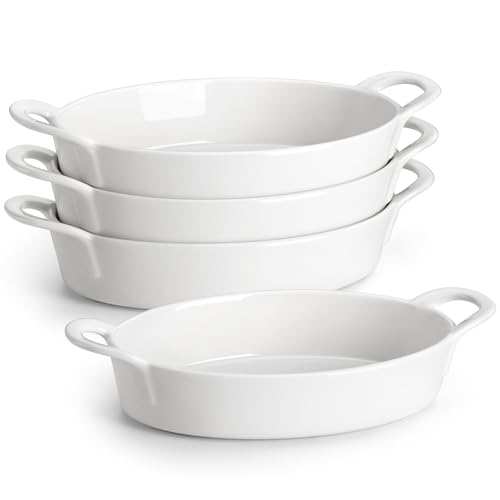
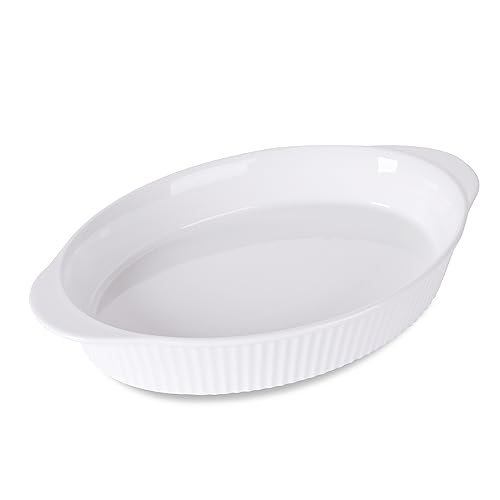
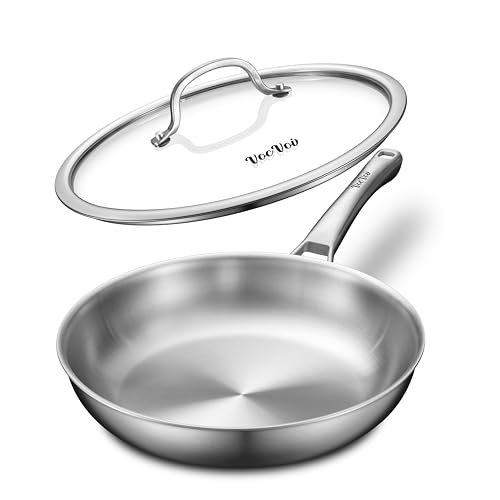
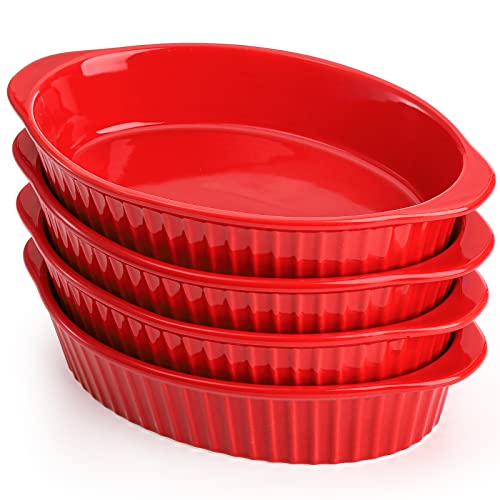
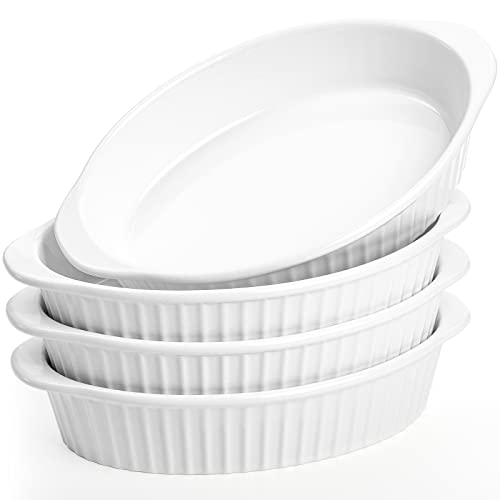
What Makes an Au Gratin Pan Actually Work
Material and How It Handles the Broiler
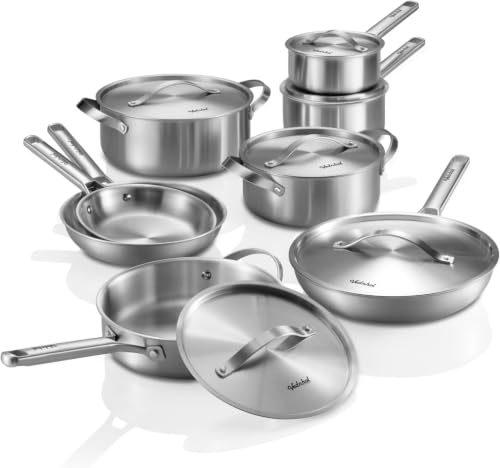
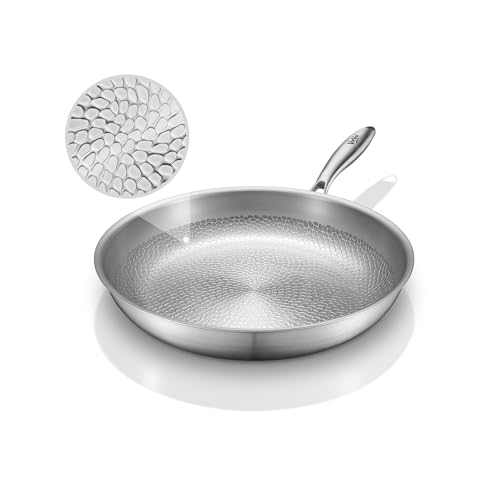
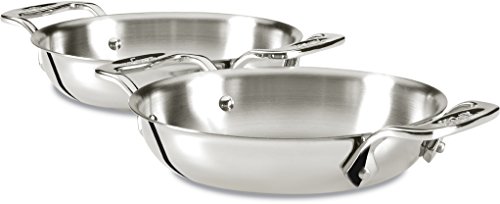
The material determines whether a pan survives your oven or fails on the first broil. Enameled cast iron holds heat evenly and shrugs off the intense, direct heat of a broiler, which makes it one of the most forgiving choices for a pan you plan to use often. If you already cook with cast iron cookware on the stovetop, an enameled au gratin pan fits right into that same routine. Stainless steel heats up fast, resists staining, and handles a broiler without hesitation, much like a good stainless steel cookware set performs on the stovetop, though it does not hold warmth at the table quite as long. Stoneware and ceramic look the part and go straight from oven to table beautifully, but only the pieces rated specifically for broiler use should ever sit that close to the heating element; a standard stoneware baking dish can crack under sudden, concentrated heat.
Shape and Surface Area for a Crisp Top
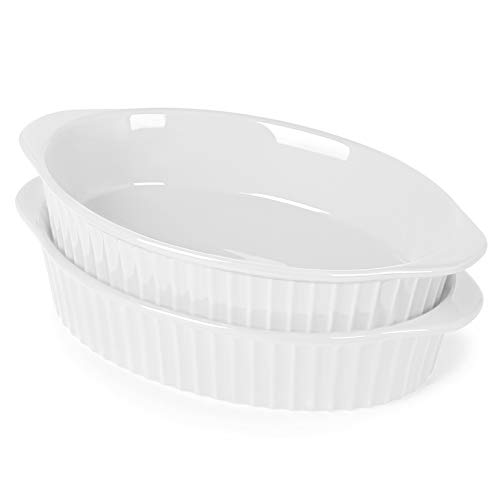
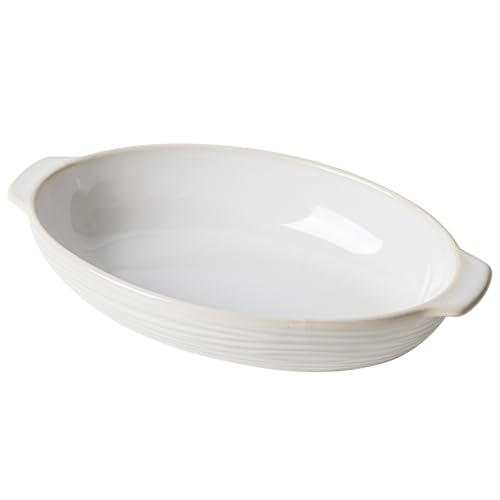
A gratin lives or dies by its top layer, and shape is what makes that top layer possible. The best au gratin pans are shallow, wide, and usually oval, spreading the ingredients into a thin layer instead of a tall stack. That wide surface area means more of the dish sits close to the broiler element, so the top browns and bubbles before the inside overcooks. A deep, narrow dish does the opposite: the center stays pale and steamy while the edges scorch. When you are comparing pans, picture how the food will actually spread across the bottom rather than just checking the listed capacity.
Handles Built for Oven-to-Table Serving
Most au gratin pans are meant to travel straight from a hot oven to the dinner table, so the handles matter more than they would on cookware that stays in the kitchen. Look for handles that stay cool enough to grip with a folded towel and that are wide enough for a secure hold, since a heavy, bubbling dish is not something you want slipping. Riveted or cast handles tend to hold up better over time than thin, stamped ones that can loosen with repeated heating and cooling.
Non-Reactive Surfaces for Acidic Ingredients
Plenty of gratin recipes lean on tomatoes, wine, or a splash of vinegar, and those ingredients react with bare metal, picking up a metallic taste and dulling the finish over time. Stainless steel, enameled cast iron, and glazed ceramic are all non-reactive, so acidic sauces will not pit the surface or change the flavor of the dish. This is one of the best au gratin pans features to check before buying if you tend to cook tomato-based or wine-finished gratins regularly, since a reactive surface will show wear far sooner than the pan's warranty suggests.
Picking the Right Size for How You Cook
Individual Portions vs Family-Style Servings
Au gratin pans span a wide range, from small single-serving dishes around a pint in capacity up to family-size pans that hold close to a gallon. Individual pans work well for restaurant-style presentation, portion control, or weeknight sides where everyone gets their own crisp edge. A family-size pan is the better call for potato gratins, baked pastas, or vegetable bakes meant to be scooped and shared, since it gives you more of that coveted browned surface per serving. If you cook for one or two people most nights but host occasionally, a couple of individual pans plus one mid-size option covers more situations than a single large pan sitting unused most of the year.
Matching Capacity to Your Recipe
Capacity alone does not tell the whole story, because a shallow, wide pan and a deeper one can hold the same volume while behaving completely differently in the oven. For a classic potato gratin, aim for a pan where the layered vegetables sit no more than two inches deep, so the heat reaches the center before the top burns. If a recipe calls for a specific dish size and yours runs smaller, spread the mixture thinner across a wider pan rather than piling it higher in a smaller one; that keeps cooking time and browning close to what the recipe expects.
Mistakes That Crack or Ruin an Au Gratin Pan
Thermal Shock From Fast Temperature Changes
The most common way an au gratin pan fails has nothing to do with cooking and everything to do with temperature swings. Pulling a dish straight from the refrigerator into a hot oven, or setting a hot pan on a cold, wet countertop, can crack ceramic and stoneware almost instantly. Let a chilled dish sit at room temperature for a while before it goes in the oven, and set a hot pan on a towel or wooden board rather than directly on stone or a wet sink.
Using the Wrong Material Under the Broiler
Not every pan that looks broiler-ready actually is. Nonstick coatings break down under the broiler's direct heat, and plenty of decorative ceramic pieces are rated for baking but not for sitting a few inches from an open flame. Check the manufacturer's temperature rating before you broil anything, and when in doubt, finish the browning with a slightly lower rack position and a couple of extra minutes rather than risking a coating or a cracked dish.
Metal Utensils and Abrasive Cleaning
Scraping a ceramic or enameled surface with a metal spoon or steel wool wears down the glaze faster than normal cooking ever will, and that worn glaze is what eventually lets moisture seep in and cause cracks. Use silicone or wooden utensils, and soak a pan with baked-on cheese instead of scrubbing it while it is still hot. If you also keep a set of nonstick cookware in rotation, remember that those same gentle-utensil habits protect coated pans just as much as they protect a gratin dish's glaze.
Au Gratin Pans vs Standard Casserole Dishes
It is easy to lump every oven-to-table dish into one category, but an au gratin pan and a standard casserole dish are built for different jobs. A casserole dish is deeper, often with straighter sides, and it is meant to hold a thick, layered dish that needs time to cook through evenly, like a baked pasta or a bean bake. An au gratin pan is shallow and wide on purpose, trading depth for surface area so more of the dish sits close to the broiler and develops that golden, slightly crisp top.
You can use a casserole dish for a gratin in a pinch, but the results usually come out softer on top since less surface area is exposed to direct heat. Likewise, a shallow au gratin pan struggles with anything that needs to hold a tall, saucy layer, since it is more likely to bubble over the sides. If your kitchen already leans on a covered cookware set for weeknight casseroles, think of an au gratin pan as the specialized piece you add specifically for dishes that need a browned, crisp finish rather than a replacement for that everyday cookware.
Frequently Asked Questions
Can you broil in a ceramic au gratin dish?
Only if the manufacturer specifically rates it for broiler use. Standard ceramic and stoneware can crack under the sudden, concentrated heat of a broiler element, while pieces built and glazed for that purpose handle it fine. Check the care instructions before assuming any ceramic dish can go under the broiler.
What is the difference between an au gratin dish and a casserole dish?
An au gratin dish is shallow and wide, built to maximize the browned surface on top. A casserole dish is deeper with straighter sides, made to hold layered dishes that need to cook through evenly rather than crisp up quickly.
What size au gratin pan should you buy?
For everyday sides and small households, a pan in the one to two quart range covers most recipes. Families or anyone who cooks for a crowd regularly will get more use out of a three to four quart pan, or a couple of individual-size pans for portioned servings.
Is stainless steel or ceramic better for an au gratin pan?
Stainless steel heats faster and is more forgiving of temperature swings, while ceramic holds heat longer at the table and often looks better for serving straight from the oven. Neither is objectively better; the right pick depends on whether you prioritize durability or presentation.
Can a cold au gratin dish go straight into a hot oven?
With ceramic, stoneware, or glass, no. Let the dish come closer to room temperature first, since the sudden jump from cold to hot is what causes most cracks. Enameled cast iron and stainless steel tolerate temperature swings much better.
Are au gratin pans safe to bring straight to the table?
Yes, that is part of their design. Just use trivets or heat-safe mats to protect your table, and keep in mind the pan will stay hot for a while after it comes out of the oven, especially if it is cast iron.
Choosing the Pan That Fits Your Kitchen
The right au gratin pan comes down to matching material and shape to how you actually cook. If you broil often or want one pan that handles almost anything, enameled cast iron or stainless steel will serve you longest. If presentation matters more and you are comfortable following the manufacturer's temperature guidance, a broiler-rated ceramic piece can be worth the tradeoff. Whichever material you choose, pay attention to size before shape and color, since a pan that is too deep or too small will fight against the very browning you bought it for. Get those basics right and a good au gratin pan will earn its spot in the rotation for years.