
Best athletic shirts 2026
Disclosure: We may earn a commission when you buy through links on this page, at no extra cost to you. As an Amazon Associate I earn from qualifying purchases. Learn more

Find an athletic shirt that stays cool, dry, and comfortable through training. Compare fabrics, fit, and durability for running, gym, and team sports.
A good athletic shirt disappears during training: it wicks sweat, moves with you, and does not chafe. This guide to the best athletic shirts compares fabrics, fit, and durability across running, gym, and team sports. The right shirt depends on your sport, climate, and how hard you train.
Start with your main activity and climate. Running in heat needs light, breathable fabric, while gym training needs stretch and durability for varied movements. A shirt that works for a cool morning run may feel heavy and damp during a humid evening workout.


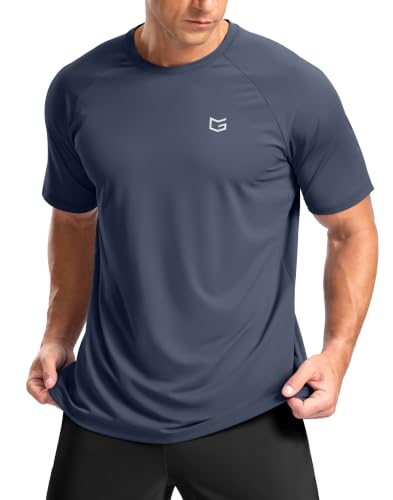

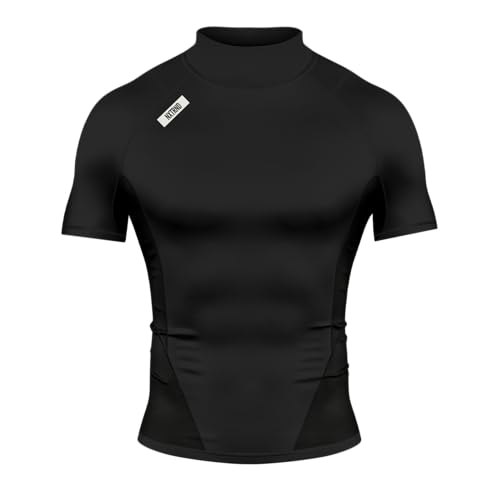
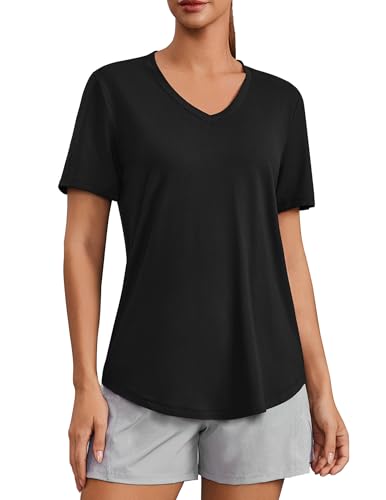
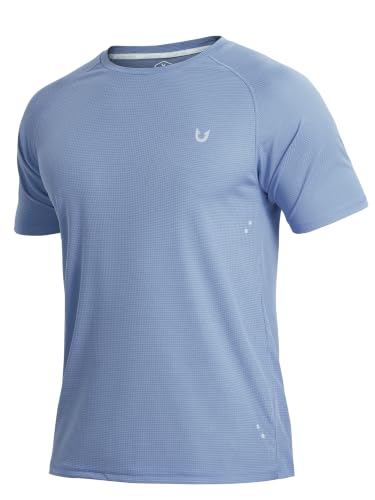
Who Should Invest in Athletic Shirts
Athletic shirts suit anyone who trains regularly and finds cotton shirts heavy when sweaty. Runners, gym goers, and team sport players benefit most, since moisture management and freedom of movement affect comfort and performance. They also suit outdoor workers and hikers who need quick drying layers.
Casual wearers who mainly want comfort may prefer a cotton blend, which feels softer but dries slowly. Athletic fabrics prioritize performance over softness, so choose based on how you will actually use the shirt, not just how it feels on a hanger. For more on kit beyond shirts, see our guide to the best athletic clothes.
Fabrics: Polyester, Blends, and Merino
Polyester is the workhorse of athletic shirts: light, quick drying, and durable, though it can retain odor without treatment. Polyester blends with elastane add stretch for gym and dynamic movements. Look for moisture wicking finishes and mesh panels in high sweat areas.
Merino wool offers natural odor resistance and temperature regulation, suiting cooler training and multi day use. It costs more and needs gentler care than polyester. For hot, humid training, light polyester usually outperforms merino on drying speed and weight.
Fit: Slim, Regular, and Sport Specific
Fit should allow full movement without excess fabric flapping or riding up. Running shirts are often slimmer to reduce drag and chafing, while gym shirts may be looser for varied lifts. Team sport shirts balance fit with league or club requirements, if any apply.
Try shirts in your training movements, not just standing still. Raise your arms, twist, and simulate your sport before deciding. A shirt that feels fine standing can bind at the shoulders during overhead work or ride up during running.
Durability, Care, and Odor Control
Durability depends on fabric weight, stitching, and care. Lightweight race shirts wear faster than heavier training shirts, especially with frequent washing. Reinforced seams and flatlock stitching reduce chafing and extend life.
Wash athletic shirts promptly after training, avoid fabric softener, and air dry when possible to preserve wicking finishes. Odor treatments help, but washing habits matter more. If a shirt retains odor despite washing, a sports wash or vinegar rinse can help before replacing it.
Choosing by Sport and Season
For running, prioritize light weight, breathability, and reflective details for low light safety. For gym training, prioritize stretch, durability, and a fit that stays put during lifts. For team sports, prioritize team colors, durability, and easy care for frequent washing.
Season matters too. Summer shirts should be light and ventilated, while winter training needs layering: a moisture wicking base plus an insulating layer. A single shirt rarely suits all seasons, so building a small rotation for hot and cold conditions works better.
Quick Checks Before You Order
Check seams first: flat seams reduce chafing on long runs or under a pack, while standard seams are fine for most gym work. Match fabric weight to your climate, with ultralight shirts for hot, humid days and midweight shirts for cooler training.
For outdoor sessions, look for ventilation and, if you are in strong sun, a fabric that states a sun protection rating, though sunscreen is still wise. Reflective details help you stay visible at dawn and dusk. If you play organized sport, check team colors and logo rules before you buy.
Try a new shirt through a full session before buying several in the same style, since fabric that feels fine dry can feel heavy when sweaty. Build a small rotation of three to five shirts so each one dries between sessions, and retire shirts when the fabric thins or wicking fades.
Frequently Asked Questions
Why do athletic shirts beat cotton for training?
Athletic fabrics wick sweat away and dry faster, so they stay lighter and reduce chafing during training. Cotton absorbs sweat, becomes heavy, and stays damp, which can chill you after exercise. For short, light activity cotton is fine, but for sustained training athletic fabrics are more comfortable.
How should an athletic shirt fit?
It should allow full movement without binding or excess flapping. Slim fits suit running, while regular fits suit gym and team sports. Test the shirt in your sport movements, since standing fit alone can mislead. The hem should stay put during activity without needing constant adjustment.
How do I stop athletic shirts smelling?
Wash promptly after training, skip fabric softener, and air dry when possible. Sports detergents and occasional vinegar rinses help with persistent odor. Storing damp shirts in a bag encourages odor, so air them out first if you cannot wash immediately.
Is merino worth it for athletic shirts?
Merino suits cooler training, travel, and multi day use because it resists odor and regulates temperature well. It costs more and needs gentler care than polyester. For hot, humid training, light polyester usually dries faster and costs less.
How many athletic shirts do I need?
A rotation of three to five shirts suits most regular trainers, allowing washing and drying between sessions. Heavy daily trainers may need more, while occasional trainers need fewer. A small rotation also lets you keep separate shirts for running, gym, and team sports.
Final Thoughts
The best athletic shirt for you matches your sport, climate, and training intensity, with fabric and fit that stay comfortable from warm up to cool down. Use the product table above to compare shirt types, then test fit in real movements.
Prioritize moisture management and freedom of movement over brand or style. A shirt chosen that way becomes a training staple you reach for without thinking. In short, choosing the right best athletic shirts comes down to matching the guidance above to your own needs and routine.


