
Best Athletic Sets 2026: How to Choose the Right Match
Disclosure: We may earn a commission when you buy through links on this page, at no extra cost to you. As an Amazon Associate I earn from qualifying purchases. Learn more
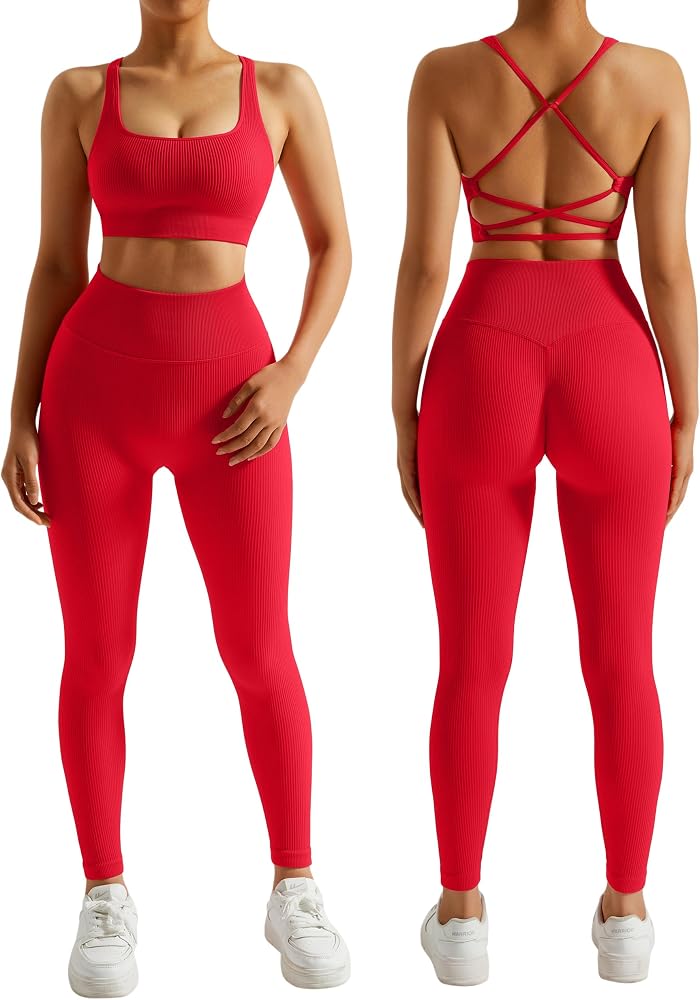
Learn how to choose athletic sets for training, comfort, and durability, with advice on fit, fabric, layering, and washing so your kit lasts longer.
Best athletic sets give you a matched top and bottom designed to move together, which removes the guesswork of pairing separates before a workout. The product table below lists matching sets from several makers, from light running kits to warm training sets for outdoor sessions.
A good set should feel invisible during exercise: no riding waistband, no chafing seams, and no fabric that turns heavy with sweat. This guide covers fit, fabric, layering, and care, so you can pick a set that suits your sport, your climate, and your budget.
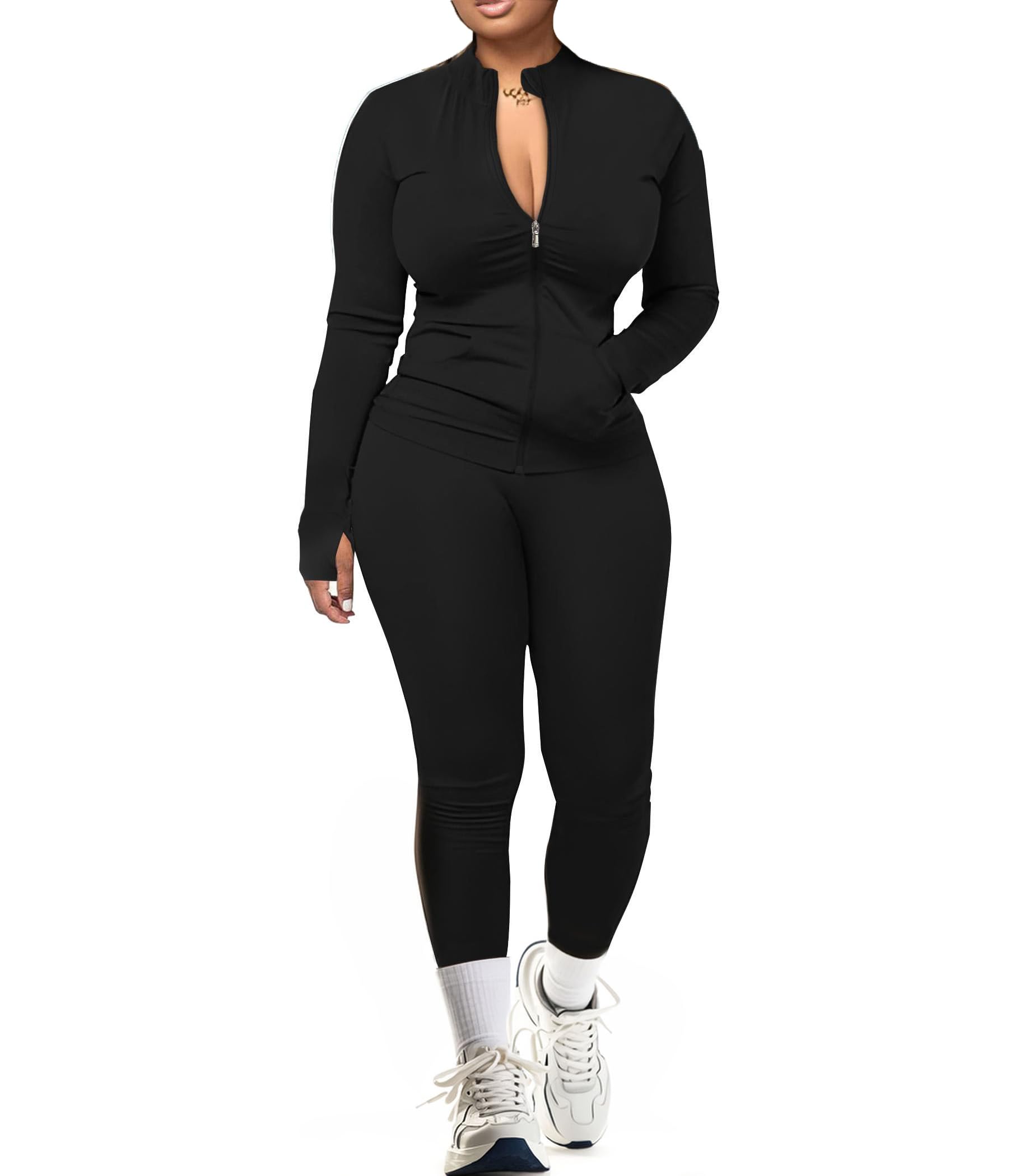


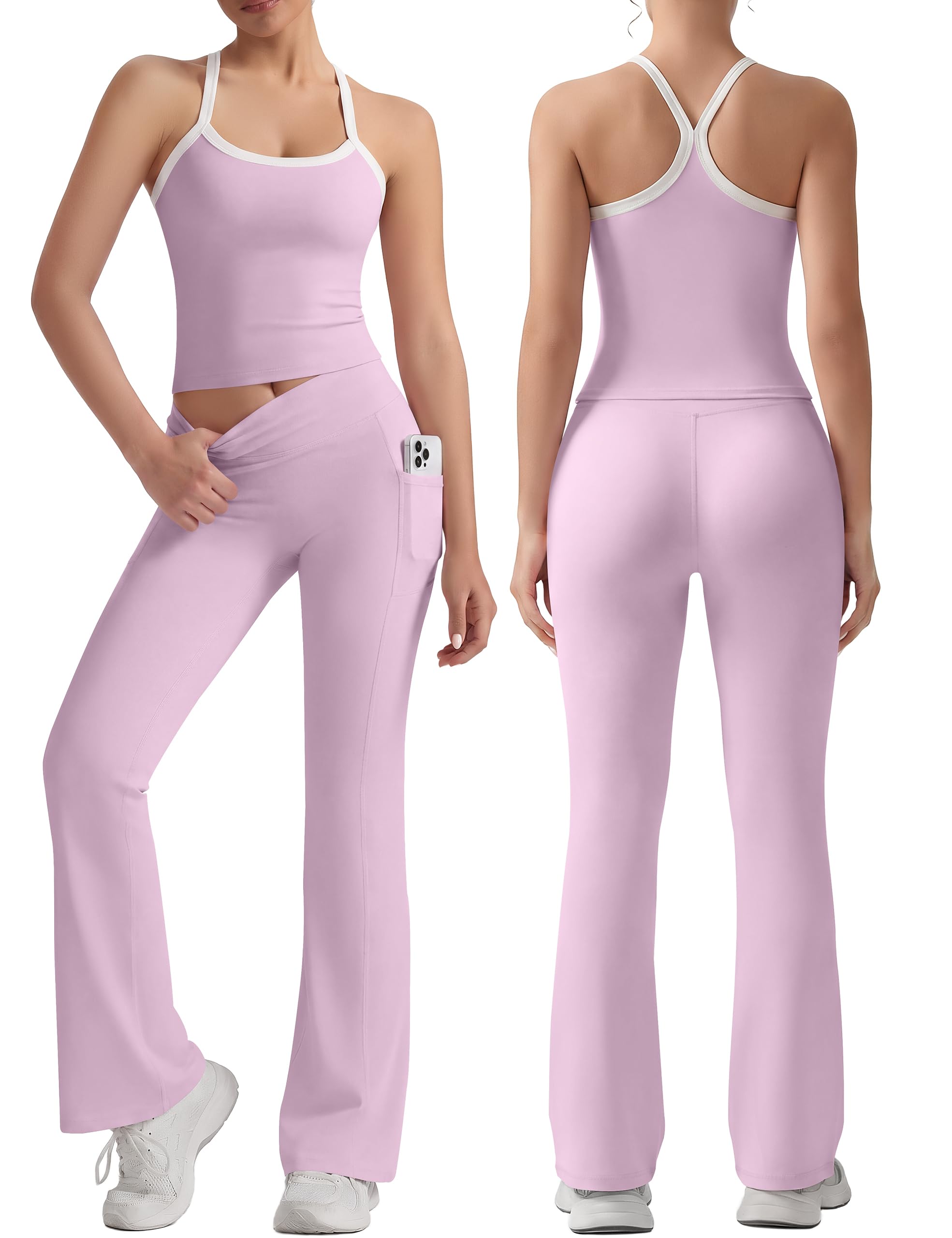


Who Should Buy an Athletic Set
People who train several times a week benefit most, because a matched set saves time and keeps the fit consistent across sessions. Runners, gym goers, and team sport players all gain from tops and bottoms cut for movement rather than fashion alone.
Casual exercisers also enjoy sets for weekend walks, home workouts, and travel, where comfort matters more than performance details. If you only train occasionally, a simple versatile set may serve you better than a highly specialized kit built for one sport.
Fit and Freedom of Movement
The top should allow full arm reach without riding up, and the bottom should stay in place through squats, lunges, and sprints. Four way stretch fabric helps here, because it moves with the body in every direction instead of pulling across the shoulders or hips.
Check the waistband first, since a wide flat band with a drawcord stays comfortable longer than a narrow elastic edge. Leg length matters too: full length bottoms suit cold gyms and outdoor training, while shorts or cropped styles keep you cooler during intense sessions.
Fabric, Sweat and Comfort
Moisture wicking synthetics pull sweat away from the skin and dry quickly, which keeps you cooler during hard workouts. Natural blends feel softer and breathe well, but they may stay damp longer, so they suit low intensity sessions better than long runs.
Flatlock seams reduce rubbing during repetitive movement, and mesh panels under the arms or behind the knees add airflow where heat builds up. If you have sensitive skin, feel the inside seams before buying, and wash the set once before the first hard session to check for irritation.
Durability and Everyday Value
Reinforced stitching at the waistband, crotch, and underarms extends the life of a set that gets washed weekly. Darker colors hide sweat marks and wear better, while light colors show stains faster but stay cooler in strong sun.
Price alone does not predict durability, so read the fabric composition and check for pilling after a few washes. A mid priced set with strong seams often outlasts a cheap set that loses shape quickly, making it better value over a full season.
Washing and Long Term Care
Wash sets in cold water and skip fabric softener, which coats wicking fibers and reduces their ability to move sweat. Turn the set inside out, fasten any drawcords, and air dry when possible to protect elasticity and printed details.
Rotate two sets if you train often, so each one dries fully and recovers its stretch between sessions. Replace a set when the waistband stays stretched, the fabric pills heavily, or seams start to split, since worn kit can chafe and distract during training.
Choosing Sets for Different Workouts
Running sets need light breathable fabric and minimal seams, since repetitive motion over miles exposes every rubbing point. Look for mesh ventilation and reflective details for road running, plus a secure pocket for a phone or key during longer efforts.
Strength training sets need stretch and durability around the hips and shoulders, where squats and presses stress fabric most. Reinforced stitching and four way stretch prevent tears and restriction, while a slightly looser top allows full overhead range without riding up.
Yoga and studio sets prioritize softness and coverage during bends and inversions, so choose opaque fabric that stays put in forward folds. A high waistband and a longer top prevent exposure during poses, which helps you focus on movement rather than adjusting clothing.
Color, Style and Confidence
Color choice affects more than looks, since dark colors hide sweat marks and suit intense sessions, while bright colors improve visibility for outdoor evening training. Choose colors you enjoy wearing, because confidence in your kit encourages consistency in training.
Patterns and prints can motivate some athletes and distract others, so pick a style that matches your personality and gym culture. A set you feel good in gets worn more often, which matters more than any technical fabric claim for building a lasting habit.
Consider versatility beyond the gym too, since many modern sets double as travel and lounging wear. A neutral set that works for errands after training saves a change of clothes and makes active days simpler overall.
Building a Rotation That Lasts
Two or three sets in rotation outperform a single premium set, since each one dries fully and recovers stretch between sessions. Rotation also reduces wash frequency per set, which slows fading, pilling, and elastic fatigue over months of use.
Wash sets promptly after sweaty sessions rather than leaving them balled up in a gym bag, since dried sweat and bacteria break down fibers and cause lasting odor. Cold washes and air drying protect elasticity far better than hot dryers, which age elastic quickly.
Inspect waistbands, seams, and fabric thin spots every few months, retiring worn sets to lounging duty before they fail mid workout. Replacing gradually spreads cost and keeps your training wardrobe reliable without a sudden large expense.
Sets for Travel and Commuting
Travel sets need wrinkle resistance, quick drying fabric, and a tidy look that works from airport to hotel gym without a change. Dark neutral colors hide travel stains, while a zip pocket keeps passport and phone secure during transit.
Commuters who cycle or walk to work benefit from breathable sets that layer under a jacket and dry quickly at the office. A set that doubles as workout kit after work saves carrying a second outfit in an already full bag.
Pack sets rolled rather than folded to save space and reduce creases, and choose fabrics that shake out fresh after hours in luggage. A travel set you can wash in a hotel sink and dry overnight proves its worth on every trip.
Fabric Technology Explained Simply
Moisture wicking works through capillary action in specially shaped fibers, pulling sweat from skin to fabric surface where it evaporates. This process keeps you drier than cotton, which absorbs sweat and holds it against the skin.
Four way stretch comes from elastane blended with polyester or nylon, letting fabric extend in all directions and snap back without bagging. Higher elastane content means more stretch and compression, while lower content feels looser and more relaxed.
Anti odor treatments use silver ions or similar finishes to slow bacterial growth, though they fade with washing over time. Proper washing and drying matter more than any finish for long term freshness, so do not rely on treatments alone.
Matching Sets to Body Types
Taller athletes need longer tops and inseams to avoid riding up during overhead movements and deep squats. Check size charts for tall options rather than simply sizing up, since larger sizes add width without enough length.
Shorter athletes should watch leg length and top length equally, since excess fabric bunches at ankles and waists during exercise. Cropped styles and petite ranges solve this better than rolling up standard lengths, which creates bulky seams.
Curvy and muscular builds benefit from stretch fabrics with wide waistbands that distribute pressure without digging in. Try sets while moving through squats and reaches, since standing fit alone hides restriction that appears during real workouts.
Frequently Asked Questions
What makes a good athletic set?
A good athletic set fits without restricting movement, wicks sweat away, and keeps its shape after repeated washing. Look for four way stretch, flat seams, and a waistband that stays put during squats and sprints. The top should allow full arm reach without riding up. Choose fabric weight for your climate and sport, and check the fit while moving, not just standing still.
Should tops and bottoms match exactly?
Matching tops and bottoms look tidy and guarantee compatible fit, but exact matching is not required for performance. Many athletes mix brands and colors to get the best fit for each half. What matters is that both pieces move well together and suit the same intensity level. A matched set simply removes the trial and error of pairing separates.
How do I choose the right size?
Measure your chest, waist, and hips, then compare with the maker size chart rather than assuming your usual size. Athletic cuts vary widely, with some brands fitting slim and others relaxed. If you fall between sizes, size up for comfort sports like yoga and down for compressive running kits. Try squats and arm reaches in the fitting room to test real movement.
Can I wear an athletic set all day?
Many athletic sets are comfortable enough for all day wear, especially softer blends made for travel and lounging. High compression kits may feel restrictive after several hours, so choose a relaxed fit for daily wear. Breathable fabric helps, but change out of sweaty kit after training to protect skin. Keep a fresh set for workouts and a separate one for casual wear if possible.
How often should I replace athletic sets?
Replace a set when the waistband loses elasticity, fabric pills heavily, seams split, or wicking stops working. With weekly washing, a well made set often lasts a year or more of regular training. Rotating two sets extends their life by letting each dry and recover fully. Wash cold and air dry to slow wear and keep colors fresh.
Final Thoughts
Pick best athletic sets by fit first, fabric second, and style third, since comfort during movement matters more than appearance. The product table above helps you compare styles, but trying the set through real exercises tells you more than any label. Choose the weight and cut that match your sport, and care for it well so it lasts the season.


