
Best Assault Boots: Types Compared and How to Choose
Disclosure: We may earn a commission when you buy through links on this page, at no extra cost to you. As an Amazon Associate I earn from qualifying purchases. Learn more

Compare assault boots by type, breathability, ankle support, and traction for duty, training, and trails. Find the best assault boots for your ground.
Assault boots promise speed like a trainer and support like a duty boot, yet the shelves hold tall waterproof pairs, airy desert pairs and low cut styles that feel like shoes. The best assault boots for you depend on climate, ground and hours on your feet. This guide compares each type plainly, so you can use the product table with a clear shortlist.
Start with your hardest regular day, not an easy one. Note the heat, the wet ground, the loads you carry and the hours you stand. Those facts point to the right shaft height, upper and outsole faster than any brand name.


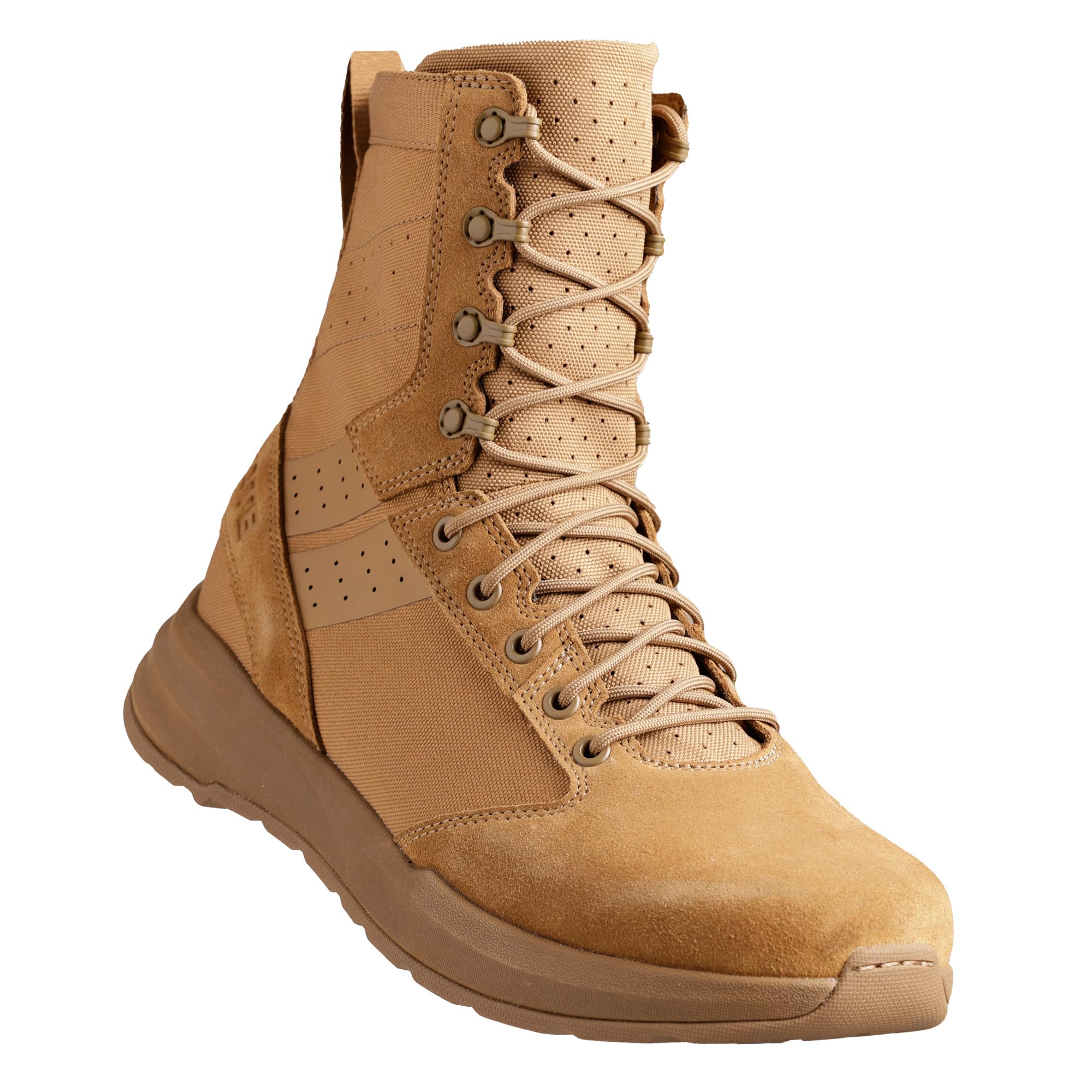

Who Should Buy Which Assault Boots?
Your role sets the load, the pace and the ground, and those three things decide which boot serves you well. Match yourself to one group below first.
Soldiers and Recruits Who Train and Ruck Often
You march with weight and spend long days on mixed ground. Choose an 8 inch shaft for ankle stability under a pack, a firm midsole and an upper that dries fast after wet grass. A roomy toe box matters here, because feet swell during a ruck and tight toes soon bruise.
Patrol Officers and Security Staff on Long Shifts
You stand on concrete, climb stairs and move quickly when a call comes in. Choose strong cushioning, a grippy outsole for smooth floors and a polish friendly toe if your uniform rules require a shine. A side zip speeds up gearing up, but laces give a closer fit.
Hikers and Outdoor Workers Who Move Fast on Trails
You want boot support without the slow feel of a heavy hiking boot. Choose a lighter pair with a lugged outsole, good breathability and enough ankle cover to guard against brush and loose stones. If your routes cross streams often, drainage matters more than a waterproof membrane.
Types of Assault Boots Compared
Four types cover most needs, and each trades weight, weather protection and support in a different way. The best assault boots in one climate can be the wrong boots in another.
Lightweight Hot Weather Assault Boots
These boots pair suede or synthetic panels with large mesh sections and drain ports near the sole. Air moves freely, water escapes quickly and the boot stays light on long hot marches. The trade off is plain: rain enters as easily as air, and thin mesh wears faster on rocks. Choose this type for desert and summer duty.
Waterproof Assault Boots for Wet Ground
A waterproof pair seals the upper with a waterproof membrane, so puddles, wet grass and light snow stay outside. Your feet stay dry on cold wet shifts, and the upper often uses fuller leather for protection. In return the boot breathes less and dries slowly once soaked inside. Choose this type where most days are damp.
High Shaft Assault Boots for Extra Ankle Support
An 8 inch shaft wraps the ankle and lower shin, which adds stability on uneven ground and under heavy loads. Padding at the collar softens contact, and firm lacing keeps the heel seated when you descend. These boots weigh more and feel stiff at first. Choose this type for rucking and rough terrain.
Low Cut Trainer Style Assault Boots for Speed
These sit at about 6 inches or lower and feel close to a sturdy trail shoe with a boot outsole. They are light, flexible and quick to run in, which suits training days and urban patrol. You give up ankle cover and some stability on loose slopes. Choose this type when speed matters more than pack support.
Breathable Assault Boots vs Waterproof Assault Boots: Which Should You Choose?
Compare the two on weather first. A breathable pair handles heat and full immersion best, because water drains out and the upper dries within hours. A waterproof pair handles cold rain and mud best, because the membrane blocks water before it reaches your socks.
Next compare comfort over time. Breathable boots stay cooler on long summer shifts but offer no shield in cold rain. Waterproof boots feel secure in bad weather but can feel clammy in mild heat. If your year splits evenly, owning one pair of each beats forcing one boot to do every job.
How to Choose the Best Assault Boots
Work through these factors in order, because fit and ground decide more than small style details. A boot that fails on traction or toe room will bother you daily.
Outsole, Stability and Cushioning in Assault Boots
The outsole is your contact with mud, wet stone, ladders and polished floors. Deep lugs grip soft ground but can skate on smooth wet tile, while flatter tread holds better indoors. A firm heel counter keeps your foot planted under weight. Cushioning softens concrete shifts, and a heel to toe drop of about 8 to 12 mm suits most walkers.
Waterproofing and Membranes in Assault Boots
A waterproof membrane blocks outside water while letting some sweat vapor escape, and sealed seams complete the barrier. This works well for rain and wet grass, but once water flows over the collar, the same barrier slows drying. If you mostly face sweat and heat, skip waterproofing and gain airflow instead.
Durability and Expected Lifespan of Assault Boots
Uppers of suede with woven nylon panels balance abrasion resistance with low weight, while full leather uppers resist scuffs longer but need more care. Strong stitching and a bonded or stitched sole extend service life. With regular duty use, a well made pair often lasts a year or more before the tread wears smooth.
Break In Time and First Shift Comfort for Assault Boots
Most assault boots feel softer than traditional leather duty boots, and many are wearable for a full shift within a few days. Stiff areas at the ankle collar still need time, so start with short walks, then a half shift, then full days. Wear your duty socks during this period. Blisters usually signal a heel slip problem, not a need for more time.
Fit, Sizing and Toe Box in Assault Boots
Measure both feet late in the day, when they are at their largest, and size to the longer foot. You want about a thumbs width of space ahead of your toes, a heel that stays seated on stairs and a toe box wide enough for your toes to spread under load. If you sit between sizes, choose the larger size.
Common Mistakes to Avoid
- Buying a waterproof pair for a hot dry post leaves your feet hot and sweaty on every shift.
- Choosing a low cut pair for heavy rucking removes ankle support when your legs tire most.
- Sizing to a snug morning fit causes bruised toes once your feet swell during long miles.
- Ignoring outsole tread for your main surface leads to slips on wet tile or packed mud.
- Wearing a brand new pair on a long march without break in invites blisters and hot spots.
- Judging by weight alone can leave you with thin mesh that tears early on rocks.
Care and Maintenance Tips for Assault Boots
Brush off dried mud after each use and loosen the laces so air can reach the insole. Stuff wet boots with plain paper and air dry them away from direct heat, because strong heat cracks leather and weakens glue at the sole. Rotate two pairs on daily duty if you can.
Wash textile panels with mild soap and cool water, rinse well and dry in shade. Condition leather only as the maker directs, because heavy wax can block breathability. Check tread and stitching monthly, and replace flat insoles.
FAQs
How should assault boots fit for rucking?
Assault boots for rucking should feel secure at the heel with clear space ahead of the toes. Check the fit on a slope while wearing a loaded pack, because weight pushes your foot forward on descents. Lace firmly over the instep to hold the heel back. If your toes strike the front on a short downhill, go up half a size.
Do I need waterproof assault boots?
You need waterproof assault boots only if cold rain, wet grass or snow covers much of your working year. For hot posts and stream crossings, a draining breathable pair serves you better. One useful check is your socks: if they end most days wet from outside water, choose a membrane. If they end damp from sweat alone, choose airflow instead.
Can I wear assault boots all day?
Yes, you can wear assault boots all day if the fit, cushioning and shaft height match your work. Standing duty on concrete asks for softer cushioning, while field days ask for support and tread. Change socks at midday to cut friction. If heel or arch pain builds over several days, talk with a clinician about personal needs.
How often should I replace my assault boots?
You should replace your assault boots when the tread no longer grips, the midsole feels flat or the upper splits at the flex points. A tilted wear pattern on the heel is another clear sign. New insoles can extend comfort, but they cannot restore worn tread.
Are expensive assault boots worth it?
Expensive assault boots are worth it when the extra cost buys stronger stitching, better membranes and a sole that stays bonded under hard use. Higher prices do not always buy a better fit for your foot shape, though. Spend first on correct size and the right type for your climate.
How long is the break in period for assault boots?
The break in period for assault boots is usually a few days to about two weeks of gradual wear. Mesh and synthetic pairs soften fastest, while full leather and tall shafts take longest at the collar. Alternate with an older pair during the first week on long shifts. Sharp pain or numb toes mean the size or shape is wrong.
Wrapping Up
Match the type to your climate first, then check fit, toe room and outsole for your ground. Those choices decide comfort more than any single feature. Use the product table to compare shaft height, weight and price.
When you judge best assault boots by your hardest regular day, the right pair is easier to spot. Pick the type that solves your main problem and break it in with care.


