
Best Art Deco Watches 2026: Geometry, Glamour, and Craft
Disclosure: We may earn a commission when you buy through links on this page, at no extra cost to you. As an Amazon Associate I earn from qualifying purchases. Learn more
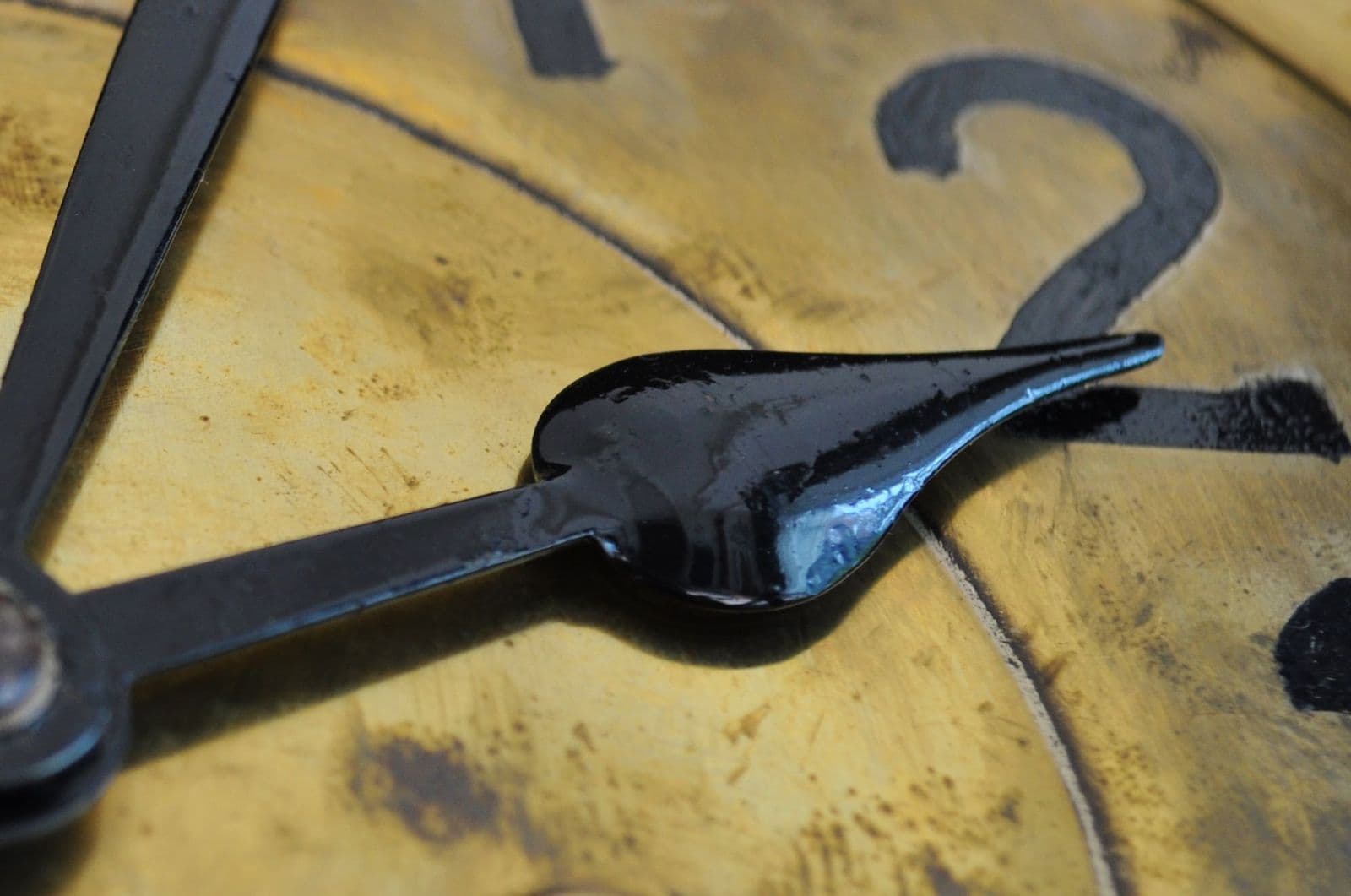
A guide to Art Deco watches: geometric design, materials, vintage versus modern pieces, authenticity checks and care.
Shopping for the best art deco watches means looking for geometry, symmetry, and glamour from the 1920s and 1930s. Art Deco design favors stepped cases, bold numerals, sunburst dials, and contrasting materials, and it turns a wristwatch into a small piece of architecture. This guide explains how to recognize genuine Deco style, compare vintage and modern pieces, and buy with confidence.
Use this guide to decide whether a true vintage piece, a vintage inspired modern watch, or a high end revival suits your wrist, budget, and daily life. Vintage pieces carry history and fragility in equal measure, while modern pieces offer reliability and water resistance.
What Makes a Watch Art Deco
Art Deco design grew from the 1925 Paris exhibition and spread through architecture, jewelry, and watches. Look for geometric shapes: rectangular and tonneau cases, stepped bezels, fan motifs, chevrons, and sunburst patterns. Dials often pair bold Arabic numerals with clean hands, while cases mix steel, gold tones, and black enamel for contrast.
Not every old watch is Deco, and not every geometric watch is truly Deco in spirit. A watch from the 1940s with soft curves belongs to a later style, while a modern watch with a stepped case and fan engraving may capture Deco well. Judge by the combination of case, dial, hands, and numerals together, rather than by a single geometric detail.
Vintage Pieces and Their Character
True vintage Deco watches come from the 1920s and 1930s, and they carry the charm of hand finishing and period materials. Cases may show gentle wear, dials may have aged to a warm patina, and movements tick with a character modern quartz cannot copy. That history appeals to collectors, but it also means fragility, scarce parts, and limited water resistance.
Buy vintage only from sellers who disclose servicing, originality, and repairs. A replaced dial, recut case, or modern movement changes value sharply, even when the watch looks attractive. Ask for clear photos of the case back, movement, and dial, and consider an independent appraisal for costly pieces. A well documented vintage watch with honest wear beats a polished mystery piece every time.
Modern Deco Inspired Watches
Modern Deco inspired watches borrow the geometry while adding sapphire crystals, reliable movements, and water resistance for daily wear. They suit buyers who love the look but need a watch that survives rain, desk work, and travel without worry. Prices range from accessible fashion pieces to high end revivals from heritage makers.
Judge modern pieces by design honesty rather than brand noise. A good revival respects Deco proportions: a slim case, a balanced dial, and numerals that read clearly. Avoid pieces that pile on Deco motifs until the dial turns cluttered, since true Deco prized clean geometry and confident empty space as much as decoration.
Materials, Movements, and Daily Wear
Case materials shape both look and care. Stainless steel suits daily wear and resists scratches reasonably, while gold tones and two tone finishes look dressier but show wear sooner. Black enamel accents add Deco contrast yet chip if knocked, so handle enamel cases with extra care around desks and door frames.
Movements split into quartz, automatic, and manual wind. Quartz offers accuracy and low maintenance, automatic suits daily wearers who enjoy mechanical craft, and manual wind suits collectors who enjoy the ritual of winding. For daily wear, quartz or automatic with solid water resistance makes life easier, while manual vintage movements suit occasional wear and careful ownership.
Sizing, Straps, and Wrist Presence
Deco watches often run smaller than modern sport watches, with many vintage pieces between 30 and 38 mm. Smaller cases suit the Deco aesthetic, since the design relies on proportion rather than bulk. Try the case on your wrist and check lug to lug length, which matters more than case width alone for comfort and balance.
Straps change the character completely. Leather straps in black or tan suit classic Deco, while metal bracelets add a dressier feel. Original style straps often use simple stitching and slim profiles that match the slim case. Budget for a quality strap, since a cheap strap undermines even a beautiful case and dial.
Authenticity, Price, and Safe Buying
Prices vary widely by maker, condition, originality, and provenance. A famous maker vintage piece in original condition commands far more than an unsigned piece with a replaced dial, even when both look similar at a glance. Compare sold prices for similar pieces rather than trusting a single asking price, and be wary of deals that seem far below market for a claimed famous maker.
Buy from sellers who offer written descriptions, clear photos, and return periods. For vintage, ask about service history and whether parts are original. Keep invoices and any appraisal with the watch, since documentation supports future resale and insurance. If a seller avoids questions about originality, walk away and keep searching.
Deco Details to Admire
Deco watches reward close looking, since their beauty lives in small details. Study the stepped case edges, the fan engraving on lugs, and the way numerals sit against guilloche or sunburst dials. Hands often carry a distinctive shape, such as sword or cathedral styles, that echoes the case geometry. These details separate a thoughtful Deco design from a generic watch with a geometric label.
Enamel work deserves special attention, since black enamel inlays and dial accents give Deco watches their striking contrast. Well preserved enamel looks deep and even, while chipped or recut enamel signals wear or repair. Case backs sometimes carry engravings from original owners, adding personal history that collectors value. Take time to admire these details when choosing, since daily enjoyment comes from details you notice again and again.
Proportions complete the Deco effect, since the style prized balance over bulk. A slim case, a dial with confident empty space, and numerals that breathe all signal authentic Deco thinking. Compare several pieces side by side when possible, since proportion differences become obvious in comparison while single photos flatter almost anything. The piece that still pleases after comparison is usually the right one.
For authenticity and servicing detail on period pieces, see our guide to best vintage art deco watches. Wearable art across other design movements is covered in best art watches.
Frequently Asked Questions
How do I spot a fake vintage Art Deco watch?
Look for consistency across case, dial, hands, and movement, since fakes often mix parts from different eras. Check engravings for sharpness, dial printing for period correct fonts, and the movement for maker marks that match the case. Ask for service history and originality in writing, and seek an independent appraisal for costly pieces. A seller who avoids detailed photos or questions deserves skepticism.
Are Art Deco watches good for daily wear?
Modern Deco inspired watches suit daily wear well, especially with sapphire crystals and water resistance. True vintage pieces suit occasional wear better, since old crystals scratch, water resistance fades, and parts grow scarce. If you wear vintage daily, accept gentler use, regular servicing, and rain avoidance. Match the watch to your routine rather than forcing a fragile piece into hard daily service.
What size Art Deco watch should I choose?
Many Deco watches run smaller than modern sport watches, often between 30 and 38 mm, and the style suits slim proportions. Check lug to lug length as well as case width, since long lugs can overwhelm a small wrist. Try the watch on when possible, and judge balance rather than chasing current size trends. A well proportioned smaller case looks more Deco than an oversized case with Deco details.
Do Art Deco watches hold their value?
Value depends on maker, condition, originality, and rarity, not on Deco styling alone. Famous maker vintage pieces in original condition tend to hold value better, while fashion pieces and heavily altered watches depreciate faster. Buy first for enjoyment, since watch markets shift and no purchase guarantees returns. Keep documentation and service records, which support value whenever you sell.
How should I care for an Art Deco watch?
Store the watch away from moisture, magnets, and hard knocks, and keep leather straps dry and clean. Service mechanical watches every few years with a watchmaker experienced in vintage pieces, and replace seals on modern pieces to maintain water resistance. Avoid polishing vintage cases aggressively, since polishing removes detail and originality. Gentle regular care preserves both looks and value.
Final Thoughts
The right Art Deco watch balances design honesty, condition and daily practicality. Vintage pieces offer history and patina, modern pieces offer reliability and water resistance, and both reward careful inspection before purchase. Judge case, dial, hands and movement together, and let proportion guide you more than fashion.
Compare design features and movements, then buy from a seller who welcomes questions and offers a return period. The best art deco watches are the ones that still please you after you have studied the details.


