Best Aromatic Candles Made Simple: A Clear Buying Guide for 2026
Disclosure: We may earn a commission when you buy through links on this page, at no extra cost to you. As an Amazon Associate I earn from qualifying purchases. Learn more

The best aromatic candles match your room size and scent taste. Learn wax types, burn time, and safety basics before you buy.
Shopping for candles for the first time can feel confusing, because jars, tins, and pillars all promise a lovely scent yet behave very differently once lit. The best aromatic candles for your home are the ones that suit your room size, your scent preference, and the way you actually use them, whether that means a quiet evening or a lively gathering. This guide starts with the basics and moves step by step toward a confident choice.
You will learn what wax, wick, and scent strength really mean, how to judge burn time and value, and which safety habits protect your home. The product table shows a range of popular options, so you can compare them before you read the details.


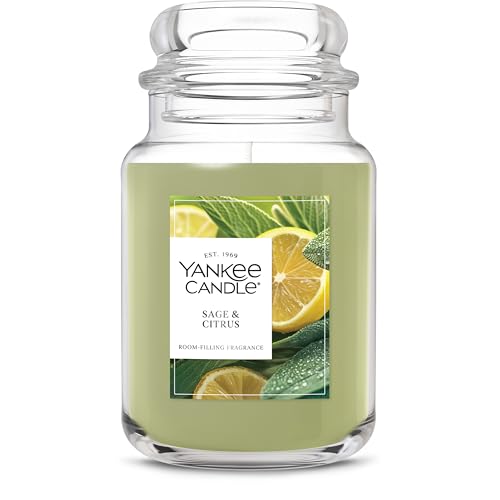

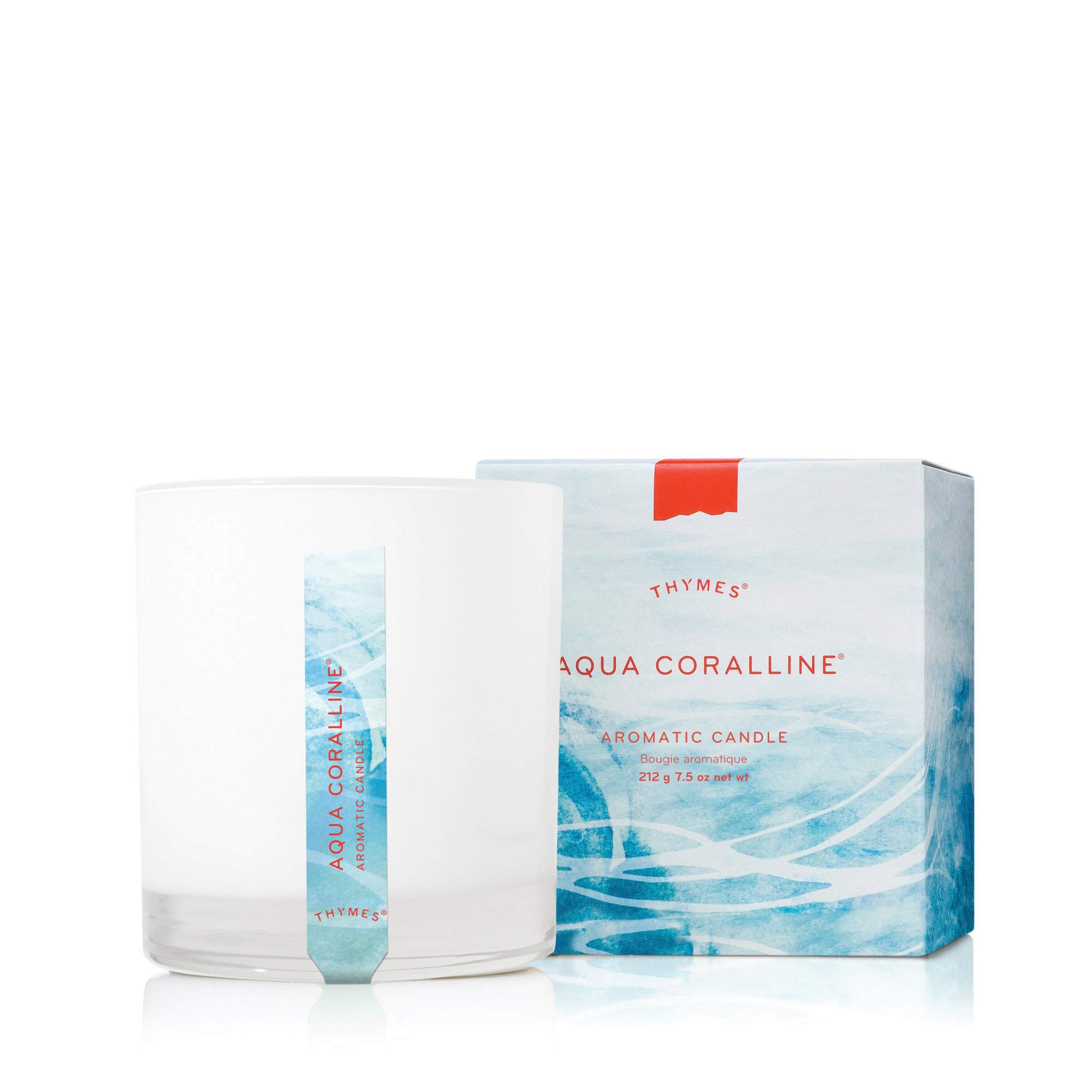

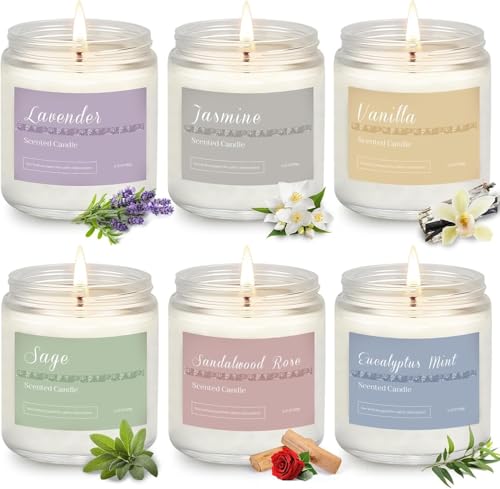
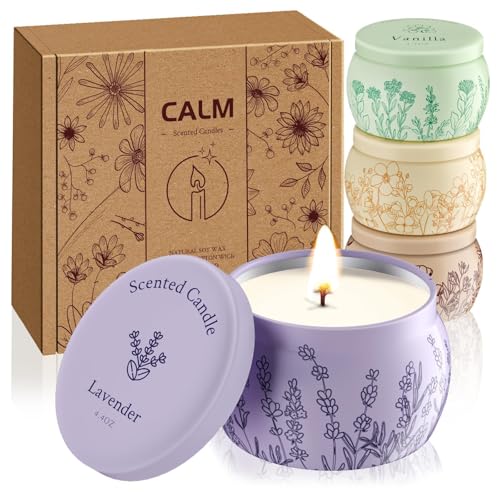
How to Choose the Best Aromatic Candles: The Basics
An aromatic candle is a wax candle made with added fragrance that is released as the wax melts and the scent rises into the air. The wax acts as the carrier, the wick controls the flame and the melt pool, and the fragrance load decides how strong the scent feels in a room. When the melt pool reaches the edge of the container, the scent spreads more evenly, which is why the first burn matters so much.
New buyers often focus only on the scent in the shop, yet that cold scent can differ from the scent you notice when the candle is burning. Room size, airflow, and burn time all change the result, so a candle that smells strong in a small shop may feel gentle in a large living room. Keep that difference in mind as you compare options, and look for guidance on room size on the label or product page.
Key Specs Explained in Plain English
Each point below explains one spec in simple terms and gives a practical level to look for. Use them together, because a candle with a lovely scent but a poor wick or a tiny burn time will still disappoint.
Intended Use and Who It Is For
Think about where and when you will burn the candle. A small candle suits a bathroom or a desk, while a larger candle suits a living room or an open plan space. If you want background scent during meals or reading, choose a gentle fragrance that will not compete with food or conversation. If you want a clear scent for a gathering, choose a stronger fragrance and a larger melt pool.
Size, Weight, and Fit for Your Space
Size affects both scent reach and burn time. A small tin may burn for about 15 to 25 hours, while a large jar may burn for about 50 to 80 hours, depending on wax, wick, and care. Check the container diameter too, because a wide jar needs a longer first burn to melt across the full surface. Place the candle on a stable, heat resistant surface with room around it, away from curtains, paper, and drafts.
Build Quality and Materials
Wax type shapes the burn and the scent. Soy wax often burns slowly and evenly, paraffin wax often throws scent strongly, and beeswax often burns cleanly with a light natural scent. Blends can balance those traits, so judge the result rather than the label alone. Also check the wick: a straight, centred wick with a firm base helps the candle burn evenly, while a crooked wick can cause uneven melting and soot.
Ease of Use and Setup
Candles need little setup, but a few habits make a real difference. Trim the wick to about one quarter inch before each burn, let the first burn create a full melt pool, and keep burns to about two to four hours at a time. Extinguish the flame with a snuffer or by dipping the wick rather than blowing hard, which can scatter hot wax. These steps sound small, yet they protect the scent, the burn time, and the container.
Price Versus Value
Budget candles usually cost around $5 to $15 and suit a first try or a small room. Mid range candles, at about $15 to $30, often offer longer burn times, steadier scent, and sturdier containers. Premium candles, at about $30 to $60, may use finer fragrance blends or larger formats, but a higher price does not always mean a stronger scent in your room. Compare cost per hour of burn time, and weigh scent strength and container quality beside price.
Safety and Certifications
Follow the maker safety guidance on every candle you buy. Never leave a burning candle unattended, keep it away from children and pets, and keep it clear of curtains, bedding, and other flammable items. Trim the wick, stop burning when about half an inch of wax remains in a container, and never move a lit candle. If a candle smokes heavily, flickers wildly, or shows a cracked container, extinguish it and let it cool before you handle it.
If you want scent without an open flame, a flameless option may suit a bedroom or a home with pets. See our guide to the best battery candles for that style, and keep flame safety rules in mind for every traditional candle you own.
Rookie Mistakes to Avoid
- Skipping the first full melt pool, which can leave wax stuck at the edges and shorten the useful life of the candle.
- Choosing scent strength for the shop rather than the room, so a strong candle overwhelms a small space or a gentle candle fades in a large room.
- Burning a candle for too long at once, which can overheat the container and reduce scent quality over time.
- Placing a candle near a draft, a curtain, or a busy walkway, where the flame can flicker, smoke, or tip over.
- Judging value by jar size alone, without checking burn time, wax type, and fragrance strength.
Seasonal scents can also tempt a rushed choice. If you are shopping for winter or holiday fragrance, see our guide to the best Christmas candles and compare the scent notes and room fit before you buy, rather than choosing on packaging alone.
Getting Started: Setup and First Use
Start by reading the maker instructions and checking the container for cracks or loose wicks. Place the candle on a stable, heat resistant tray, trim the wick, and light it in a room free of drafts. Let the first burn run long enough to melt the wax across the full surface, then extinguish it safely and let it cool before moving it. After each burn, trim the wick again, clear any debris from the melt pool, and store the candle in a cool place away from direct sun.
Clean and inspect the container regularly, and stop using a candle if the container cracks or the wick holder loosens. For general scented options beyond aromatic styles, see our guide to the best scented candles to compare formats, wax types, and scent families in one place.
Frequently Asked Questions
How do I maintain an aromatic candle?
Trim the wick to about one quarter inch before each burn, and clear wick trimmings or matches from the melt pool before lighting. Keep burns to about two to four hours, let the candle cool fully before moving it, and store it away from heat and sunlight. Stop burning a container candle when about half an inch of wax remains, so the container does not overheat.
How much should I spend on an aromatic candle?
Most first time buyers spend about $10 to $30 for a good everyday candle, while small trial sizes can cost less. Pay more when you need a longer burn time, a larger room size, or a fragrance blend you already know you enjoy. For a first purchase, a mid range jar often gives the clearest sense of scent strength and burn quality without a premium price.
What features matter most when buying the best aromatic candles?
Wax type, wick quality, scent strength, and burn time matter most, followed by container size for your room. A well made wick and a full first melt pool protect both scent and burn time, while the right fragrance family decides whether you enjoy the candle day after day. Safety guidance and a sturdy container matter just as much, especially in a home with children or pets.
How long does an aromatic candle last?
Burn time depends on size, wax, and care, with small candles often lasting about 15 to 25 hours and large jars often lasting about 50 to 80 hours. Trimming the wick, avoiding drafts, and allowing a full melt pool on the first burn all help the candle reach its stated time. Short, frequent burns usually give a cleaner result than one very long burn.
Are expensive aromatic candles worth it?
A higher price can be worth it when it buys a longer burn, a steadier scent, or a fragrance blend that suits your taste and room. It is not worth it when the extra cost buys only fancy packaging or a scent that fades quickly in your space. Compare burn time per dollar and scent strength in a room like yours, and let those two measures guide the choice.
Wrapping Up
Start with room size and scent strength, then check wax, wick, burn time, and safety guidance before you compare prices. A candle that fits your space and your habits will bring more pleasure than a stronger or pricier candle that does not. The best aromatic candles for you are the ones you can burn safely, enjoy often, and replace without regret. Review the product table once more, choose the format that fits your room, and enjoy your first burn with care.