
Best Army Watches for Men: Buying Guide for 2026
Disclosure: We may earn a commission when you buy through links on this page, at no extra cost to you. As an Amazon Associate I earn from qualifying purchases. Learn more

A buying guide to the best army watches for men: movement, case size, water resistance, lume, straps and smart features.
An army style watch has to stay readable in bright sun and low light, shrug off bumps and rain, and feel comfortable through a long day outdoors or on the job. The challenge is that two watches can look almost identical in photos yet differ a lot in movement, crystal, and water protection. This guide to best army watches for men walks you through those differences so you can match a watch to your wrist, your routine, and your budget.
Start with how you will actually wear it, then compare the options in the comparison table below against the criteria in the sections that follow. A short shortlist built on clear priorities beats a long list built on looks alone.


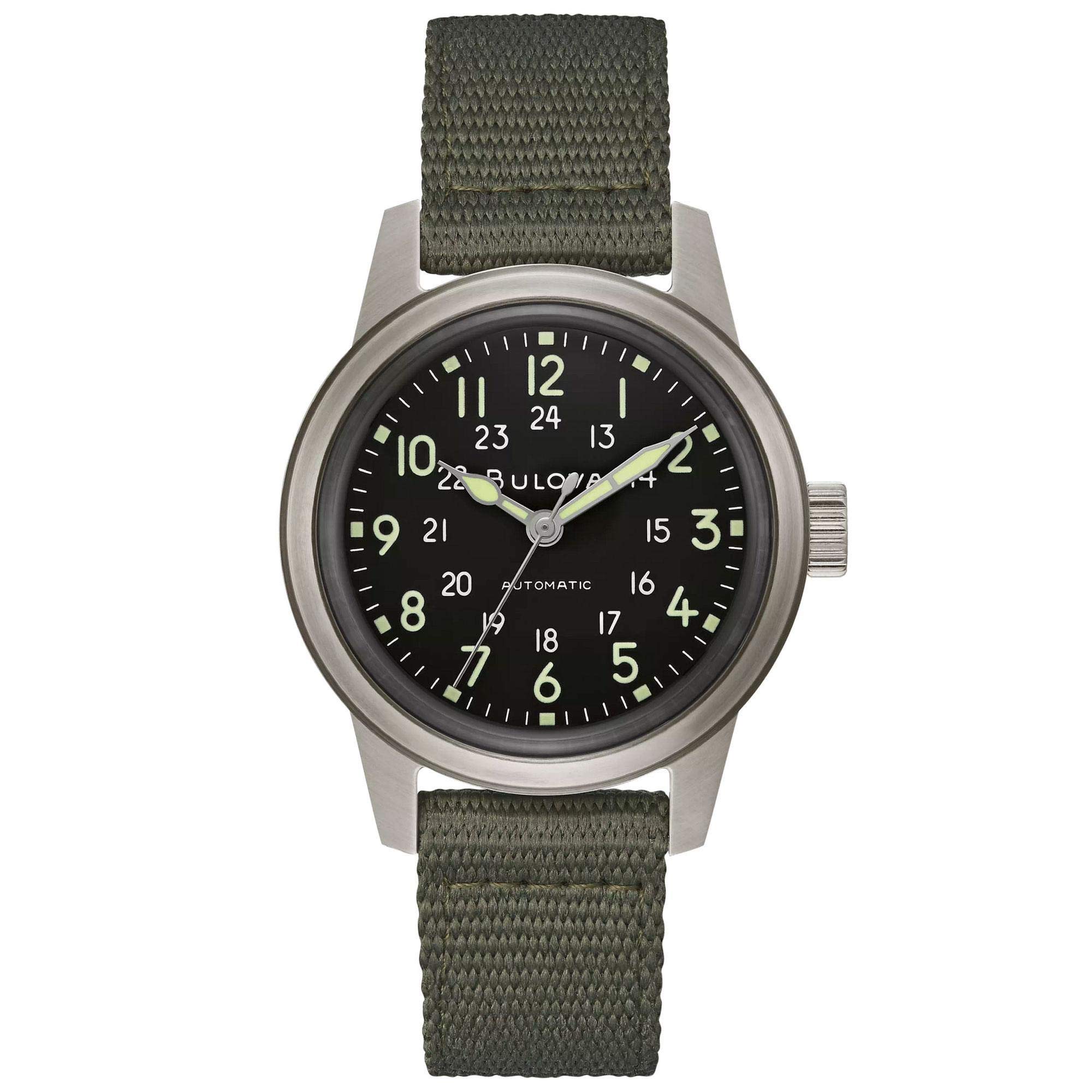

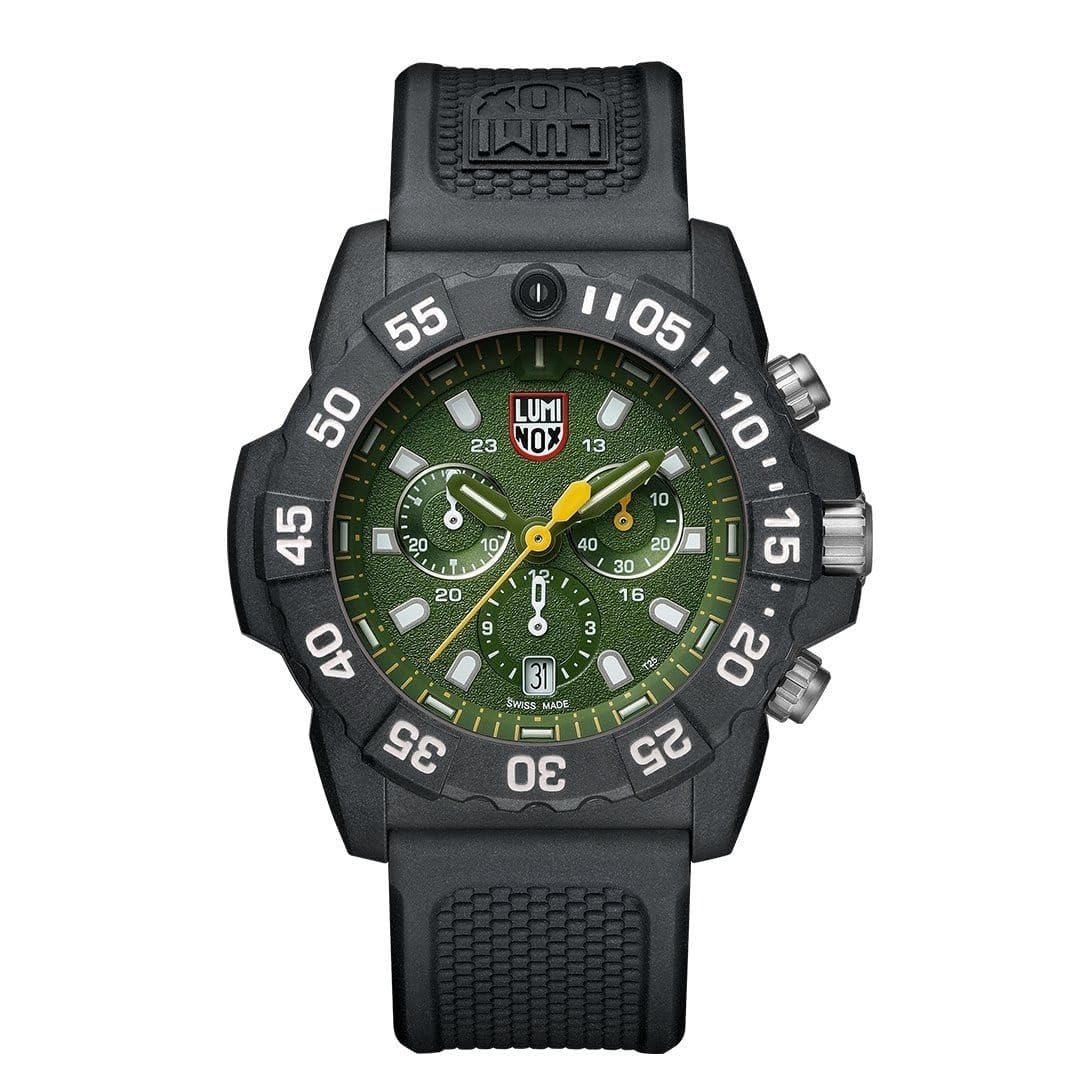


What Each Price Tier Delivers
Price tiers in this category are useful because they predict materials and finishing more than they predict basic timekeeping. Even an entry level quartz watch can keep excellent time. What changes as you spend more is the crystal, the case finishing, the quality of the lume, and the movement inside. Use the tiers below as expectations, not as promises about any single watch.
Balanced Everyday Tier
For most men, the middle tier offers the strongest balance of toughness and cost, usually around $100 to $250. Expect a stainless steel or sturdy resin case, mineral or sapphire coated crystal on some models, and water resistance of 100 meters or more. Lume is typically brighter and lasts longer through the night than on entry level pieces. This tier suits daily wear, hiking, and travel because it tolerates hard use without the worry that comes with a costly watch. If you buy only one army style watch, start your search here and judge each candidate on fit and legibility first.
Value Tier
Value tier watches, often under $100, usually pair a quartz movement with a resin or alloy case and a basic mineral crystal. Timekeeping is accurate and maintenance is minimal, which makes them a sensible choice for work sites, training, or as a backup watch. Trade offs show up in dimmer lume, lighter cases that can feel less solid, and straps that wear out sooner. Water resistance may be only 30 to 50 meters, enough for rain and splashes but not for swimming. Check the rating carefully before you assume a low price field watch can handle the water you have in mind.
Premium Tier
Premium tier watches, often about $250 to $600 or more, add sapphire crystal, stronger case construction, and either a refined automatic movement or advanced solar and GPS features. Finishing is cleaner, bezels and crowns tend to operate with more precision, and lume performance is usually the best in the category. Warranty coverage and service networks also tend to be stronger at this level, a point worth noting if you want to explore the best branded watches for men alongside field styles. This tier pays off for collectors and for men who wear one watch daily for many years.
How to Choose the Best Army Watches: Buying Guide
Choosing well means working through a few decisions in order: size first, then movement, then protection, then features. A watch that fits your wrist and your daily conditions will satisfy you far longer than one bought for a single headline feature. The points below expand each decision so you can read a product listing with confidence.
What Men Should Look For
Start with case diameter and lug to lug length, because an army watch that overhangs your wrist will catch on sleeves and gear. Many men find 38 to 42 mm comfortable, while larger wrists can carry 44 mm without trouble. Weight matters during all day wear, so a resin case or a fabric strap can help if steel feels heavy. Crown size also matters more than it first seems. A slightly larger crown is easier to grip with gloves or cold hands, a small practical detail that field inspired designs get right.
Movement Type
Quartz movements run on a battery, keep very accurate time, and need little attention beyond battery changes every two to three years. Automatic movement options wind from the motion of your wrist and appeal to men who enjoy mechanical craft, but they can drift by several seconds a day and need servicing over time. Solar watches charge from light and can run for months on a full charge, removing battery worries on long trips. Smart models add the most functions but need frequent charging. Match the movement to your tolerance for upkeep as much as to your taste.
Smart and Fitness Features
GPS, compass, altimeter, and heart rate tracking can be genuinely useful on trails and during training, and this is where the best garmin watches for men show how far outdoor smart features have come. Battery life is the key limit, ranging from a few days in full GPS mode to several weeks in basic watch mode. Remember that wrist heart rate readings are estimates for training trends, not medical measurements. If you need health data for a medical reason, talk with your clinician rather than relying on a watch. Choose smart features only when you will use them weekly.
Water Resistance Rating
Water resistance ratings describe tests under still conditions, not a guaranteed depth for daily use. A 30 meter rating handles splashes and rain only. A 100 meter rating suits swimming and showering for most wearers, while 200 meters adds margin for diving style use and repeated immersion. Moving water, hot showers, and aging seals all reduce real protection, so have seals checked if you swim often. A screw down crown is a helpful sign of serious water protection. When in doubt, choose the higher rating if your watch will see water every week.
Brand Reputation, Warranty, and Value
A known maker with clear warranty terms and service access in the United States protects your purchase long after checkout. Look for at least a two year warranty on the movement and a straightforward repair path. Resale value varies widely, so treat it as a small bonus rather than a reason to buy. Reading about the best men watches company options can help you judge which makers support their field and military inspired lines well. Value, in the end, is durability plus support divided by years of wear.
Legibility and Style
Legibility is the heart of an army watch. Look for strong contrast between hands, markers, and dial, plus lume that glows evenly on both hands and hour markers. Arabic numerals at key positions help you read time at a glance. Dial color affects both style and readability, with matte black and dark green dials reducing glare outdoors. If you also want a watch that dresses up, see our guide to the best good looking watches for men for style ideas, then return to field models with a clearer eye. A clean dial usually ages better than a crowded one.
Strap and Bracelet Options
Straps change comfort, weight, and looks more than any other part. NATO style fabric straps are light, washable, and keep the watch on your wrist even if one spring bar fails. Silicone suits water and sport, steel bracelets add weight and formality, and leather looks warm but dislikes soaking. A quick release strap system lets you swap looks in seconds without tools, which is handy if one watch covers work and weekends. Measure lug width before ordering spares, since 20 mm and 22 mm are both common and are not interchangeable.
Types of Army Watches
Army style watches fall into a few broad families, and knowing the family helps you narrow the field before you compare details. Each family below suits a different mix of upkeep, features, and budget.
Solar Watches
Solar watches use a light powered cell that removes routine battery changes and suits men who spend time outdoors or travel for long stretches. They are often quartz accurate and low maintenance. The limit is that premium solar models with GPS can cost as much as mechanical pieces. They fit buyers who want set and forget reliability with modern features.
Automatic Watches
Automatic watches run on a mechanical automatic movement powered by wrist motion, with no battery at all. Owners enjoy the smooth sweep of the second hand and the craft involved. Accuracy is looser than quartz and servicing every five to seven years adds long term cost. They fit men who value tradition and plan to keep a watch for many years.
Dive and Field Watches
Dive and field watches share tough cases and strong water resistance, but field models favor light weight and simple dials while dive models add a rotating bezel for timing. If your days mix land and water, a field watch with a 200 meter rating bridges both worlds. For a broader view of the category, see our guide to the best army watches and compare how dive and field priorities differ.
How to Make Your Army Watch Last Longer
A tough watch still rewards basic care. A few habits protect the movement, seals, and crystal far better than occasional deep cleaning.
- Service automatic watches every five to seven years, or sooner if timekeeping changes noticeably, so oils and seals stay in good condition.
- Rinse the case and strap with fresh water after saltwater exposure, then dry with a soft cloth to limit corrosion and grit.
- Store the watch away from strong magnets, such as speakers and magnetic clasps, because magnetism can disturb mechanical accuracy.
- Rotate straps to reduce wear, and let fabric and leather straps dry fully between wears to prevent odor and cracking.
- Keep the crown pushed in or screwed down when you are not setting the watch, so dust and moisture stay out.
- Wipe the crystal with a microfiber cloth only, since gritty cloths can leave fine scratches on coated surfaces.
Frequently Asked Questions
What makes army watches for men different?
Army watches differ through legibility, toughness, and restraint. They favor high contrast dials, strong lume, and cases built to take knocks without extra decoration. Many also add practical touches such as larger crowns and fabric straps. The difference is functional rather than cosmetic, which is why the style suits outdoor work and travel so well.
What case size fits my wrist?
Measure your wrist, then compare it with lug to lug length rather than diameter alone. On a wrist of about 6.5 inches, a 38 to 40 mm case with short lugs usually sits best. Larger wrists can carry 42 to 44 mm comfortably. Cardboard cutouts in the listed size, placed on your wrist, give a surprisingly honest preview before you buy.
How long does a watch battery last?
Most quartz watch batteries last about two to three years, though features such as backlights and alarms shorten that span. Solar models avoid the question by charging from light. When a quartz second hand starts jumping in intervals, that is often a low battery signal from the movement. A jeweler can usually replace the battery and check the seals in one visit.
Quartz or automatic: which is better?
Neither is better for everyone, because they serve different priorities. Quartz wins on accuracy, low cost, and minimal upkeep, which suits hard daily use. Automatic wins on craft and long term ownership appeal, with no battery to change. Your answer depends on whether you value convenience or mechanical character more, and both choices can be durable when the case and crystal are well made.
How water resistant should a watch be?
Choose at least 100 meters if you swim or shower with your watch on, and 200 meters if it will see repeated immersion. A 30 or 50 meter rating is fine for rain, hand washing, and dusty work. Remember that heat and soap can age seals, so rinsing after pool or sea use helps any rating perform as intended over time.
Is a smartwatch worth it over a classic watch?
A smartwatch is worth it when you will use GPS, navigation, or training data every week and accept regular charging. A classic watch is worth it when you want years of wear with almost no upkeep and no screen distractions. Many owners end up with one of each, using the smart model for sport and the classic field watch for everything else.
Our Verdict
Focus on fit, legibility, and water protection first, then choose the movement that matches your tolerance for upkeep. Those three decisions do more for daily satisfaction than any extra feature list. Compare your shortlist with the product table above, and choose the best army watches for men option that fits your wrist and your routine with room to spare.


