Best Armani Exchange Watches at Every Price: What Your Money Really Gets You for 2026
Disclosure: We may earn a commission when you buy through links on this page, at no extra cost to you. As an Amazon Associate I earn from qualifying purchases. Learn more

Compare the best armani exchange watches by budget with a clear guide to movements, case sizes, materials and lasting value at each price tier today.
Armani Exchange prices span a wide range, from under $100 on sale to around $350 for chronographs and bracelet models. The dial logo stays the same across that range, so your money buys differences in materials, movement features, and finishing rather than a different brand. This guide shows where spending more on the best armani exchange watches pays off and where it does not.
You will see what each tier usually includes, which upgrades change daily wear, and which ones are mostly decoration. Use the comparison table below as a starting point, then match a tier to your wrist size and wardrobe.
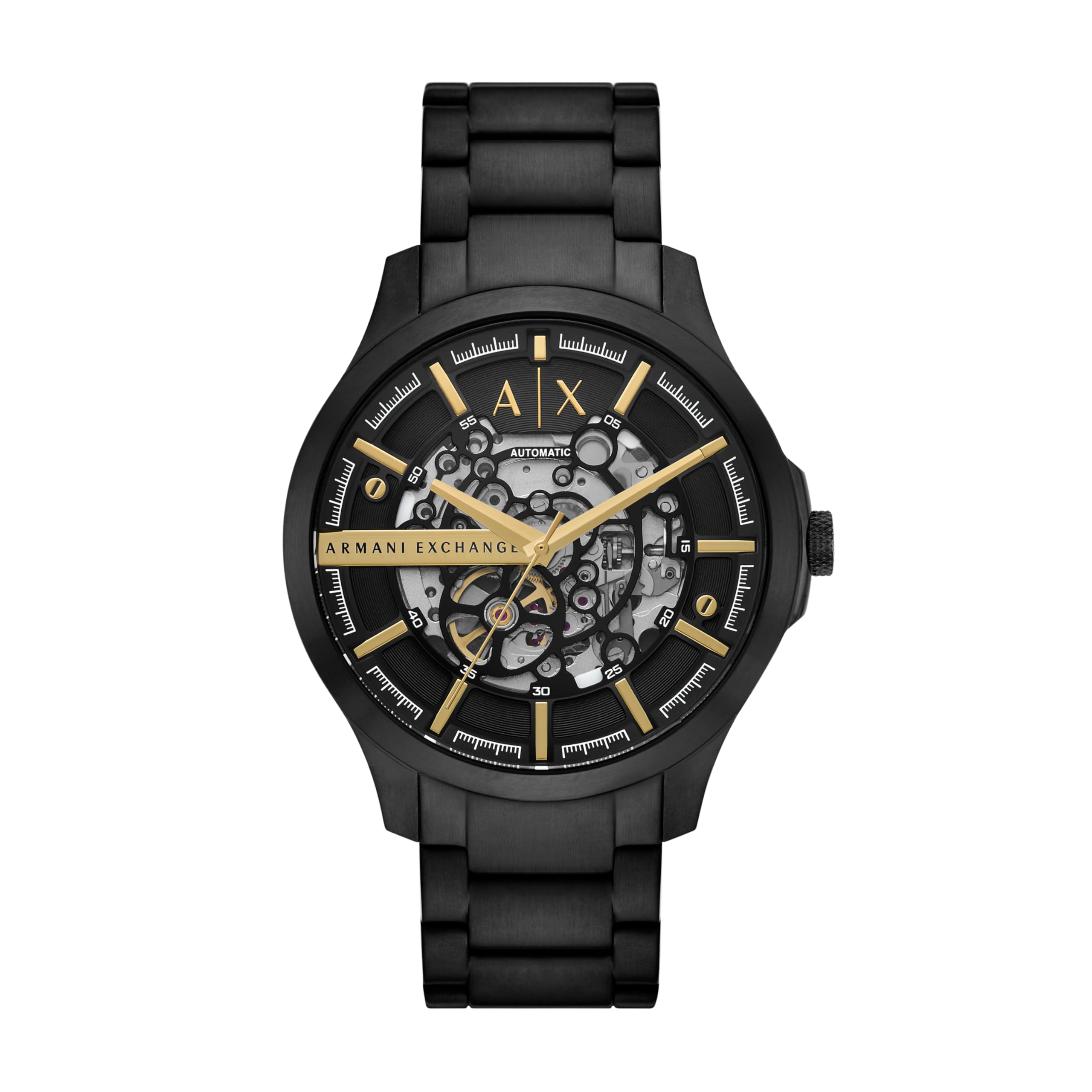

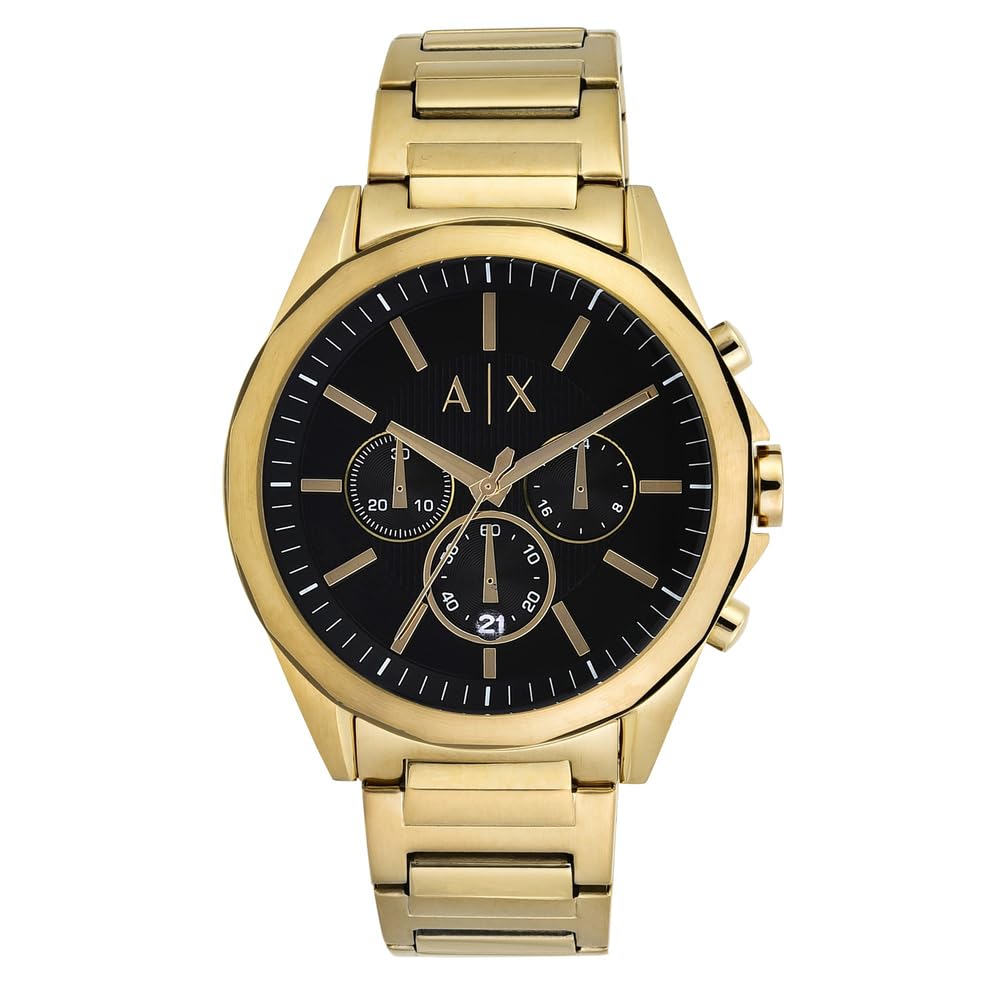


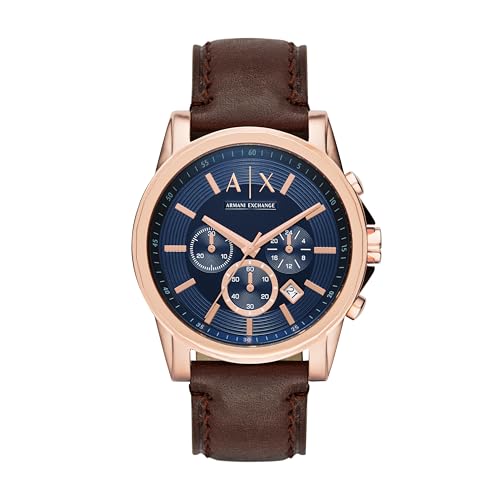


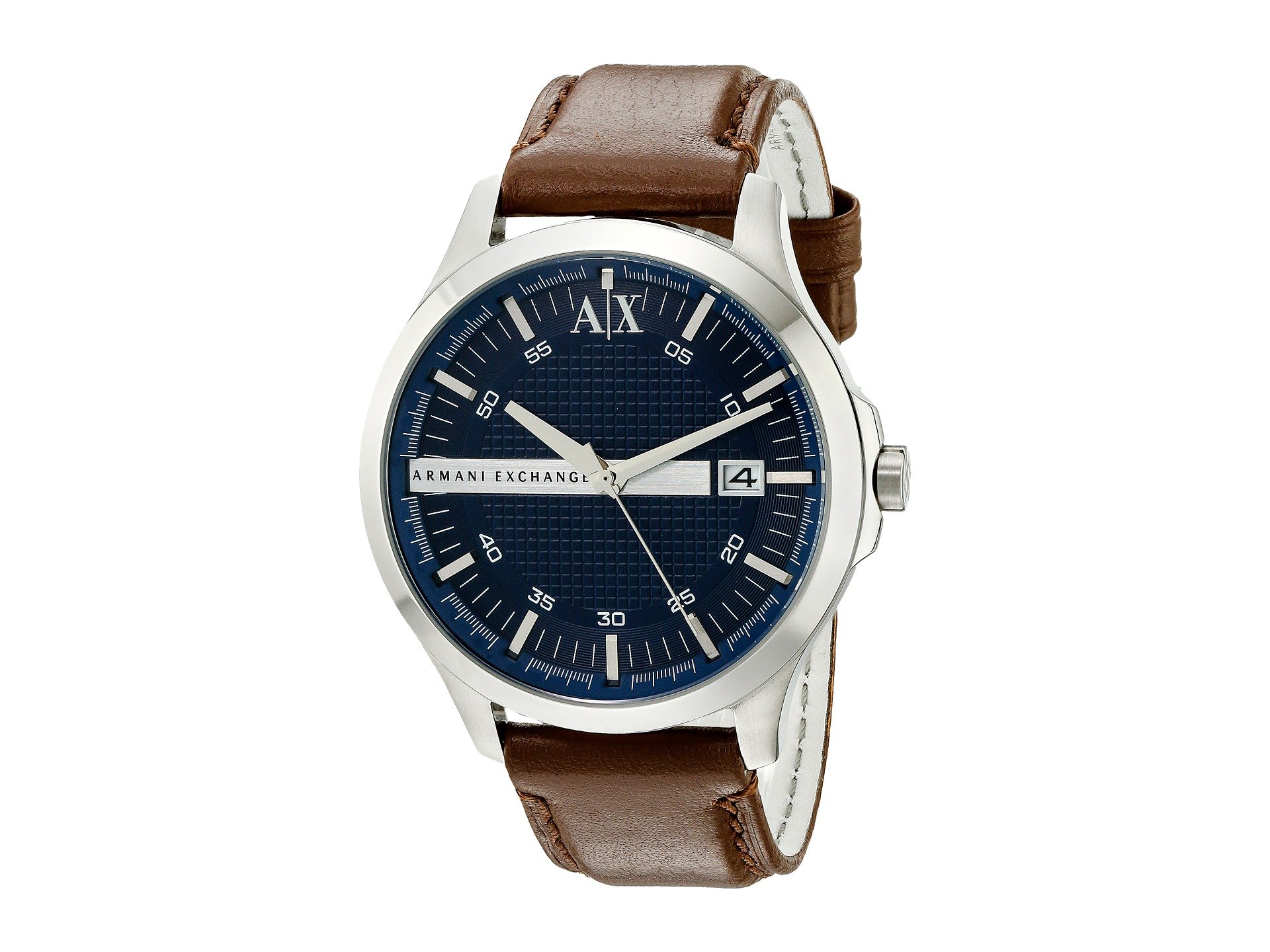
Top Price Tiers at a Glance
Think of the range as three shelves. Sale prices move models between shelves through the year, so judge a watch by its features at the price you will actually pay, not by its original list price alone.
The Budget Tier
At around $75 to $125, expect a quartz three hand watch with a mineral crystal, a slim case, and a leather or silicone strap. This tier suits a first fashion watch or a low risk gift, because the look is current and the cost of a style change later stays low. The limits are plain finishing, basic water resistance for splashes only, and straps that show wear within a couple of years of daily use.
The Midrange Tier
At around $125 to $225, you gain chronograph or multifunction dials, stainless steel bracelets on many models, and better case finishing. This is the tier most buyers should target, because the watch looks sharp with tailoring and still handles weekend wear. Water resistance often rises to about 50 meters, enough for showers and shallow swimming. Straps and bracelets also tend to use better clasps that feel secure all day.
The Premium Tier
At around $225 to $350, the gains are detail level: bolder cases, richer dial textures, stronger bracelet links, and gift worthy packaging. Movements stay quartz in nearly all cases, so you pay for design and build feel rather than mechanical craft. Choose this tier for a signature piece you plan to wear for years. Compare the sister line in our guide to the best emporio armani watches if you want a dressier tone at similar prices.
What Your Money Gets You at Each Price Tier
Budget Tier: What to Expect
Budget models focus on the dial design and a light, slim case that disappears under a cuff. Cases often use alloy or steel with a polished finish, and crystals are mineral glass that resists daily knocks but can scratch on masonry or metal edges. Expect a simple buckle strap and a movement that keeps good time with a battery change about every two years. For buyers comparing styles for men across brands, our guide to the best armani watches for men shows how this line differs from the main Armani range.
Midrange Tier: The Sweet Spot for Most Buyers
Midrange models add substance you can feel: heavier steel cases, bracelets with solid feeling links, and dials with applied markers that catch light. Chronograph subdials here are usually working timing dials rather than pure decoration, though some multifunction dials show day and date instead. Finishing between brushed and polished surfaces looks closer to far pricier fashion watches. For most wrists and most wardrobes, this tier delivers about ninety percent of the ownership pleasure for about half of the premium price.
Premium Tier: When Spending More Pays Off
Spending more pays off when you value presence: larger cases with sculpted lugs, textured dials, and bracelets that drape smoothly without rattling. Limited color runs and bolder branding also live in this tier. It does not pay off if you expect automatic movement craft or sapphire crystal as standard, because those remain rare in this fashion line. Readers who want a rugged look instead can browse our guide to the best manly watches for a different style direction.
Features Worth Paying For in the Best Armani Exchange Watches
Legibility and Style
Legibility comes from contrast between hands, markers, and dial, not from size alone. Dark dials with light markers read well in most light, while tone on tone designs look sleek in photos but can be hard to read at a glance. Lume on this line is modest, so do not count on strong night glow. Pick a dial you can read at a glance: hold it at arm length under low light in the store if you can.
Crystal and Case Materials
Mineral crystal is the norm here and is fine for office and casual wear, with replacement costs far below sapphire if damage occurs. Stainless steel cases resist corrosion and can be polished, while coated black or gold tone finishes can show wear at edges over years. If you work with your hands, a brushed steel finish hides scuffs best. A quick release strap, where fitted, lets you swap leather and silicone in seconds without tools.
Brand Reputation, Warranty, and Value
Armani Exchange is a fashion line produced under license by a large watch group, with wide service access in the United States. Warranties commonly run two years and cover movement defects, not strap wear or crystal damage. Resale value stays modest, so buy to wear rather than to resell. Shoppers comparing gift options for men may also like our guide to the best watches for guys for style ideas beyond one brand.
Movement Type (Quartz, Automatic, Solar, Smart)
Quartz dominates this line and is the right choice for most buyers: accurate, thin, and cheap to maintain. Automatic models are not a core part of the range, and solar and smart features belong to other lines, so do not pay a premium expecting them here. A quartz chronograph adds stopwatch timing with pushers, while a simple three hand layout gives the cleanest dial. Battery service at a mall kiosk usually costs under $25 and takes minutes.
Case Size and Wrist Fit
Cases run large in this line, often about 42 to 46 mm, with some models near 48 mm. Measure your wrist and compare the lug to lug length, since overhang past your wrist edges looks and feels awkward. Slim wrists under about 6.5 inches usually suit the smaller 40 to 42 mm models best. Thickness near 11 to 13 mm slides under most cuffs, while chunky chronographs suit open sleeves and casual wear better.
Armani Exchange Watches Under 100 Dollars
Shoppers on a tight budget should focus on sale priced three hand models with cases around 36 to 38 mm and slim straps. At that price, prioritize a clean dial, a secure clasp, and a strap color that matches most outfits. Crystal set bezels appear at this level during sales and add sparkle without fragile settings. Check return terms closely on deep discount listings, because final sale terms are common.
Long Term Costs to Factor In
Ownership costs stay low but are not zero. Budget for a battery change about every two years, a strap replacement every one to three years at around $20 to $60, and occasional clasp or spring bar repairs. Metal bracelets last far longer than leather, so a bracelet model can be cheaper over five years despite a higher first price. Keep the watch dry, store it away from perfume sprays, and the coated finishes will hold their color much longer.
Active buyers sometimes ask whether a fashion watch covers training needs. It does not track workouts, heart rate, or GPS routes. If those features matter, read our guide to the best workout watches and consider wearing a sport model for exercise and the fashion piece for the rest of the day.
Armani Exchange Watches: Your Questions Answered
Quartz or automatic: which is better?
Quartz is better for this line and for most daily wear, because it is accurate, slim, and needs only a battery every couple of years. Automatic movements appeal to hobbyists who enjoy mechanical craft, but they cost more to buy and service. Since this range is quartz based, judge models on fit, materials, and dial design instead of movement romance.
How long does a watch battery last?
Most batteries last about two years, and chronographs that time often may run closer to eighteen months. A seconds hand that jumps every few seconds is the low battery signal on many quartz movements. Replace the battery promptly, because a dead cell left inside for years can leak and damage the movement beyond cheap repair.
Is a smartwatch worth it over a classic watch?
A smartwatch wins for notifications, fitness data, and contactless pay, while a classic watch wins for battery life measured in years and a finished look with formal clothes. Many owners keep both and rotate by occasion. If you hate charging devices, the classic route is clearly better. If you train daily and track metrics, the smart route earns its place.
How water resistant should a watch be?
About 30 meters of rating covers splashes and rain only, despite the number sounding deep. Choose about 50 meters if you shower or swim gently with the watch on, and remember that ratings assume gentle use, not diving or hot tubs. Never press chronograph pushers under water, and have seals checked when the battery is changed on older pieces.
What case size fits my wrist?
Match lug to lug length to your wrist width so the lugs do not hang past your wrist. Wrists around 6 to 6.5 inches suit about 38 to 42 mm cases, while wrists above 7 inches carry 44 to 46 mm cases with ease. Try the watch with your usual sleeve, because cuff clearance decides daily comfort as much as diameter does.
Our Verdict
Buy the tier by materials and fit, not by list price drama: midrange steel models serve most people best, budget models suit gifts and first purchases, and premium models reward buyers who love bold design. Check the product table above, measure your wrist before ordering, and the best armani exchange watches for your budget will be the one that fits your wrist, your wardrobe, and your daily routine.