
Best Ariat Cowboy Boots 2026: Budget, Midrange, and Premium Guide
Disclosure: We may earn a commission when you buy through links on this page, at no extra cost to you. As an Amazon Associate I earn from qualifying purchases. Learn more

Compare ariat cowboy boots by budget tier, shaft height, toe shape, heel height, and leather care so you spend on the features that matter most to you.
Cowboy boots from a single maker can span a wide price range, and the gaps are not always obvious from a photo. This guide to the best ariat cowboy boots explains what changes as you move from budget to premium, so you can spend where it counts and save where it does not. You will see how shaft height, toe shape, heel height, and leather grade separate the tiers. The comparison table below sets the main styles side by side.
Because everything here comes from one maker range, the comparison is about construction and materials rather than competing brands. That makes the decision simpler: pick the tier that matches how often you will wear the boots and how long you expect them to serve.

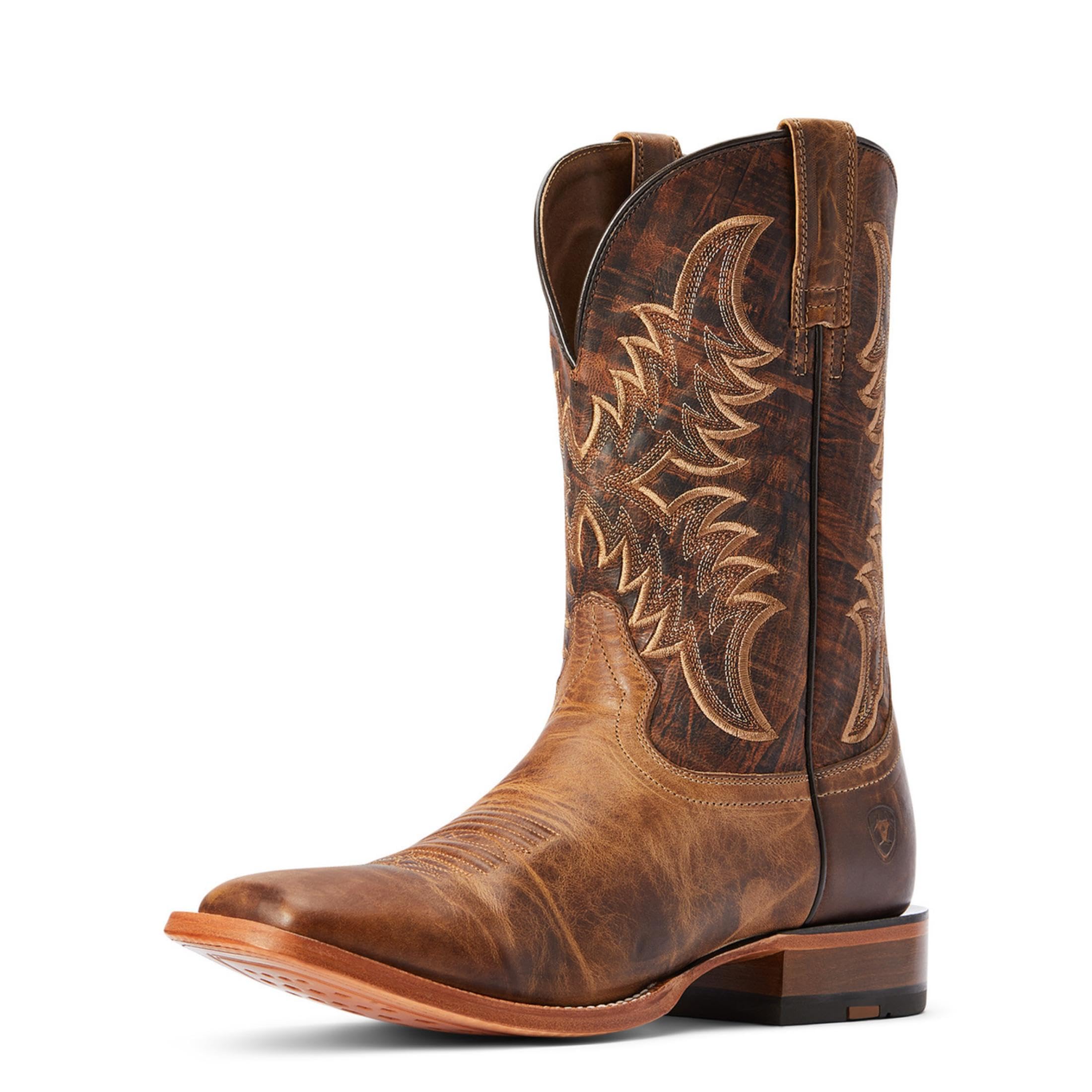


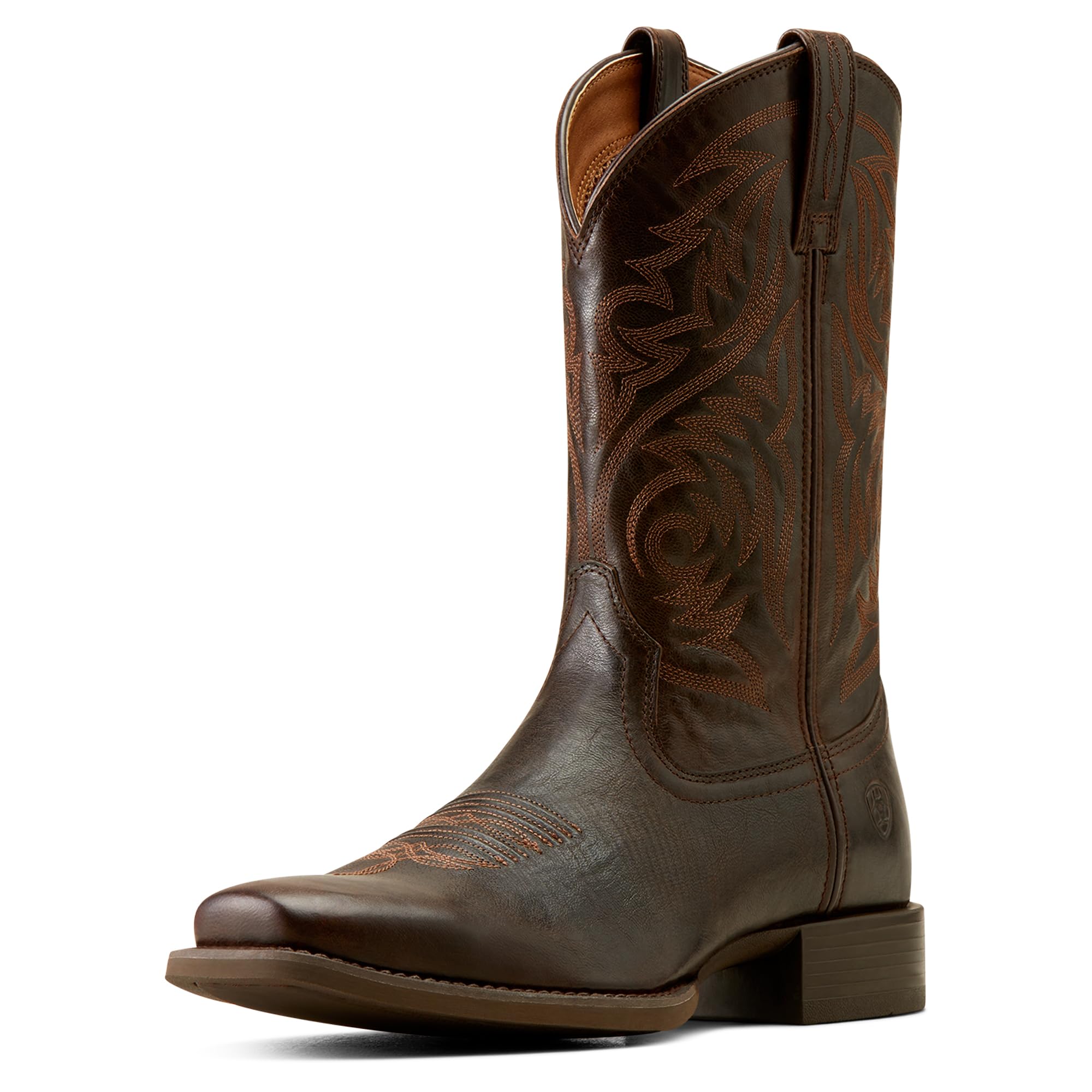


Comparing One Maker Range: Shaft, Toe, and Heel
Staying inside a single maker range has one big advantage: the sizing and construction language stays consistent, so the differences you see are real differences in design. Shoppers comparing the best ariat cowboy boots inside one catalog should judge three features first. Shaft height decides coverage and how the boot sits under jeans, toe shape decides both look and toe room, and heel height decides how the boot walks and rides. Once those three fit your use, the price tiers become much easier to judge.
For a wider view of construction quality across makers, see best quality cowboy boots.
Shaft Height and Leg Fit
Most western shafts stand about 11 to 13 inches tall, which covers the calf and keeps pant legs from catching on the shaft top. Shorter shafts feel easier for all day walking and suit buyers who find tall boots warm. Check the shaft opening against your calf while seated and standing, because a tight opening binds when you sit down. A shaft that stands upright without collapsing usually signals stiffer, longer lasting construction.
Toe Shapes and Toe Room
Toe shape is part style and part comfort. A round toe gives the most room and suits wide feet and long days. A square toe offers broad front space with a modern look, while a pointed or snip toe reads dressier but trims toe room. If your toes feel pinched in a pointed style, size up or change shape rather than hoping leather stretch will fix a shape mismatch.
Heel Height and Walking Comfort
A classic western heel stands about 1.5 to 2 inches and is angled to hold a stirrup. A lower roper style heel, about 1 to 1.25 inches, walks more like a work boot and suits buyers who rarely ride.
Taller heels shift weight forward, so new wearers often prefer the lower heel for daily wear. Match the heel to your main use first, then let style refine the choice. The same maker also sells other boot styles, and best ariat boots covers that wider range.
What Your Money Gets You at Each Price Tier
The tiers below apply across the range, in both the men and women lines. Fit details differ slightly, and guides to best cowboy boots for men and best ladies cowboy boots cover those differences, while best jeans for cowboy boots helps you pair the shaft height you choose with the right leg opening.
Budget Tier: Honest Basics
Budget pairs, about $100 to $180, cover the essentials: genuine or blended leather uppers, a simple cushioned insole, and a synthetic or leather outsole depending on the style. Expect plainer stitching and fewer decorative finishes. These boots suit occasional wear, events, and first time buyers trying out whether the style fits their life. The main trade off is longevity, because thinner leather and simpler footbeds wear sooner under daily use.
Midrange Tier: More Leather and Better Support
Midrange pairs, about $180 to $300, step up to fuller leather uppers, better cushioned footbeds with real arch support, and sturdier shank construction. Stitching is denser, shafts hold their shape longer, and resole options improve. For most regular wearers this tier delivers the strongest value, because the upgrades are the ones you feel every day: comfort, support, and leather that ages well instead of cracking early.
Premium Tier: Materials and Finish
Premium pairs, about $300 to $550, use full grain leather or exotic skins, hand finished details, and the top cushioning systems the maker offers. You pay for material rarity, finish quality, and construction that a cobbler can rebuild for years. This tier suits daily wearers, riders, and collectors who value how a boot ages. If you wear cowboy boots only a few times a year, the premium step rarely repays its cost in comfort alone.
Features Worth Paying For (and Ones to Skip)
Fit, Sizing, and Width
Width governs comfort more than any other single choice. Cowboy boots are sold in widths, and a width step changes the fit more than a half size step does. Your heel should slip slightly when the boot is new, then settle as the footbed compresses, while the ball of your foot should feel held without pressure. Try boots late in the day with your usual socks, and remember that a pointed toe in a narrow width is the combination most often returned.
Leather Quality and Care
Leather care governs service life more than almost any decision after fit. Full grain leather that is cleaned and conditioned a few times a year resists cracking and keeps its shape for years, while neglected leather dries out at the flex points. Budget leather needs the same routine, it simply starts thinner. A conditioner and a pair of boot trees cost little compared with the boots, and they protect every tier equally well.
Cushioning and Support
Cushioning systems separate the tiers in daily comfort. Budget insoles feel fine for an evening, while midrange and premium footbeds add arch support and shock absorption that matter across a full day on hard floors. Buyers with flat feet or high arches should judge the insole shape, not just its softness. A removable footbed also lets you add your own insert, which can make a budget pair far more comfortable.
Outsole Traction and Terrain
Leather outsoles look classic and slide easily on a dance floor, but they offer little grip on wet pavement. Rubber outsoles trade some tradition for traction and suit work sites, rain, and winter sidewalks. Lug depth stays modest on western boots, so none of them replaces a true work boot on rough ground. Choose the sole for the surfaces you actually cross each week, and skip paying for exotic leather on a pair that will live in mud.
Long Term Costs to Factor In
Ownership costs stay modest but real. Conditioner and cream cost about $10 to $25 a year, boot trees cost about $20 to $40 once, and a resole on a welted pair runs about $75 to $150 when the sole wears through. Premium construction raises the value of resoling, because the upper outlasts several soles. Budget pairs with cemented soles are usually replaced rather than rebuilt, so their lower price should be weighed against a shorter total service life.
Ariat Cowboy Boots: Your Questions Answered
Do ariat cowboy boots need to be waterproof?
Most ariat cowboy boots are not waterproof, and they are not built to be. Leather uppers shed light splashes, and a water resistant treatment adds short term protection, but deep puddles and soaked ground will wet through at the seams. If your work keeps you in wet conditions daily, a dedicated waterproof work boot serves better. For occasional rain, dry the boots slowly at room temperature and condition the leather afterward to keep it supple.
How should ariat cowboy boots fit?
The instep is the real fit lock on a cowboy boot, because there are no laces to adjust. The boot should feel snug across the instep, firm enough that pulling it on takes a real tug with the pull straps. Your toes should not press the front, and your heel should lift slightly with each step while the boot is new. If the instep feels loose from the start, the boot will only get looser as the leather relaxes.
Are expensive ariat cowboy boots worth it?
They are worth it when the cost is spread across frequent wear. A premium pair worn weekly for years can cost less per wear than a budget pair replaced twice in the same span. The money buys leather that resists cracking, construction that accepts new soles, and footbeds that stay supportive. If the boots are for a few events a year, the same math reverses, and a midrange pair is usually the smarter spend.
Can ariat cowboy boots be worn all day?
Yes, most wearers can wear them all day once the boots are broken in and the width is right. Start with shorter days, because a new footbed and stiff shaft need time to shape to your leg. Rotating two pairs across the week also helps, since a rest day lets the leather dry fully and keeps the footbed from packing down. If your job means constant standing on concrete, choose the strongest cushioned footbed in the range.
How long is the break in period for ariat cowboy boots?
Most pairs break in within one to two weeks of regular wear. The signs that break in is complete are practical: the heel slip shrinks, the shaft stops rubbing the calf, and the footbed shows a clear imprint of your foot. Wear the boots indoors and on short errands first, and use the socks you plan to wear daily. Sharp pain or blisters that keep returning point to a fit problem, not a longer break in.
How often should ariat cowboy boots be replaced?
Replacement timing depends on construction and use. A welted pair rarely needs full replacement, because a worn sole can be rebuilt while the upper keeps going. Signals for retiring a pair include cracked leather at the flex points, a collapsed heel counter, and uppers that no longer hold their shape.
Cemented budget pairs usually end their service when the sole wears thin, since rebuilding them is not practical. Daily wearers may cycle pairs every few years, while occasional wearers keep one pair far longer.
Final Thoughts
Judge the range in this order: heel and toe for your main use, width for comfort, then the tier your wear frequency justifies. The product table above gathers the styles so you can compare those points quickly. Matched that way, the best ariat cowboy boots are simply the pair whose construction fits your week and whose leather you are willing to care for. Prices and availability can change, so check the product page before ordering.


