
Best Antimicrobial Sandals for 2026: Which One Fits the Way You Use It?
Disclosure: We may earn a commission when you buy through links on this page, at no extra cost to you. As an Amazon Associate I earn from qualifying purchases. Learn more
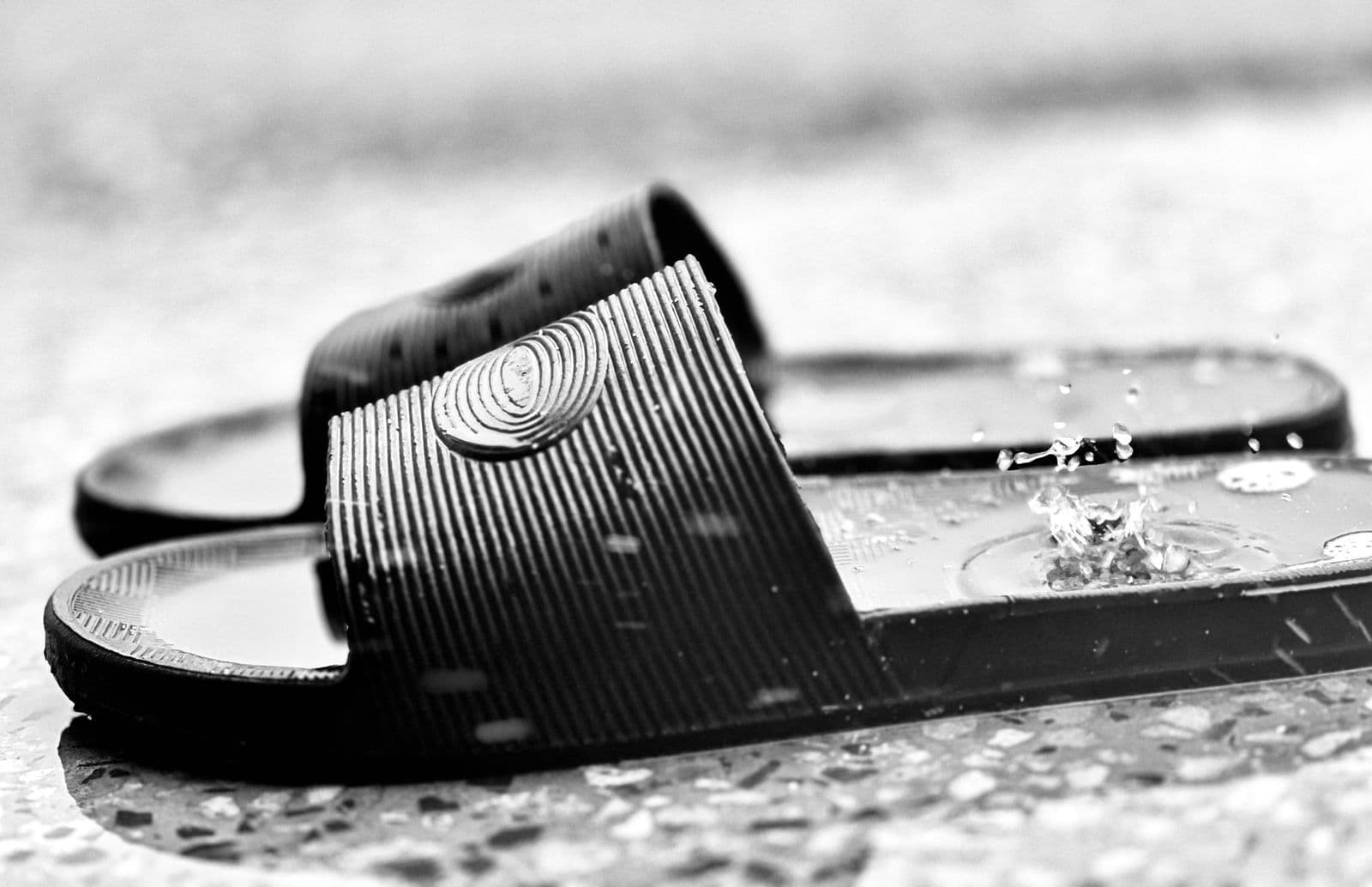
Best antimicrobial sandals matched to how you use them: daily wear, wet conditions or weekends, with fit and care tips.
There is no single sandal that suits every foot and every day, and that is especially true when odor control is part of the decision. A pair worn in locker rooms and pool showers faces very different demands from a pair worn on summer walks or at the beach. This guide helps you match the best antimicrobial sandals to the way you actually use them, so you pay for the features that matter to you and skip the rest.
Start by naming your main use case honestly: daily wear, travel, wet environments, recovery after sport, or long days on your feet. Then read on for the details that decide comfort after the first week, not just the first try on.
Who Should Buy Which Antimicrobial Sandals?
For Frequent or Serious Users
If you wear sandals most days, treat durability and footbed quality as your top priorities. Daily use compresses cushioning faster and gives odor causing bacteria more chances to settle into the footbed, so look for a dense footbed with an antimicrobial treatment worked into the material rather than a light surface spray. Strong strap stitching, a warranty of at least a year, and replaceable or well bonded components matter more than style details. Spending more here, often around $60 to $120, usually buys a pair that still feels supportive after a full season of daily wear.
For Bad Weather and Tough Conditions
Wet conditions are where antimicrobial protection earns its keep, because moisture plus warmth is exactly what odor causing microbes enjoy. For rain, boats, pool decks, and shared showers, choose closed cell footbed materials that do not soak up water like a sponge, plus straps that dry quickly and an outsole with real grip on wet tile. This is the use case behind many travel and lodging searches, and our guide to the best sandals hotel options explains what frequent travelers pack for shared bathrooms and pool areas. Avoid fabric footbeds here, since they hold water and odor far longer.
For Weekend Beginners
If you wear sandals mainly on weekends and holidays, you can keep the budget modest and still get genuine odor control. Look for a treated footbed, a simple adjustable strap, and enough cushioning for a few hours of walking at a time. Pairs around $25 to $50 cover this level of use well. Skip heavy hiking soles and complex strap systems you do not need, and put the savings toward a second inexpensive pair, because rotating pairs and letting each one dry fully is one of the simplest odor control habits there is.
Key Features to Compare
Cushioning and Support
Cushioning decides how your feet feel at the end of the day, and support decides how your knees and back feel the day after. A stability design guides the foot and limits excess rolling inward, while a neutral design simply cushions without correction. Heel to toe drop in sandals is usually low, which many people find comfortable for casual walking, but a very flat footbed can tire arches on long days. If you have ongoing foot pain, treat it as a health question, not a shopping question: our overview of the best sandals for plantar concerns is a starting point, and persistent pain deserves advice from a clinician or podiatrist.
Outsole Traction and Terrain
Traction keeps an easy day from ending with a fall. For pavement and boardwalks, a flat outsole with fine grooves is enough. For trails, wet rock, and pool decks, look for deeper lugs and a rubber compound that grips when wet, since hard plastic soles can feel like skates on tile. Flex the sandal in the store or at home: it should bend at the ball of the foot, not fold in the middle of the arch. If you plan to walk near water often, rinse grit out of the tread after each trip, because packed sand reduces grip and grinds into the footbed.
Fit, Sizing, and Toe Box
Fit your sandals in the afternoon, when feet are at their largest, and judge the fit standing rather than sitting. Your heel should sit fully inside the footbed cup with no overhang, and your toes should not touch the front edge when you walk. A wider toe box helps on warm days when feet swell, and it reduces rubbing that can break skin and invite irritation. If you fall between sizes, most people do better sizing up in open styles. Keep the packaging until you have walked around your home for an evening, so an exchange stays simple.
Weight and Flexibility
Light sandals disappear on your feet during travel and errands, but very light foam models offer less protection on rough ground and compress sooner. Heavier sport styles add a sturdier outsole and more structured straps, which helps on uneven paths and long walks. Flexibility plays a role too: a sandal that moves with your foot suits smooth ground, while a stiffer sole protects against stones and roots. Match the build to your hardest regular surface, not your easiest one, and the pair will feel right far more often.
Durability and Expected Lifespan
A well made pair worn daily should last at least one full warm season, and better pairs often serve two or three. The footbed treatment is part of durability: treatments bonded into the material keep working as the surface wears, while light coatings fade with washing and time. Watch for the real end of life signs, which are a footbed that stays compressed, straps that stretch or crack, and tread worn smooth at the heel. Comparing owner feedback across the best rated sandals can show which materials hold up, but your own drying and cleaning habits will decide much of the lifespan.
Common Mistakes to Avoid When Buying Antimicrobial Sandals
- Choosing by price alone. The cheapest foam pair may lose its odor control within weeks, while one step up in price often buys a bonded treatment that lasts.
- Ignoring cushioning and support. A fresh smell means little if your arches ache by midday. Judge comfort on a real walk, not a short try on.
- Buying the wrong size. Heel overhang and toes near the edge cause rubbing and blisters. Measure in the afternoon and respect the size guide.
- Assuming antimicrobial means no cleaning. The treatment slows odor growth; it does not remove sweat, skin cells, and dirt. Regular washing still matters.
- Skipping the warranty and return terms. Strap failures usually show early. A fair return window protects you while you learn how the pair fits your life.
Care and Maintenance Tips
Wash the footbed with mild soap and cool water every week or two during heavy use, scrubbing gently with a soft brush to lift sweat and dirt out of the texture. Air dry wet shoes away from direct heat, since hot air and strong sun can crack straps and warp foam footbeds. Rotate two pairs for daily wear so each pair gets a full day to dry, which does as much for odor as the treatment itself. Store sandals in a dry, airy spot rather than a sealed gym bag, and if odor builds anyway, a longer soak in cool soapy water usually restores a foam footbed.
Antimicrobial Sandals: Your Questions Answered
How often should I replace my antimicrobial sandals?
Replace them when the footbed stays compressed, the tread is smooth at the heel, or odor returns within a day of washing. For daily wear that is often after one or two warm seasons. A useful check is the standing check: if you can feel the ground through the sole on a familiar walk that used to feel cushioned, the midsole has packed down and the pair is near the end of its useful life.
How should antimicrobial sandals fit?
They should fit with your heel fully inside the footbed cup and a small space in front of your longest toe. Straps should hold the foot without pressure points, and your toes should spread naturally rather than gripping to keep the sandal on. If your foot slides forward when you walk downhill or on wet ground, try a half size change or a style with an adjustable heel strap before blaming your feet.
How long is the break in period?
Most foam and synthetic styles need only a few short wears, often two or three outings, before straps soften and the footbed molds slightly to your foot. Leather straps take longer, sometimes a week of regular use. Wear new sandals around the house first and build up walking time gradually. Sharp rubbing on day one rarely improves with hope alone, so treat persistent hot spots as a fit problem and exchange the pair while you still can.
Do I need waterproof shoes?
You need water friendly sandals, which is a slightly different thing. True waterproof membranes matter less in an open sandal; what counts is that the footbed does not absorb water, the straps dry quickly, and the outsole grips when wet. If your use is mostly dry pavement, standard breathable styles are fine and often more comfortable. If you will wear them in showers, rain, or on boats, choose closed cell materials and skip leather footbeds entirely.
Are expensive antimicrobial sandals worth it?
They can be, when the higher price buys a bonded antimicrobial treatment, a denser footbed, and stronger straps rather than decoration. For weekend wear, a modest pair plus good drying habits delivers most of the benefit for far less money. For daily wear, the cost per day of a durable pair is often lower than replacing cheap pairs each season. Judge by materials and warranty length, not by the logo or the marketing claims on the box.
Can I wear them all day?
Yes, if the style has real arch support and a footbed that does not fully compress by midday. Start with a few hours and build up, especially if you are used to structured shoes. Take a short sitting break every couple of hours on very long days, and switch to supportive closed shoes if your feet or calves start to ache. All day comfort depends more on support and fit than on the antimicrobial treatment itself.
Wrapping Up
Decide by use case first: daily wearers should pay for durability and a bonded treatment, wet environment users should demand closed cell materials and wet grip, and weekend users can keep it simple and affordable. Fit in the afternoon, keep the footbed clean and dry, and the odor control will last. Keep those priorities in mind, and you will find the best antimicrobial sandals for the way you actually spend your days.


