
Best Ankle Strap Sandals: Types Compared and How to Choose for 2026
Disclosure: We may earn a commission when you buy through links on this page, at no extra cost to you. As an Amazon Associate I earn from qualifying purchases. Learn more

Best ankle strap sandals compared by type, with fit, arch support, cushioning and strap advice for all day comfort.
Ankle strap sandals look like one simple category until you shop and find flat fashion pairs, sturdy walking pairs, and dress wedges all sharing the same name. The strap that makes the style charming can also rub, slip, or support you well, depending on how it is built. This guide to the best ankle strap sandals compares the main types plainly, so you can match a pair to your feet and your plans.
You will learn how outsole grip, cushioning, arch support, and strap placement change comfort across a full day. Use the product table as a starting map, then read the type breakdown before you order.


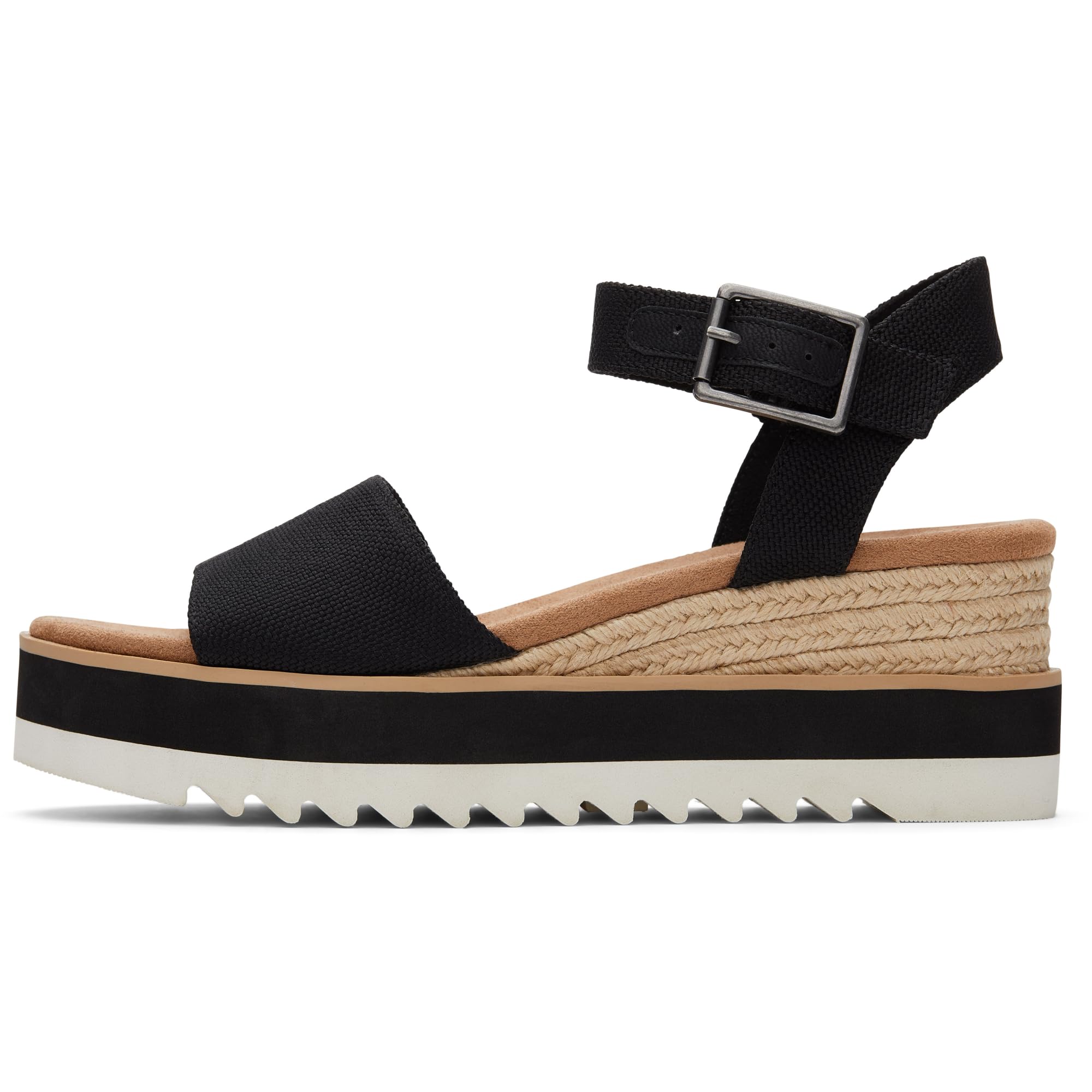
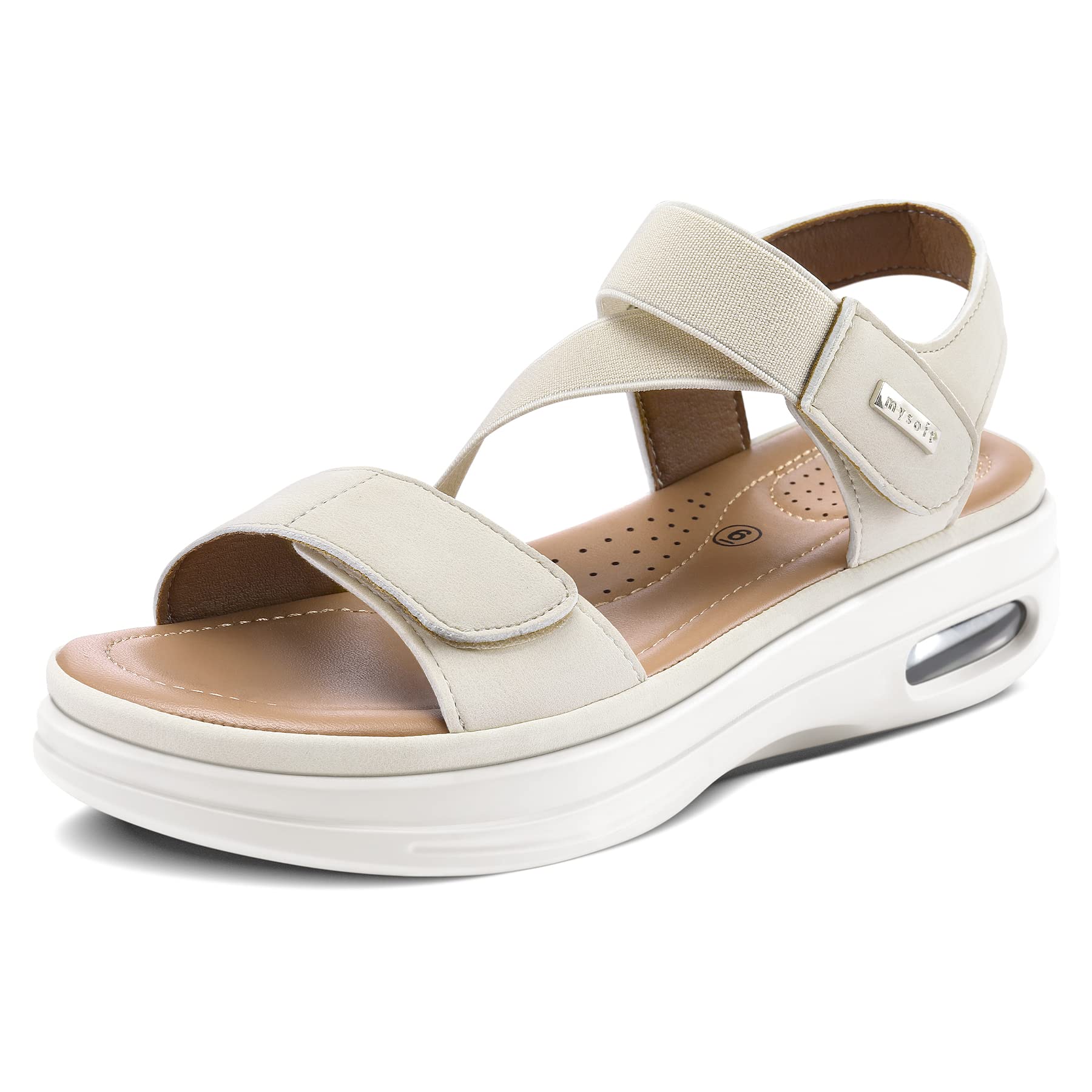
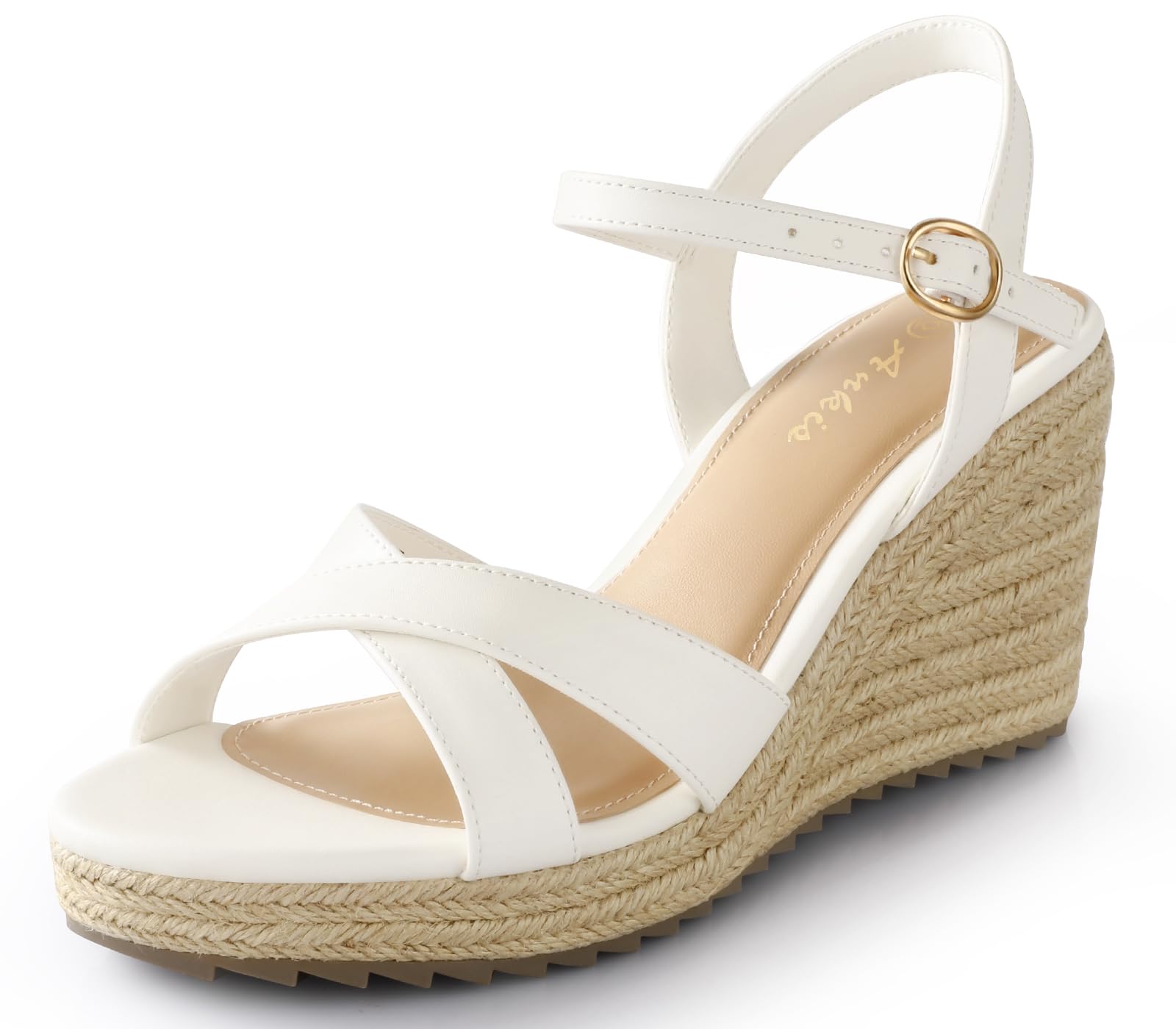
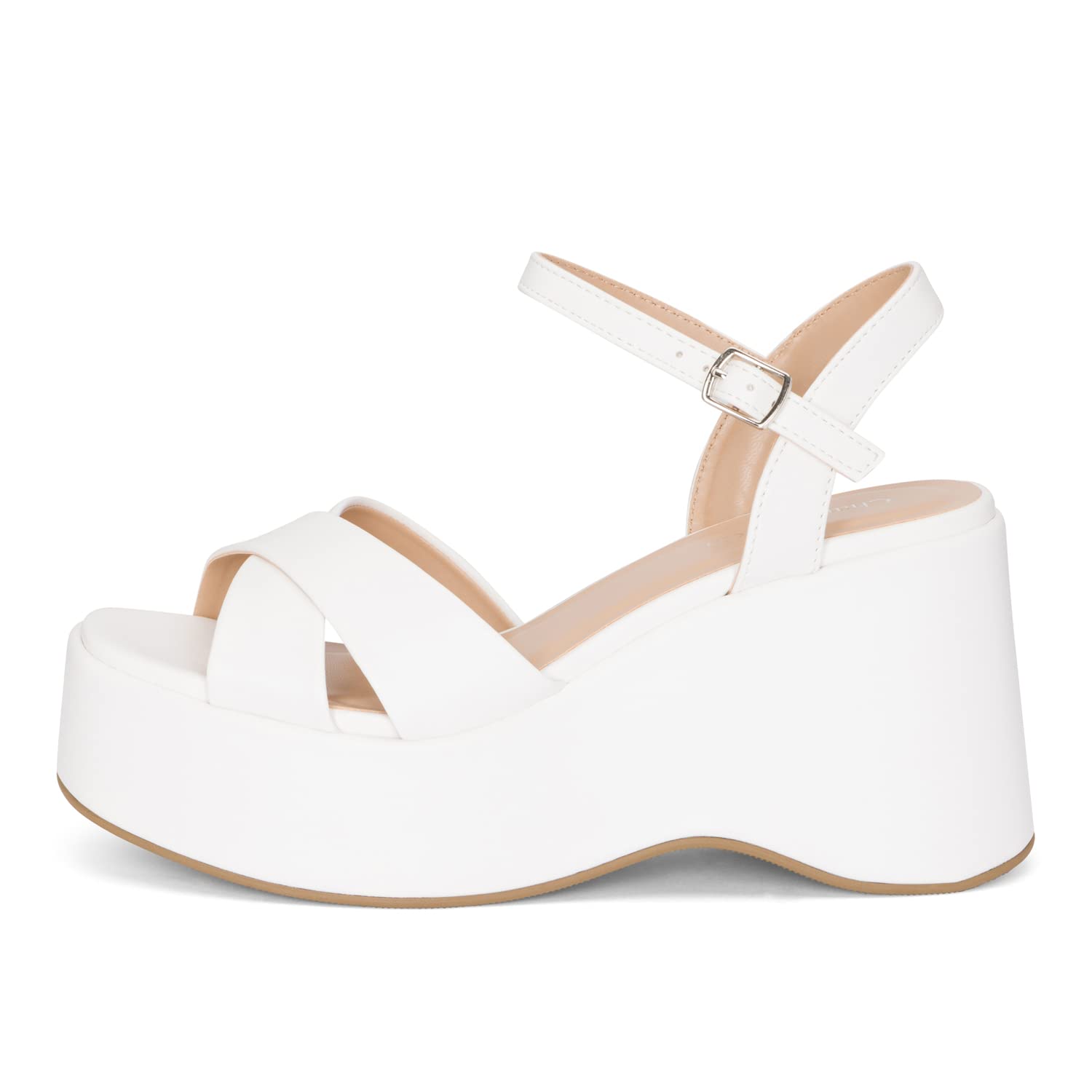
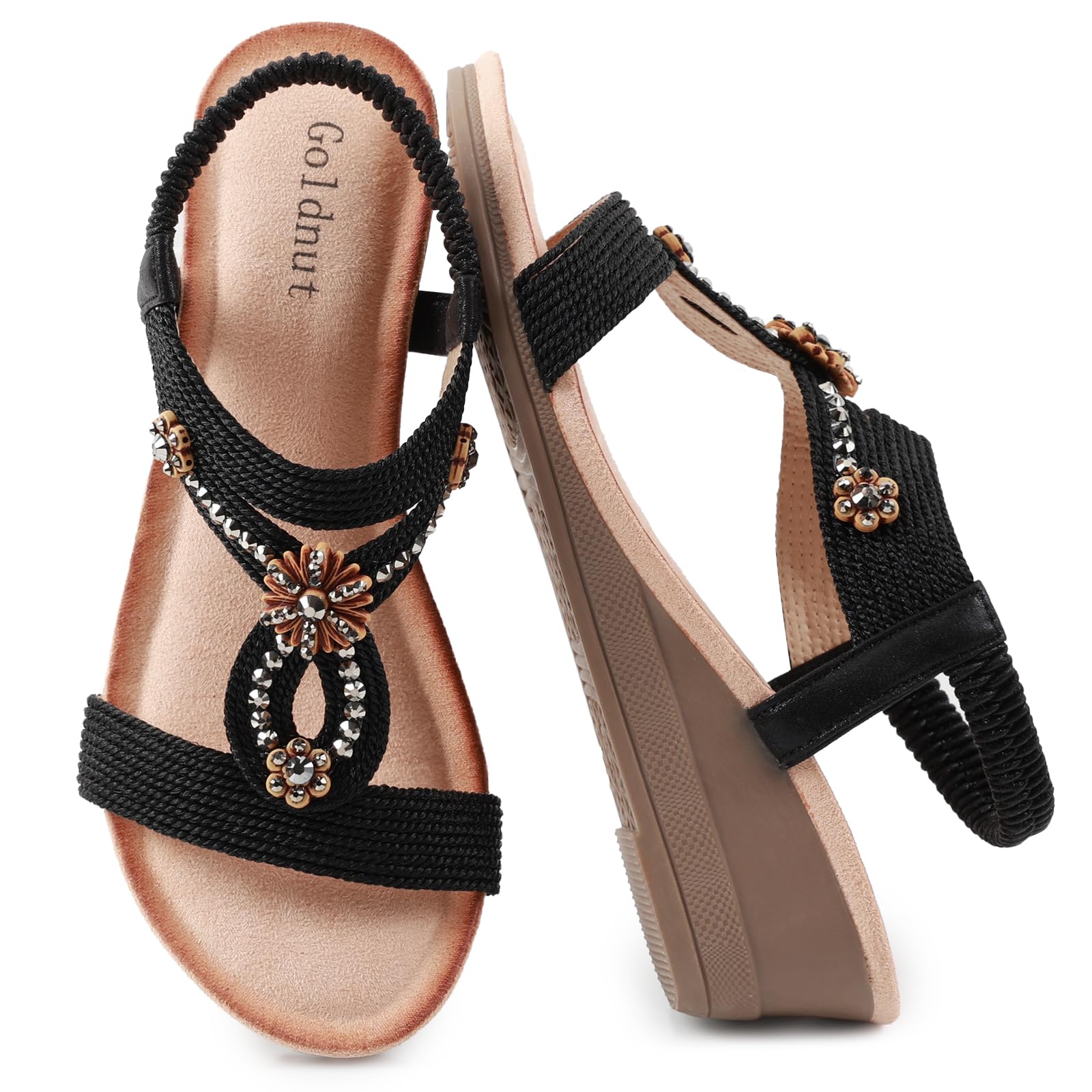
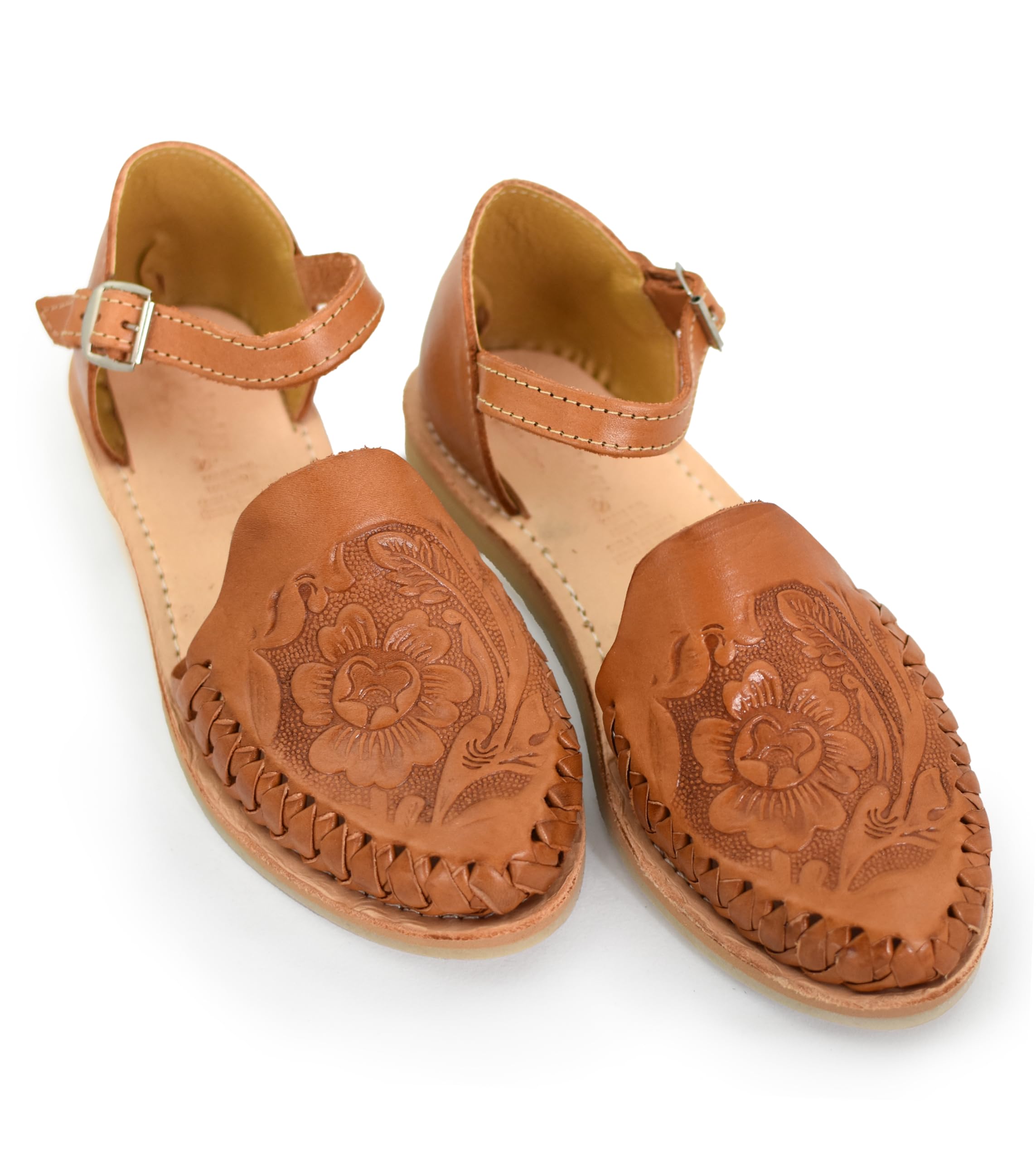
Types of Ankle Strap Sandals Compared
The three types below cover most of what you will find in stores. Price, support, and best use differ more between these types than between two pairs of the same type, so choose your type first and your color second.
Casual Flat Sandals
Flat ankle strap sandals have a low, even sole, soft straps, and a light build made for errands, lunches, and warm evenings. They pair easily with dresses and cropped pants, and most cost around $25 to $60. Their strength is freedom and airflow; their weakness is thin cushioning, which leaves feet tired on hard pavement after a few hours.
Choose flats if your walking is light and your feet tolerate minimal support. If you plan a full day of sightseeing, treat flats as a second pair in your bag rather than your main shoe, and look for a padded footbed rather than a board thin sole.
Dress and Wedge Sandals
Wedge and low heel styles lift the heel by one to three inches and use the ankle strap to hold the foot steady on the slope. A wedge spreads pressure across more surface than a narrow heel, so it usually feels steadier at events where you stand for long stretches. Expect to pay around $50 to $120 for leather uppers and a cushioned insole.
These suit weddings, dinners, and office wear in warm months. The trade off is flexibility: a stiff wedge sole bends less, so stride feels different from flat shoes, and cobblestones or grass can test your balance. Practice at home on carpet and hard floors before an event.
Supportive Walking Sandals
Walking styles build the strap into a sport sandal frame with a contoured footbed, firmer arch support, and a lugged rubber outsole. The ankle strap here is usually padded and adjustable at more than one point, which keeps the heel seated on uneven ground. Prices run around $60 to $140, and the look is more athletic than dressy, though plain leather versions blend in well.
If you want broader context on strap designs in general, the overview of best strap sandals shows how toe straps, heel straps, and ankle straps share the work of holding a sandal on your foot.
Flat vs Wedge vs Walking: Which Should You Choose?
Compare the types on five points: cushioning, stability, weight, dress range, and price. Flats win on weight and price but lose on cushioning. Wedges win on dress range and posture at events but ask more of your balance. Walking sandals win on cushioning, stability, and outsole grip, and they lose only on formality.
Your calendar should decide. A pair worn mostly for two hour outings can be a pretty flat. A pair worn for travel days of 10,000 steps or more should be a walking style with real arch support. Many people end up owning one of each, and that is a sensible outcome rather than a failure to choose. Readers focused on support can also read about best sandals for ankle support, where footbed shape and heel cup depth get a closer look.
How to Choose the Right Ankle Strap Sandal
Water Friendly Materials and Wet Grip
You rarely need full waterproofing in a sandal, but water friendly materials matter for beach trips, pool decks, and summer rain. Synthetic straps and rubber outsoles handle splashes and dry fast, while leather darkens and stiffens if it soaks often. A membrane like Gore Tex belongs to closed shoes, not open sandals, so judge a sandal by how its straps and footbed behave when wet instead.
Wet grip matters as much as drying time. Look for patterned rubber under the ball and heel, and avoid smooth leather soles anywhere near water. If wet use is your main plan, choose the sport style and accept its casual look.
Upper Materials and Breathability
Leather straps soften with wear and mold gently to your ankle, which reduces rubbing over time, but they need a short break in period and care after rain. Woven fabric and knit straps feel soft from the first wear and breathe well, though they can stretch and hold moisture longer. Synthetic straps are easy to clean and keep their shape, yet cheaper versions can feel stiff at the edges.
Check where the strap edge meets skin. A lined or rolled edge almost always beats a raw cut edge at the ankle bone, and that one detail predicts blister risk better than the material name alone.
Fit, Sizing, and Toe Box
Measure your feet late in the afternoon, when they are at their largest, and compare against the size chart for that specific style rather than your usual shoe size. Your heel should sit fully on the footbed with no overhang, and toes should not spill past the front edge or press against a toe post or strap.
The toe box should let toes lie flat and spread a little. If a style runs narrow, sizing up can add length without adding width, so a different type may fit better than a bigger size. For households shopping across genders, note that best strap sandals for men often use wider lasts and longer strap ranges, a useful reference when a unisex style feels tight.
Weight and Flexibility
Light sandals tire your legs less over a long day, but the lightest pairs often achieve their weight with thin foam that packs down within a season. A midweight walking sandal with a firmer midsole usually feels better at hour six than an ultralight flat feels at hour two. Flex the shoe in store or on arrival: it should bend at the ball of the foot, not fold in the middle of the arch.
Heel to toe drop also shapes feel. Flat sandals keep your calf in a natural position, while wedges shift load toward the forefoot. If you are new to wedges, start with a low lift and short wear times.
Break In Period and Comfort Out of the Box
Most leather ankle straps need three to five short wears before the leather eases at the ankle bone and the buckle hole settles. Wear new pairs indoors first, then for short walks, and place a small adhesive pad where any edge rubs until the strap softens. Fabric and sport straps usually feel good at once, which makes them safer for a trip that starts tomorrow.
Never plan to break in sandals during a big event or a travel day. If a pair still rubs after a week of short wears, the strap placement is wrong for your ankle, and returning it beats a season of bandages. People with fragile ankles should also compare notes in the guide to best sandals for weak ankles, and anyone with ongoing ankle pain or repeated sprains should talk with a clinician or a qualified shoe fitter about personal needs.
Tips to Get the Most From Your Ankle Strap Sandal
- Rotate two pairs: alternating pairs lets foam recover and straps dry fully, which extends the life of both pairs.
- Air dry away from heat: wet sandals should dry at room temperature, since direct heat cracks leather and warps foam footbeds.
- Clean straps monthly: a soft cloth with mild soap removes salt and sunscreen, which otherwise stiffen strap edges.
- Check buckles and hook and loop pads: grit in fasteners weakens grip, so rinse sport straps after beach days.
- Retire worn outsoles: running shoes get replaced every 300 to 500 miles, and sandals deserve the same honesty when tread smooths out or foam stays compressed.
FAQs
Do I need waterproof shoes instead of sandals?
You need closed waterproof shoes only when rain is heavy, ground is muddy, or temperatures drop. For warm weather splashes, a water friendly sandal dries faster and feels better than a soaked closed shoe. If your trip mixes trails and rain, pack the walking sandal for dry days and a closed shoe for storms, rather than asking one pair to do everything.
How should ankle strap sandals fit?
They should hold the heel without gripping it, with the strap sitting above the ankle bone and snug enough that the foot does not slide forward. You should fit one finger under the strap. Toes need a small margin at the front edge, and the widest part of your foot should align with the widest part of the footbed, not squeeze past it.
Are expensive ankle strap sandals worth it?
Higher prices are worth it when they buy a contoured footbed, lined leather straps, and a durable rubber outsole, because those parts decide comfort after months of wear. Price alone guarantees nothing, though. A costly fashion pair with a thin sole can tire feet faster than a modest walking pair, so judge the footbed and strap lining before the label.
How long is the break in period for ankle strap sandals?
Leather styles usually need about a week of short wears, totaling perhaps four to six hours, before straps ease. Sport and fabric styles often need no break in at all. A useful check is a 20 minute indoor walk: if hot spots appear that fast, add padding or reconsider the pair while returns are still easy.
Can I wear ankle strap sandals all day?
Yes, if you choose a walking or well cushioned style and your day is mostly on even ground. Rotate strap tension during the day, since feet swell and a strap set in the morning can dig by evening. If you stand on concrete for a full shift, a closed shoe with more structure may serve you better, so match the sandal to the surface and the hours.
How often should I replace my ankle strap sandals?
Replace them when the footbed stays compressed, the outsole tread smooths, or straps stretch so much that fasteners sit at their last adjustment. For daily wear that can arrive within one or two warm seasons; for occasional wear, pairs can last several years. If support fades and your feet or ankles start aching in an old pair, that is your signal, and persistent pain deserves advice from a clinician.
Final Thoughts
Pick your type first, then judge strap lining, footbed shape, and outsole grip in that order. Those choices decide whether a pair feels good at hour six, not just in the mirror. Glance back at the product table, compare your shortlist against it, and choose the best ankle strap sandals for the days you actually live.


