
Best Ankle Rain Boots in 2026: Everything to Know Before Your First Purchase
Disclosure: We may earn a commission when you buy through links on this page, at no extra cost to you. As an Amazon Associate I earn from qualifying purchases. Learn more

Best ankle rain boots explained for first time buyers: shaft height, lug depth, sock fit and common mistakes.
Buying rain boots for the first time is simpler than it looks once you know which details actually keep your feet dry. This guide walks new buyers through the basics, the specs that matter, and the mistakes that leave people with wet socks. By the end you will know how to choose the best ankle rain boots for your commute, your garden, or your dog walks. The product table lines up the main options so you can see the trade offs at a glance.
Ankle height boots are the lightest and easiest rain option, but that short shaft also sets their limits. Below you will learn how the waterproof seal works, how lug depth changes grip, and why the socks you wear change the size you should buy. Everything is written in plain language, with no product hype and no pressure to spend more than your weather demands.
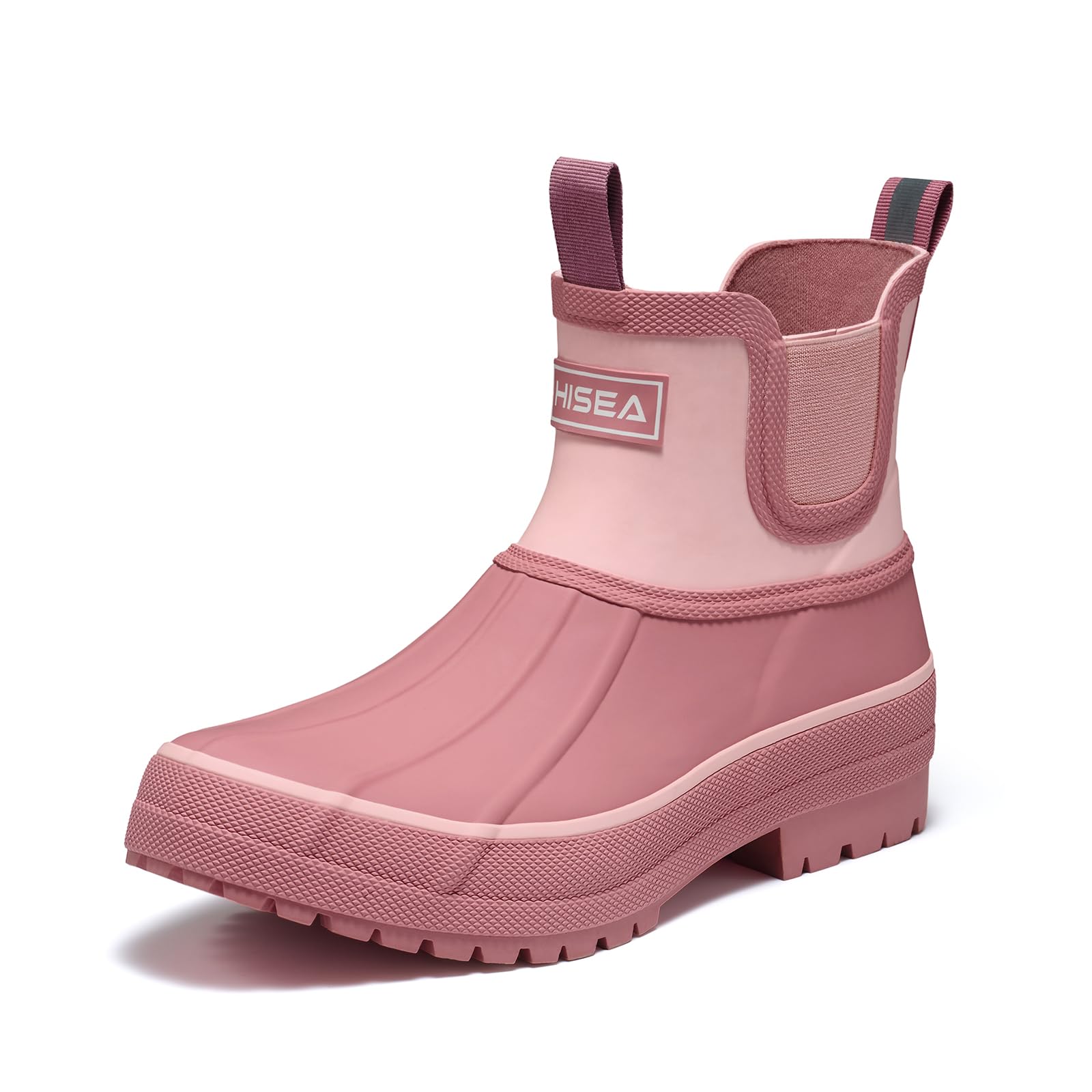

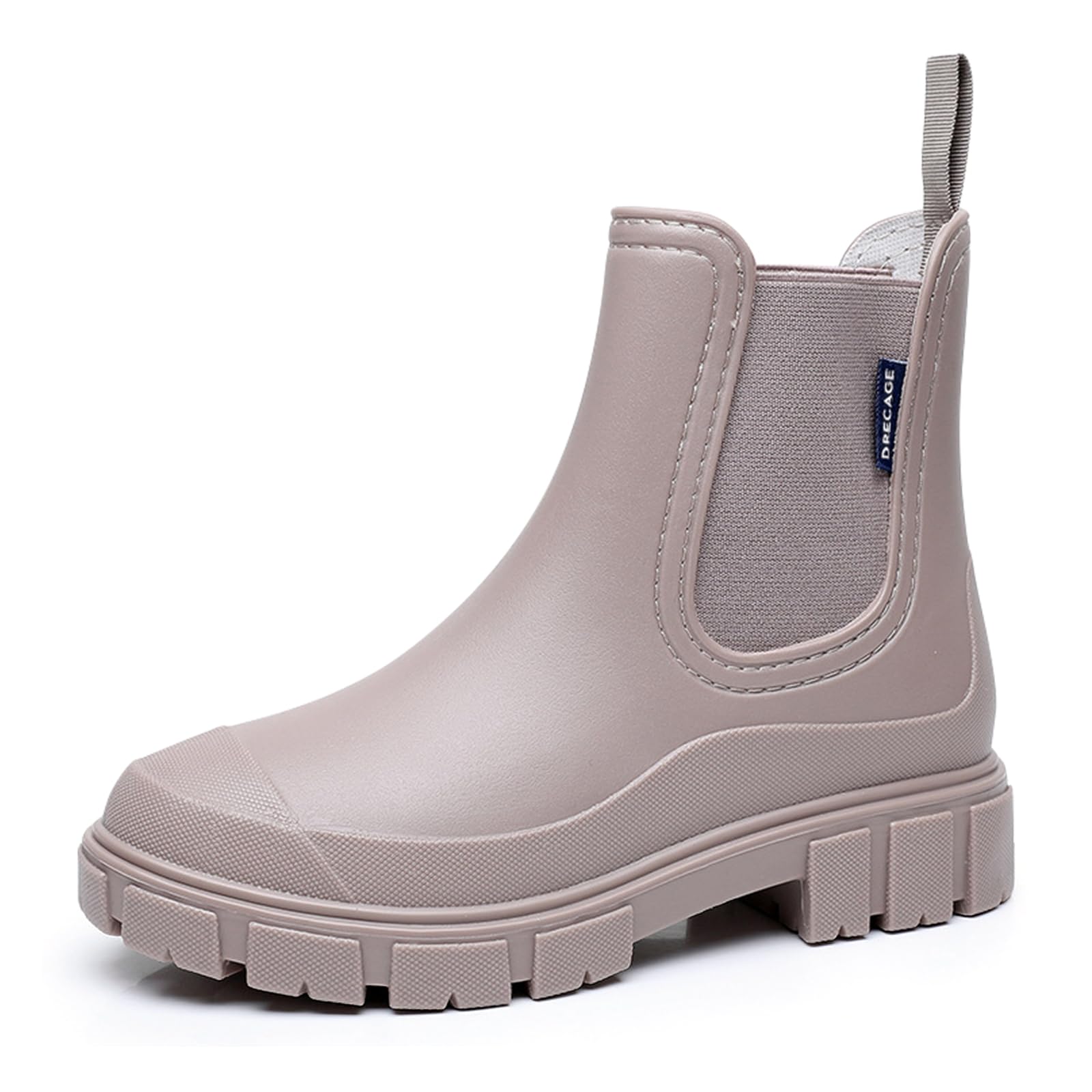


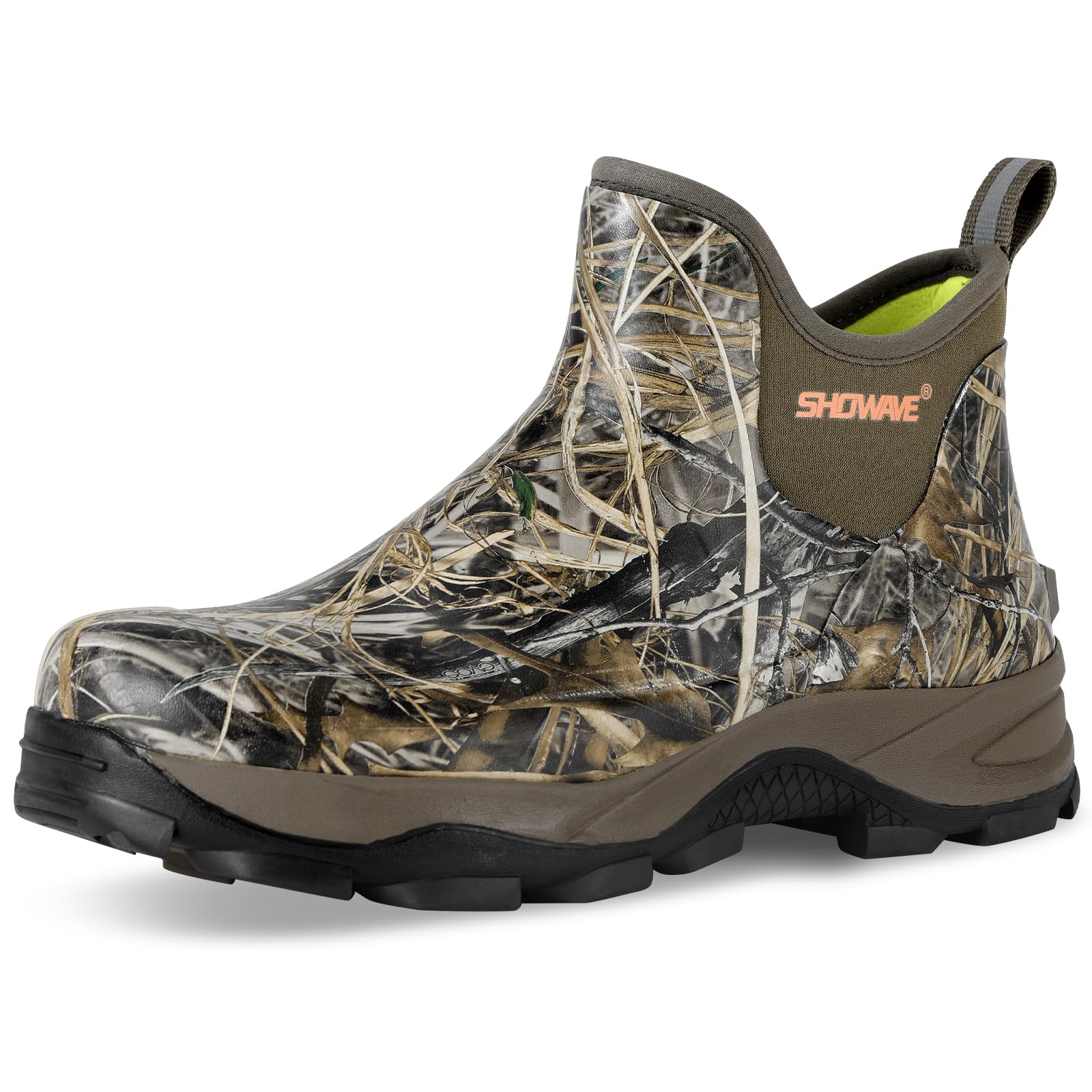
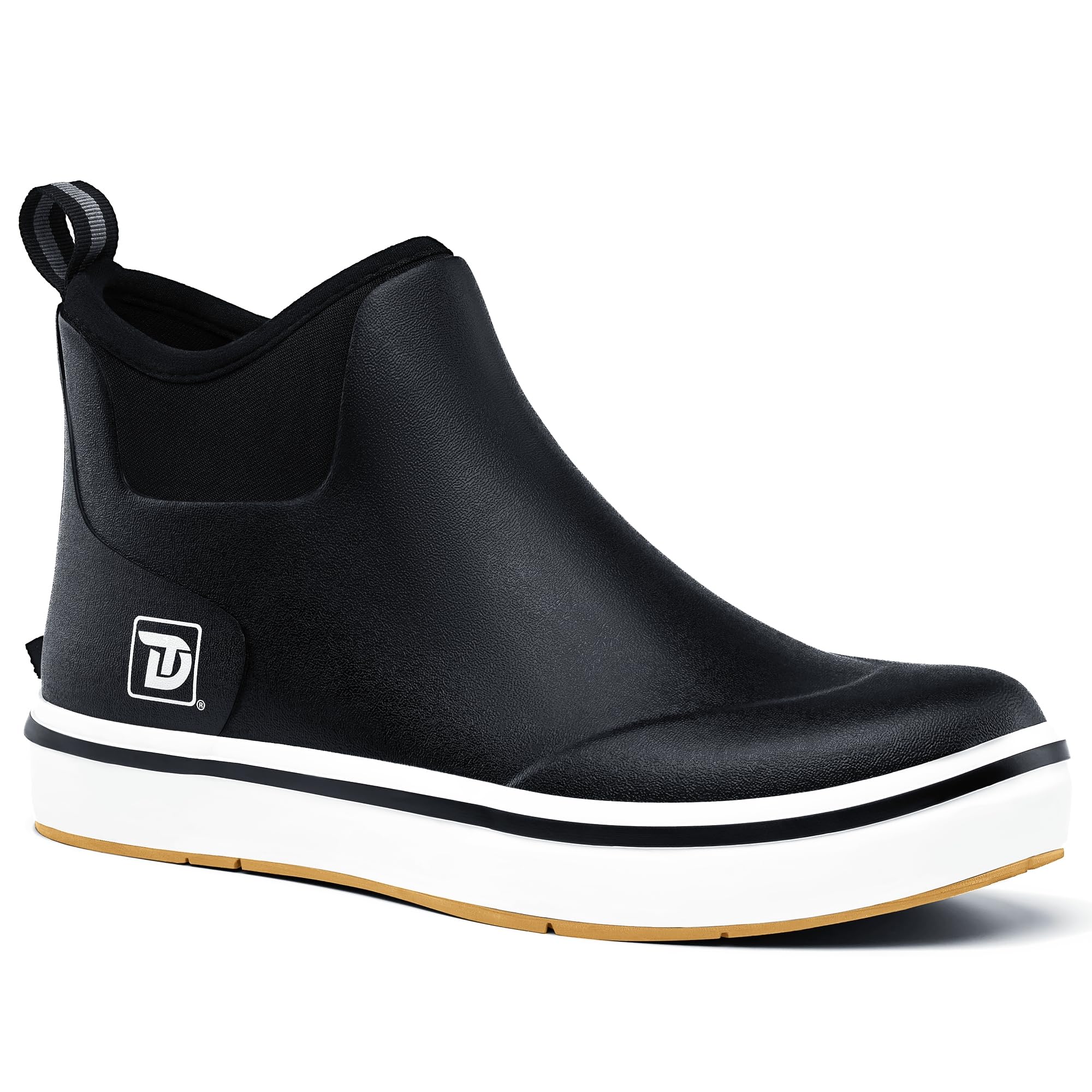
Ankle Rain Boots 101: The Basics
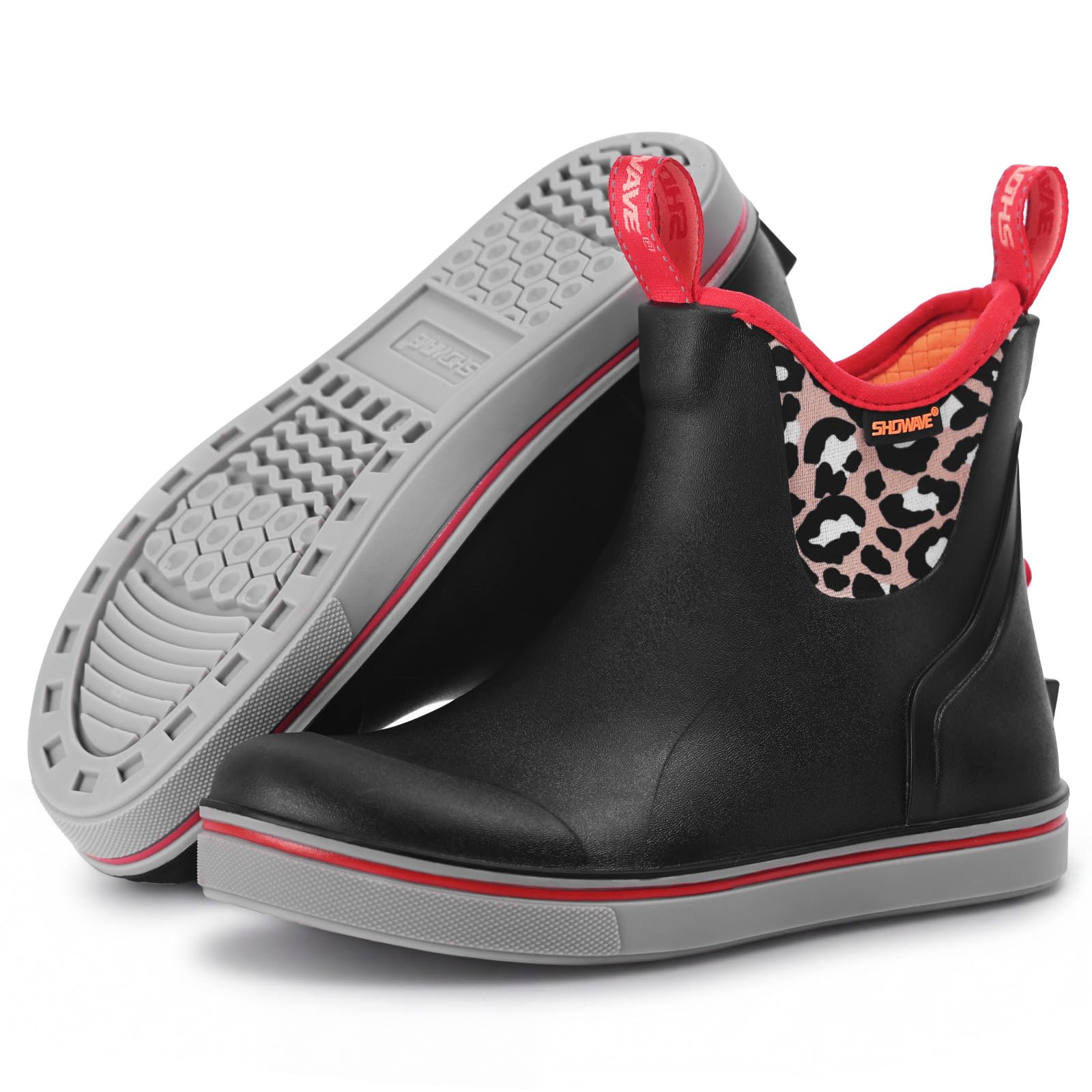
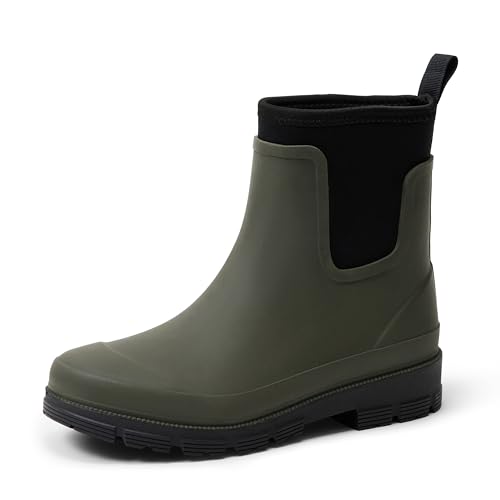
An ankle rain boot is a short waterproof boot that ends just above the ankle bone, usually with a shaft about 6 to 8 inches tall. Most are molded rubber or a rubber and neoprene mix, with a sealed shell that rain cannot pass through. You pull them on, step through wet streets and muddy paths, and your feet stay dry as long as the water stays below the top of the shaft.
The seal decides whether an ankle rain boot works, and it only goes as high as the shaft. The waterproof shell protects only up to the top edge of the boot, so a puddle deeper than the shaft lets water pour straight in over the top. Rain pants tucked outside the shaft help in steady rain, while trousers tucked inside can funnel water down into the boot. If you like the short cut but rarely face standing water, our guide to best ankle boots covers the dry weather styles this rain version is based on.
Key Specs Explained in Plain English
Five specs decide how a pair feels and performs on wet ground. They are listed here in the order most first time buyers should check them, starting with the sole and ending with how long the boots should last.
Outsole Traction and Terrain
Traction depends on lug depth and spacing, meaning the rubber blocks on the sole. Deep lugs of about 4 to 6 millimetres dig into mud, wet grass, and loose gravel, while shallow lugs of about 2 to 3 millimetres suit smooth pavement and wet tile where a fine pattern grips better. Wide spaced lugs shed mud as you walk, and a soft rubber compound grips slick stone better than a hard one. Match the lug pattern to the ground you cross most, not to the roughest ground you might meet once a year.
Fit, Sizing, and Toe Box
Fit depends on your socks, because the socks you plan to wear change the size that fits. Try boots late in the day, when feet are at their largest, and wear your thickest rain day socks for the fitting. Your toes should clear the front when you stand, and the heel may lift slightly, which is normal for a pull on rubber boot. Cuts differ by maker, so the guides to best rain boots for ladies and best rain boots for men explain the width and calf differences worth checking before you order.
Break In Period and Comfort Out of the Box
Molded rubber boots need almost no break in period, since the shell does not stretch or soften much with wear. A stiff new sole can feel board like for the first few outings, so wear the boots around the house and on one short walk before a long wet day. If a seam or the top edge rubs, a taller sock usually solves it faster than hoping the boot will change shape. What feels right on day one is close to what you will get all season.
Weight and Flexibility
A light pair suits commuting and travel, since heavy boots tire your legs on long walks across town. Stiffer, heavier builds shrug off rocky paths and garden work better, so match the weight to the ground you cross most. Flex the sole by hand before buying, because a boot that bends at the ball of the foot walks far more comfortably than one that stays flat.
Durability and Expected Lifespan
One piece molded shells outlast glued multi piece builds, because there are no seams at the flex points to split open. Check the join at the toe and heel, and flex the boot to see whether the rubber creases smoothly or shows fine cracks. Thick rubber at the heel and toe also resists scuffs from curbs and garden tools. Shoppers who want a pair that survives years of storms can compare construction grades in our guide to best quality rain boots before settling on a budget pair.
Rookie Mistakes to Avoid
- Buying a low shaft for deep water, since a fully waterproof boot still floods over the top in one deep puddle.
- Sizing up with thin socks, because thick socks later make the same pair feel a full size too small.
- Expecting grip on ice, when rain lugs are made for wet ground and polished ice defeats almost any rubber sole.
- Drying boots on a heater, since direct heat cracks rubber and warps the shell over time.
- Storing boots folded over, because a bent shaft creases, weakens, and starts to leak at the fold.
Getting Started: Setup and First Use
When the box arrives, pull the boots on with your rain socks and walk around indoors for ten minutes to spot rubbing early. Check that the top edge sits above your ankle bone and that rain pants can overlap the shaft. Keep the packaging until after your first wet walk, because sizing swaps are easiest while the soles are still clean.
After each wet outing, rinse mud off the soles, stuff the boots with newspaper if the lining feels damp, and let them air dry away from radiators and direct sun. A dry, upright storage spot keeps the rubber supple and stops odors from building up inside. A quick rinse also keeps grit from grinding into the lug pattern and dulling your grip.
Frequently Asked Questions
Do ankle rain boots keep feet dry in deep puddles?
They keep feet dry only while the water stays below the top of the shaft. Past that point, water pours in over the edge no matter how good the rubber is. One detail many new buyers miss is runoff from above, since rain running down bare legs or soaked trouser hems can wick into the boot from the top. Wear rain pants outside the shaft in heavy weather, and carry a spare pair of socks on days when deep puddles are likely.
How long is the break in period for ankle rain boots?
The break in period is short, usually one or two short walks, because molded rubber barely changes shape with wear. Most of what you feel is your feet adjusting to a stiffer sole than your everyday shoes. If a hot spot appears, a liner sock or a small patch of moleskin on the skin buys comfort while you adjust. Pain that keeps returning in the same spot means the size or shape is wrong, not that the boot needs more time.
Are expensive ankle rain boots worth it?
They can be, but only when the extra money buys better rubber, a lined interior, and cleaner molding. Basic pairs run about $30 to $60, while better built pairs run about $60 to $120. A useful way to judge value is cost per season, since a cheap pair that cracks in one winter costs more over three years than a solid pair that lasts all three. For a few rainy days a year, the basic tier is honestly enough.
How should ankle rain boots fit?
Ankle rain boots should fit snug at the midfoot with clear space in front of your longest toe when you stand. A small heel lift as you walk is normal in a pull on boot and is not a sizing fault. If you land between sizes, an added insole takes up the extra room better than a thick sock alone. Your toes should still wiggle freely, because a tight toe box makes feet cold on long wet walks.
Can I wear ankle rain boots all day?
Yes, many people wear them all day, but rubber shells do not breathe, so feet can feel warm and damp by evening. A moisture wicking sock makes the biggest difference on long days, and swapping socks at midday resets comfort fast. Lined pairs with a cushioned footbed suit all day wear better than thin unlined shells. If your day is mostly indoors with a wet commute at each end, a lighter pair is the kinder choice.
Wrapping Up
Start with the seal and its height limit, then match lug depth to your ground and fit the boots with your real rain socks. Those three checks matter more than color or price for a first pair. The product table gathers the main options in one place, so compare your short list there and pick the best ankle rain boots that fit your weather, your routes, and your budget.


