
Best Ankle Boots for Dresses: Buying Guide for 2026
Disclosure: We may earn a commission when you buy through links on this page, at no extra cost to you. As an Amazon Associate I earn from qualifying purchases. Learn more

Best ankle boots for dresses: how heel height, shaft fit and materials work with every hemline, with care tips.
An ankle boot can make a dress look polished or leave the outfit feeling cut off at the wrong spot, and the difference comes down to heel height and where the shaft ends on your leg. The best ankle boots for dresses balance those two points first, then add comfort for a full day on your feet. This guide explains each factor in plain terms so you can match a boot to the dresses you already own. The product table shows the main styles side by side.
Start with the heel and the shaft, because those two choices decide whether the boot flatters a hemline. Fit, materials, and grip come after.


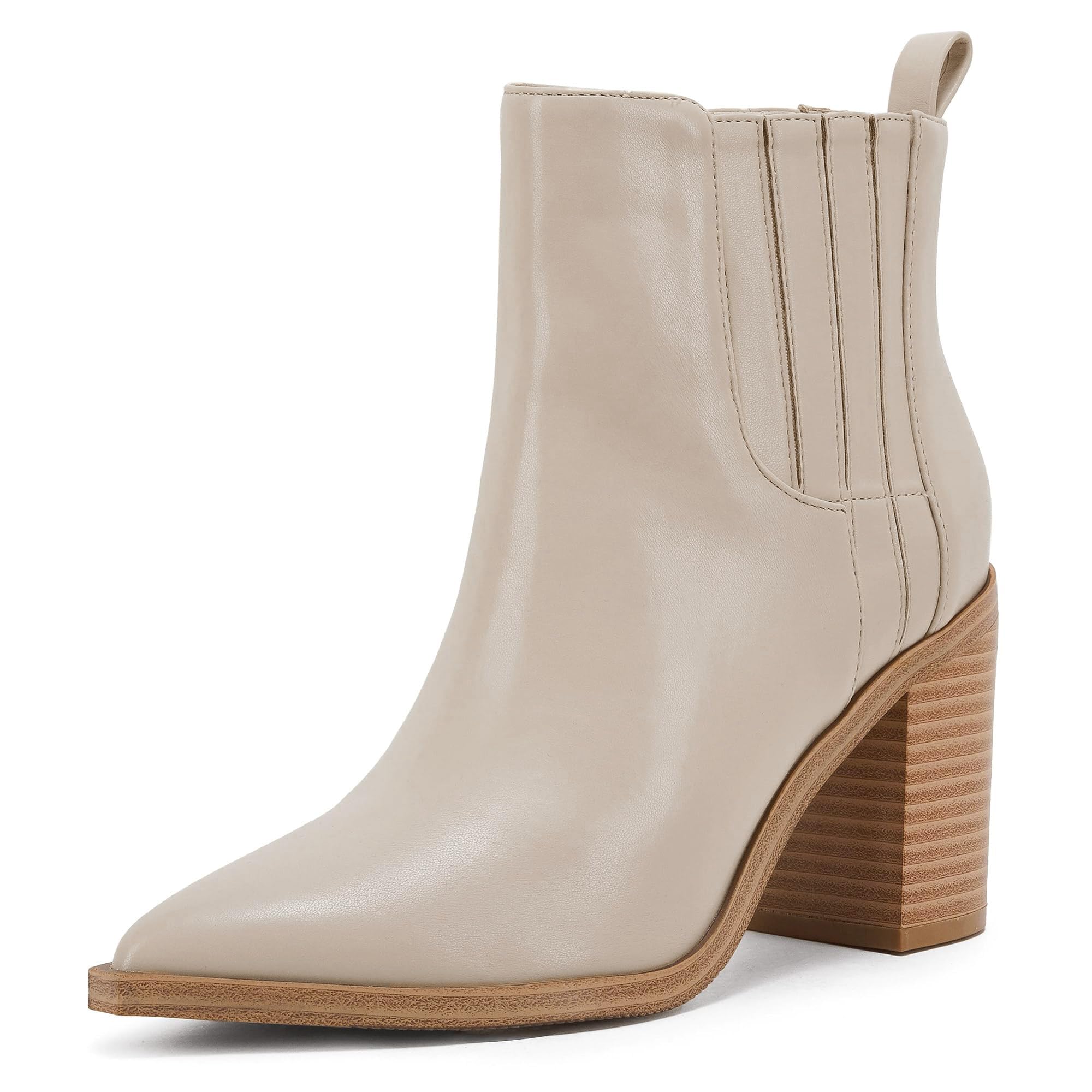
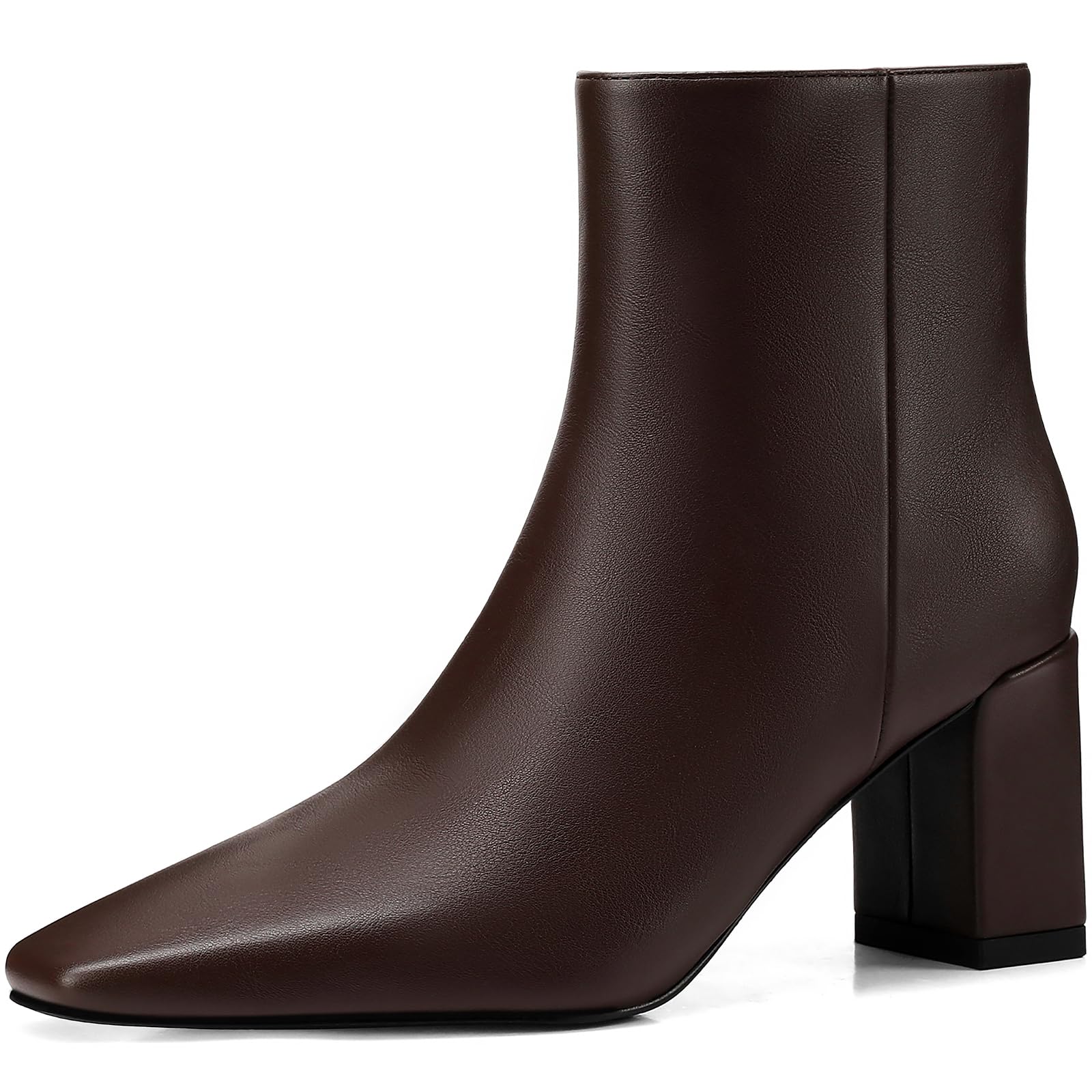

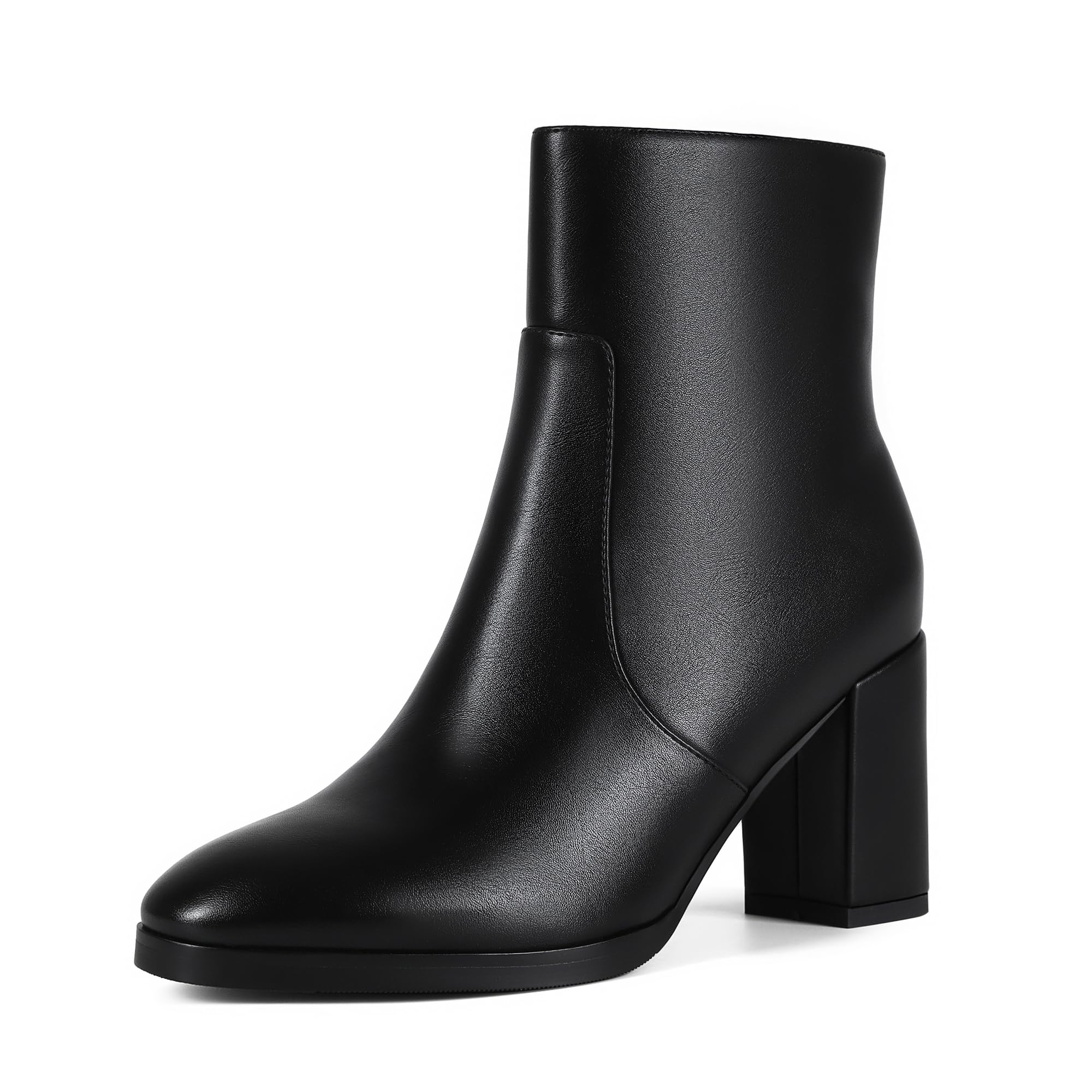


How to Choose: The Factors That Matter
Heel Height Sets the Whole Look
The heel governs how formal the outfit reads, so choose it before you look at colors or materials. A low heel of about 1 to 2 inches pairs with daytime dresses and keeps walking easy across a long day. A mid heel of about 2 to 3 inches lifts the leg line and suits most work and dinner dresses.
A heel above about 3 inches reads as evening wear and shortens the time you can stand comfortably. A block heel spreads your weight over a wider base and feels steadier than a narrow stiletto heel of the same height.
Shaft Height and the Ankle Line
The shaft should end where your ankle narrows, because a top edge that cuts across the widest part of the calf makes legs look shorter. Most dress friendly boots have a shaft of about 4 to 6 inches, ending right at or just above the ankle bone. A dipped or notched front opening softens the line against bare legs and works well with midi and knee length dresses.
If you wear tights through the colder months, check that the opening leaves a small gap rather than pressing into the leg. Compare the shaft heights in the product table before you settle on a pair.
Fit, Sizing, and Toe Shape
Try boots on in the afternoon, when your feet are at their largest, and wear the socks or tights you plan to pair with them. Your heel should stay seated with only slight lift as you walk, and your toes need room to spread without pressing the front. A pointed toe looks sharp with dresses but narrows the space for your toes, while an almond toe gives a similar line with more comfort. Readers comparing plainer everyday styles often start with the guide to the best ankle boots and then narrow down to dress shapes.
Upper Materials and Finish
Smooth leather is the most versatile finish for dresses, since it reads polished with both office and evening outfits and wipes clean with a cloth. Suede softens the look and pairs well with knit and floral dresses, but it marks in wet weather and needs a protector spray. A stretch fabric or elastic side panel hugs the ankle closely, which keeps the line clean under a hem.
Matte finishes blend quietly with patterned dresses, while a slight shine lets a plain black dress carry the outfit.
Outsole Traction and Walking Comfort
A dress boot still has to walk on wet pavement, office floors, and the odd gravel path, so look at the sole before you buy. A thin rubber layer over the sole adds grip that a smooth leather sole cannot match, and a shallow tread pattern keeps the profile slim. Cushioning inside the boot matters on days that mix standing and walking, and a padded insole you can swap out extends the comfort of a favorite pair. If you lean toward taller formal styles, the guide to the best dress boots covers knee high shapes that share the same heel rules.
Weight and Flexibility
A lighter boot keeps a flowing dress feeling easy, while a stiff, heavy boot can drag the whole outfit down. The boot should flex where your foot bends, at the ball, and stay firm through the heel counter so your ankle feels supported. Heavy lug soles belong on work and trail boots, not on pairs meant for dresses. When you hold the boot, check that the sole bends without cracking sounds and that the upper folds without sharp creases across the toes.
Main Types of Ankle Boots for Dresses
Classic Heeled Ankle Boots
The classic heeled boot, with a slim or block heel of about 2 to 3 inches and a clean shaft, is the safest match for work dresses, sheath dresses, and dinner outfits. It lengthens the leg line and works across the most hem lengths. The trade off is comfort over long distances, so save the tallest versions for days with limited walking. Readers building a full dress rotation may also browse the best boots with dresses for taller and shorter pairings beyond the ankle.
Flat and Chelsea Style Boots
Flat ankle boots and Chelsea styles with elastic side panels suit casual dresses, sweater dresses, and weekend wear. They trade the leg lengthening lift of a heel for all day ease, and the close fit keeps the ankle line neat. A slight platform sole of about half an inch adds presence without a real heel. Men shopping for formal footwear follow the same shaft and heel logic in the guide to the best dress boots for men, though the shapes and sizing differ.
Weather Ready Dress Boots
Weather ready pairs add sealed seams and water resistant leather so a rainy day does not force a change of outfit. They look slightly sturdier than evening styles, with a chunkier sole and a more matte finish. Choose them for commutes and travel days when you still want to wear a dress. Keep one polished pair for dry days, since the treated finishes rarely shine up to the same level.
How to Make Your Ankle Boots Last Longer
- Rest each pair for a full day between wears, because leather needs time to dry out and hold its shape.
- Air dry wet boots at room temperature away from direct heat, and stuff them with paper to keep the shaft upright.
- Brush suede after each wear and refresh the protector spray at the start of each wet season.
- Walk tall in the house first with new pairs, since short indoor sessions soften the leather where your foot bends.
- Have a cobbler add thin rubber sole protectors, because the front sole wears fastest on heeled dress boots.
Frequently Asked Questions
What heel height works best with most dresses?
A heel of about 2 to 3 inches works with the widest range of dresses, from knee length work styles to midi evening dresses. It lifts the leg line without making long walks painful. Go lower, at about 1 to 2 inches, for days spent mostly on your feet.
Save heels above 3 inches for short events. A block heel at any of these heights feels steadier than a narrow heel when you walk on uneven ground.
Where should the shaft of an ankle boot end?
The shaft should end at the narrowest part of your ankle, usually just above the ankle bone, with a shaft height of about 4 to 6 inches. An opening that stops higher, at the widest part of the calf, tends to shorten the look of the leg. A dipped front edge softens the line further against bare skin. With tights, leave a slim gap so the edge does not dig in as you move through the day.
Can ankle boots be worn with long maxi dresses?
Yes, ankle boots work with maxi dresses when the hem falls close to the top of the shaft, leaving little or no skin showing between fabric and boot. A heeled boot keeps a long skirt from pooling on the ground. Choose a smooth finish so the hem slides over the boot instead of catching on buckles or rough suede. In warm weather, a lighter colored boot keeps the pairing from looking heavy.
How long does the break in period take for leather ankle boots?
Most leather ankle boots soften within about three to five wears, starting with short outings of an hour or two. The leather gives first across the toes and around the ankle bone. Wear thicker socks during the first sessions to ease pressure points.
If a spot still rubs after five wears, the size or shape is likely wrong rather than the leather being stubborn. Suede and fabric uppers need almost no break in at all.
Do ankle boots for dresses need to be waterproof?
No, a dress boot does not need full waterproofing unless you commute or travel in wet weather often. A water resistant finish and sealed seams handle light rain and splashes well enough for most dress days. Full waterproof builds look sturdier and less polished, which limits evening use. Many readers keep one weather ready pair for wet days and one sleeker pair for dry days, rather than asking one boot to do both jobs.
The Bottom Line
Match the heel to the occasion, end the shaft at the narrow part of the ankle, and pick a finish that suits your dresses. The best ankle boots for dresses for your wardrobe are the pair that passes those three checks and stays comfortable past the first hour. Look back at the product table, compare shaft heights and heel heights, and choose with your most worn dress in mind.


