
Best Animal Slippers for Adults: Buying Guide for 2026
Disclosure: We may earn a commission when you buy through links on this page, at no extra cost to you. As an Amazon Associate I earn from qualifying purchases. Learn more

A buying guide to the best animal slippers for adults: fit, cushioning, materials, traction, sizing, and care for cozy daily wear.
Animal slippers look playful, but a pair that fits poorly will spend the season in a closet. Adult feet need a roomy toe box, real cushioning, and a sole with grip, not just a cute face on the front. This guide to the best animal slippers for adults shows you how to judge fit, support, and materials before you buy. Use the comparison table below to spot the styles that match your home, then read on for the details that photos cannot show.

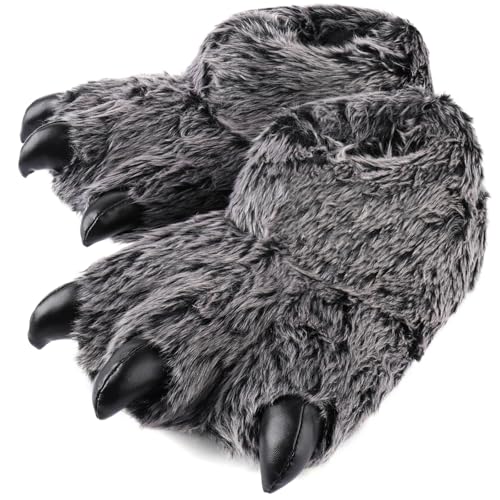
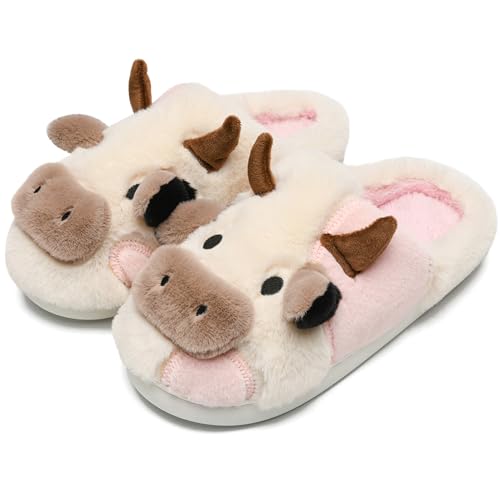


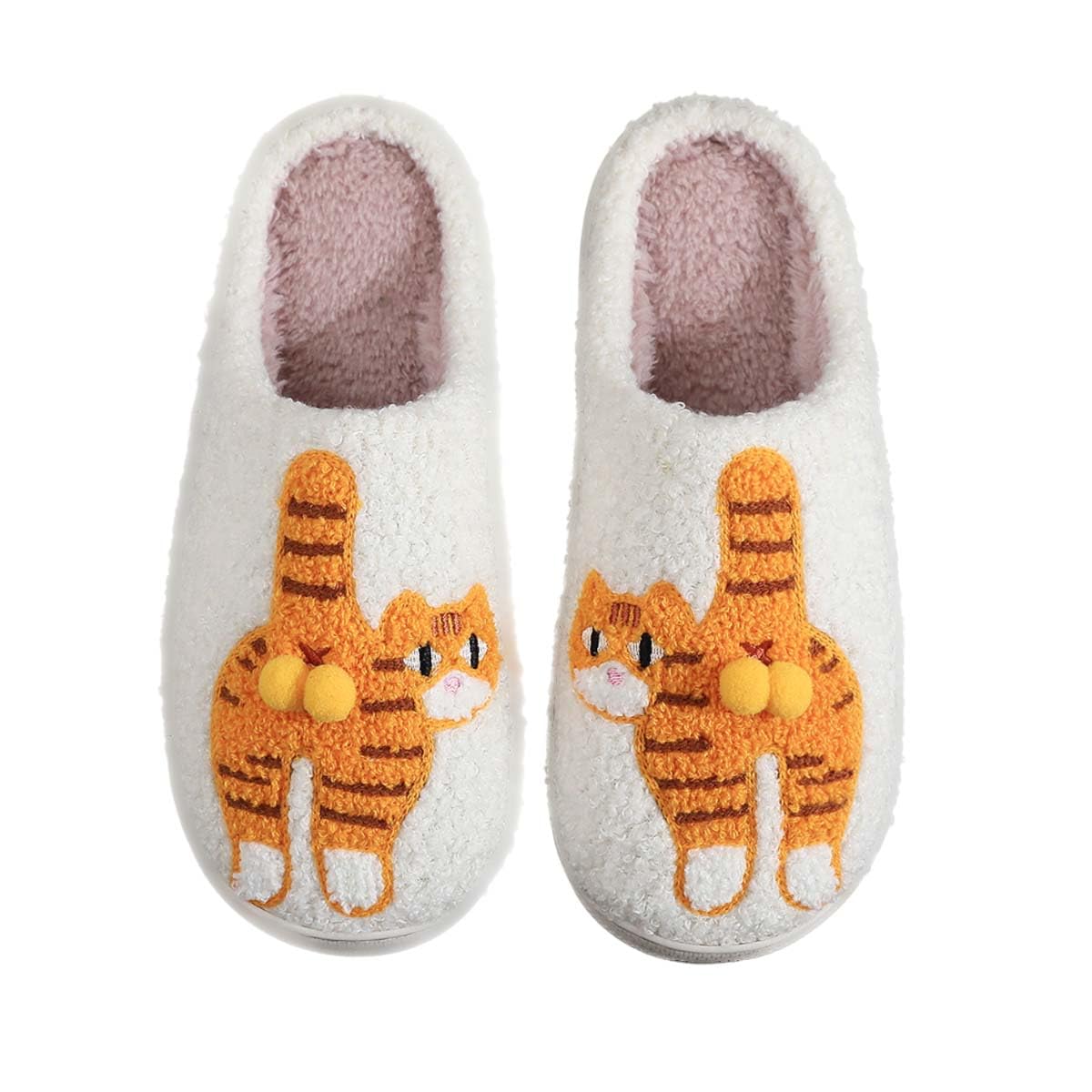


Three Ways to Shop: Everyday, Value, and Premium Tiers
Price tiers in this category mostly reflect materials and sole construction. The guidance below replaces any named picks with what each tier usually delivers, so you can judge any listing in the product table above on equal terms.
Everyday Comfort Tier
Mid priced pairs, often around $30 to $60, usually give you the best balance for daily wear. Expect a thicker foam footbed, a closed back that keeps your heel in place, and a rubber outsole you can wear to the mailbox. The animal design is normally stitched or molded rather than glued on as a loose plush piece. For most adults who wear slippers for a few hours each evening, this tier covers warmth, grip, and durability without paying for premium natural materials.
Value Tier
Budget pairs, often under $30, suit occasional use, guest rooms, travel, and gifts where the fun design matters most. The trade off is thinner cushioning that flattens within a season, softer soles meant only for indoor floors, and sizing that runs less consistent between batches. Check the return policy before you order, and size up if you plan to wear thick socks. A value pair can be a smart buy for a holiday photo or a dorm room, as long as you do not expect it to support long days on hard floors.
Premium Tier
Premium pairs, often about $60 to $100, tend to use wool, sheepskin, or dense fleece linings, plus a firmer footbed with some arch support. Seams are usually stronger, ears and tails are reinforced, and replacement insoles may be available. This tier makes sense if you work from home, stand on tile or wood for long stretches, or want one pair to last several winters. Read the care label closely, since natural linings often need air drying and gentle cleaning rather than a full machine wash cycle.
How to Choose Animal Slippers for Adults: A Buying Guide
Features That Matter for Adults
Adult slippers carry more weight and more hours of wear than kids versions, so construction matters more than the character on the toe. Look for a footbed at least about half an inch thick, a heel cup that keeps your foot centered, and stitching you can see and feel. Flexible novelty designs are fine for short wear, but daily use calls for support. If you want a broader starting point, see our guide to the best slippers for adults for plain styles with similar construction.
Fit, Sizing, and Toe Box
Measure your feet in the afternoon, when they are at their largest, and compare the length in inches or centimeters with the brand size chart rather than trusting your usual shoe size. Your toes should not press against the front or curl under the animal head, which can add bulk inside the toe box. Leave about a thumb width of space, and remember that plush lining compresses over the first week. If you fall between sizes, size up, especially for closed bootie styles that trap heat and leave less room for socks.
Cushioning and Support
Good cushioning absorbs impact on hard floors without feeling unstable. Memory foam feels soft at first but can bottom out under adult weight, so a denser foam or a layered footbed usually holds up better. A slight heel to toe drop, similar to a casual shoe, helps your foot roll naturally as you walk around the house. Press your thumb into the heel area of a photo or sample if you can. If the footbed looks paper thin at the heel, expect sore feet after a full evening of cooking and chores.
Upper Materials and Breathability
Plush polyester and fleece uppers feel warm and hold bright colors well, and they are usually the easiest to wash. Wool blends breathe better and manage odor, which helps if your feet run warm. Knit uppers stretch for wider feet but may sag over time. Breathability matters more than many buyers expect, because a fully sealed plush lining can make feet sweat, and damp lining wears out faster. If you tend to overheat, choose an open heel or a shorter pile lining and wear thin socks to manage moisture.
Outsole Traction and Terrain
The outsole decides where you can safely wear the slippers. Thin fabric soles belong on carpet only and can slip on tile. A rubber or rubber like outsole with a tread pattern gives grip on wood, tile, and a quick trip to the porch. Deeper texture helps on smooth floors, but very chunky soles add weight and can catch on rug edges. This is a practical safety point for anyone carrying laundry or hot drinks. Older family members in particular benefit from grip and a closed back, a topic covered in our guide to the best slippers for older adults.
Arch Support and Foot Type
Most novelty slippers are neutral, meaning the footbed is fairly flat and suits average arches for short wear. If you have flat feet or your ankles roll inward, look for a contoured footbed with a raised arch area and a firm heel cup for stability. High arches do better with generous cushioning that fills the midfoot. Anyone with ongoing foot pain, plantar heel pain, or diabetes related foot concerns should treat slippers as footwear, not a costume, and ask your doctor or a podiatrist which support features suit their feet before buying.
Types of Animal Slippers
Closed Back Moccasin Styles
These wrap the whole foot and stay on when you climb stairs or move quickly around the house. They are the warmest option and the best fit for people who dislike the feeling of a slipper sliding at the heel. The animal face usually sits on top of a sturdy toe, so the design survives daily wear well. Choose this style for cold floors and long evenings.
Slip On Clog Styles
Clog styles have an open back, so they go on and off in seconds. They suit quick trips to let a pet out, take out trash, or grab the mail. The open back vents heat, which warm sleepers appreciate, but your heel can lift with each step, so they are a poor match for stairs or for anyone unsteady on their feet. A raised back lip offers a useful middle ground.
Bootie Styles
Bootie slippers rise above the ankle and keep lower legs warm, which makes them a favorite in drafty houses and for camping cabins. The taller plush body gives designers room for ears, horns, and tails, so this style often looks the most playful. The trade off is heat and bulk. Booties can feel too warm in mild weather and may not fit well under wide leg pants. Check ankle opening size if you have wider calves.
Open Toe and Lightweight Styles
Lightweight animal slippers with an open toe or thin lining suit summer evenings and warm climates. Airflow keeps feet dry, and the thinner sole makes the pair easy to pack for travel. You give up warmth and cushioning, so these are a second pair for many households rather than the main winter pair. Shoppers who like a general overview can also browse our guide to the best animal slippers for styles across age groups.
How to Make Your Animal Slipper Last Longer
- Air dry after wear. Stand slippers upright in open air for a few hours so lining moisture escapes, and keep them away from direct heat that can crack soles and melt glue.
- Rotate two pairs. Alternating days lets foam recover its shape and gives each pair time to dry fully, which slows odor and lining wear.
- Wash only as directed. Many plush designs are surface wash only. If machine washing is allowed, use cold water, a gentle cycle, and a laundry bag to protect ears and eyes.
- Keep soles clean. Wipe grit off rubber outsoles weekly, since trapped grit scratches floors and grinds down tread.
- Store them dry and unstacked. Heavy stacking crushes plush shapes and bends decorative parts out of place.
Animal Slippers: Your Questions Answered
What features matter most in animal slippers for adults?
Fit, sole grip, and footbed thickness matter most, because they decide comfort and safety during daily wear. After those, check lining warmth against your climate and how the decorative parts are attached. One extra check many buyers skip is the weight of the pair. Heavy plush designs can tire your feet during a full day at home, so lighter construction often wins for all day use.
How should animal slippers fit?
Animal slippers should feel snug at the heel with clear space in front of your toes. A small amount of lining compression is normal in the first week, so a pair that feels slightly roomy at first often settles well. If your toes touch the front on day one, exchange the size, because plush rarely stretches lengthwise. Trying pairs on in the evening, with the socks you plan to wear, gives the most honest fit.
How often should I replace my animal slippers?
Replace them when the footbed stays flat after a night of rest, the tread looks smooth, or the heel starts to collapse to one side. For daily wear that is often every one to two years, sooner for thin value pairs. A simple test is to set the pair on a flat surface and look from behind. A leaning heel means the support is gone, even if the animal face still looks new.
Are expensive animal slippers worth it?
Expensive pairs are worth it when the higher price buys natural lining, a firmer footbed, and stronger stitching that you will use every day. They are not worth it for a one time party or photo. Compare cost per season instead of sticker price. A pair that lasts three winters with daily wear can cost less over time than a thin pair replaced each year, and it will feel better in the second and third winter too.
How long is the break in period for animal slippers?
Most plush slippers need about three to seven days of regular wear for the lining to compress and mold to your foot. Stiff moccasin styles may need up to two weeks. Wear them for short periods at first if your feet are sensitive. If pinching or heel rubbing continues after two weeks, the issue is sizing or shape, not break in, and a return or exchange is the right move.
Do I need waterproof animal slippers?
You need water resistance only if you regularly step outside in them, for example on a wet porch or a dewy lawn. A rubber outsole handles damp surfaces, but plush uppers soak through quickly and take a long time to dry. Truly waterproof animal slippers are rare, so most buyers do better with a grippy rubber sole and a habit of changing into shoes for wet yard tasks.
Can I wear animal slippers all day?
You can wear supportive pairs all day at home, as long as the footbed has real cushioning and the fit keeps your heel stable. Thin novelty pairs are better for a few hours, since flat soles can leave arches and heels sore by evening. Stand up and walk around when you try a new pair. If you feel the floor through the heel with each step, reserve that pair for short wear.
Our Verdict
Start with fit and sole grip, then choose warmth and style. A roomy toe box, a footbed that stays supportive, and a rubber outsole will serve you better than the cutest face on a flimsy pair. Match the tier to your hours of wear, check the comparison table above once more, and the best animal slippers for adults for your home will be an easy call. For women specific cuts and sizing notes, see our guide to the best slippers for women.


