
Best Ancient Greek Sandals for 2026: What Actually Matters Before You Buy
Disclosure: We may earn a commission when you buy through links on this page, at no extra cost to you. As an Amazon Associate I earn from qualifying purchases. Learn more

Which are the best ancient greek sandals? Check fit, leather quality, cushioning and arch support before you buy for travel or all day wear.
Ancient Greek sandals have a simple, timeless shape: a flat or lightly cushioned sole, leather straps that cross or wrap the foot, and nothing unnecessary. That simplicity makes quality easy to judge once you know what to check. This guide gives you a clear checklist for judging the best ancient greek sandals, so you can separate a pair that molds to your feet from a pair that falls apart by midsummer.
We will work through fit, materials, support, and durability, then turn those criteria into three buyer profiles and a quick pre purchase checklist. Keep the comparison table below nearby and compare each candidate against the same points in the same order.


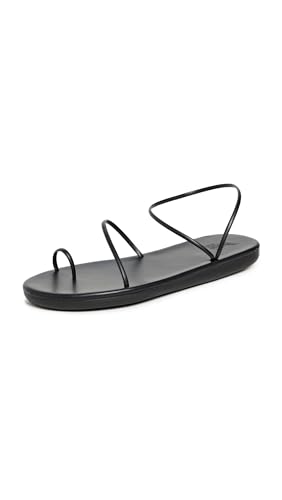


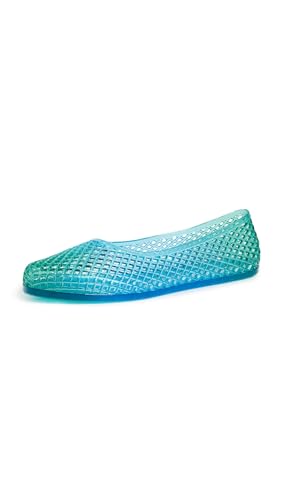
How to Evaluate Ancient Greek Sandals
Every sandal in this style is judged on the same six criteria below. A pair does not need to win all six, but it should never fail the first one, because a Greek sandal that fits badly cannot be fixed by good leather or a low price. Travelers comparing pairs in person may also enjoy our guide to the best greek sandals athens, which focuses on buying in the city where this style began.
Fit, Sizing, and Toe Box
Measure your feet late in the afternoon, when they are at their largest, and match the measurement to the maker's size chart rather than your usual shoe size. Your heel should sit fully on the footbed with a small margin of sole visible, and your toes should never hang over the front edge. The toe box area should let your toes lie flat and spread naturally, since Greek sandals have no upper structure to hide a cramped fit.
Straps should hold the foot without digging in. If a strap crosses a bone and presses hard while you stand still, it will hurt more after an hour of walking. Walk on a hard floor at home before deciding, because soft carpet hides pressure points that pavement will reveal quickly.
Weight and Flexibility
A good Greek sandal is light enough to forget in a beach bag yet stiff enough to protect your foot from sharp gravel. The sole should flex at the ball of the foot, where your foot naturally bends, and stay firm under the heel. A sole that folds easily in the middle usually feels soft on day one and tiring by week two.
Very thin soles suit smooth streets and short walks, while slightly thicker soles with a defined tread cope better with cobblestones and long sightseeing days. If you plan to walk for hours, treat sole thickness as protection you will be grateful for by evening, not as a style flaw.
Upper Materials and Breathability
Full grain or vegetable tanned leather is the classic upper material because it softens, darkens, and shapes itself to your foot with wear. It breathes well in heat, so feet stay drier than in synthetic straps. Thin corrected leather and plastic straps look similar in photos but tend to crack at flex points and stay stiff.
Check strap edges as well as strap faces. Smooth, burnished edges slide over skin without sawing at it, while rough cut edges are a common source of blisters. A simple check is to run your thumb along the underside of each strap: if it feels scratchy in the shop, it will feel worse on warm skin.
Cushioning and Support
Traditional Greek sandals are nearly flat, with little heel to toe drop and firm cushioning that keeps you close to the ground. That feel is pleasant for short walks and healthy feet, but a completely flat, hard sole offers little shock absorption on concrete. A thin foam layer or a molded footbed under the leather adds comfort without changing the classic look.
Stability comes from strap placement as much as from the sole. Straps that anchor near the heel and across the midfoot stop the foot sliding forward on slopes. If your feet tire quickly in flat shoes, choose a version with a slightly raised heel cup and firmer midfoot support rather than the thinnest fashion model.
Arch Support and Foot Type
Flat feet and high arches need different things from this style. Flat feet usually do better with a gently contoured footbed that supports the arch along its whole length, while high arches often prefer a softer, flatter bed that does not push up in one hard spot. Overpronation, where the foot rolls inward, is poorly controlled by any open sandal, so heavy overpronators should limit Greek sandals to shorter walks.
If you have ongoing foot pain, plantar fasciitis, or diabetes affecting your feet, talk with a clinician or podiatrist before choosing flat sandals for long days. Our guide to the best sandals for plantar problems explains support features in more depth for readers managing heel pain.
Durability and Expected Lifespan
A well made leather pair worn through one summer of daily walking should still be sound for a second and third season. Judge durability by stitching or rivets at strap anchor points, sole thickness under the heel and ball, and whether the sole can be replaced by a cobbler. Glued only straps on a thin sole are the usual failure point, often within a single season of heavy use.
Leather darkening and softening is normal aging, not damage. Cracks across the footbed, straps pulling loose from the sole, or a sole worn smooth are true end of life signs. If you want a reality check on how long popular styles last, our guide to the best rated sandals shows how durability reports vary across sandal categories.
Three Buyer Profiles That Pass the Checklist
Best Overall Profile
The all round pair among the best ancient greek sandals suits a buyer who wants one sandal for holidays, errands, and casual evenings. Look for vegetable tanned leather straps, a leather footbed over a rubber outsole, and a sole around 8 to 12 mm thick. This profile balances the classic look with enough grip and cushioning for full days of sightseeing on mixed surfaces.
Expect to pay around $80 to $150 for this level of material and construction. The honest limitation is break in time: quality leather needs several shorter wears before it softens fully. Buy early in the season rather than the day before a trip, and the same pair will reward you for years.
Best Value Profile
The value pair, around $40 to $80, suits a buyer who wears sandals mainly in warm months and wants the Greek look without a premium price. Strengths to insist on at this level are real leather straps rather than plastic, a rubber outsole with visible tread, and secure stitching where the straps meet the sole. Simpler strap patterns with fewer crossings usually age better than ornate ones at this price.
The limitation is refinement. Edges may be less smoothly finished, footbeds flatter, and colors more basic. A short home trial matters more here than anywhere, because returning a value pair that rubs is cheaper than enduring it. Value pairs are also a sensible first step if you are unsure the style suits your feet.
Best for Heavy Use
The heavy use pair suits tour guides, market traders, and travelers who walk many miles daily in hot weather. Prioritize a thicker lugged rubber outsole, reinforced strap anchors, and a footbed with real arch contour. Slightly wider straps spread pressure and survive twisting forces better than delicate thin straps.
Expect a price around $120 to $200 and a slightly sturdier look. The limitation is elegance: this profile reads more rugged than dressy, and it will not pair with formal outfits. In exchange, it tolerates cobblestones, dust, and daily mileage that would destroy a fashion pair within weeks.
Quick Buyer Checklist
- Did you measure your feet in the afternoon and check them against the maker's own size chart?
- Does your heel sit fully on the footbed with a small margin of sole behind it?
- Can your toes lie flat and spread without hanging over the front edge?
- Are the straps real leather with smooth edges that do not scratch your thumb?
- Does the sole flex at the ball of the foot while staying firm under the heel?
- Is there enough tread and thickness for the surfaces you will actually walk on?
- Are the strap anchors stitched or riveted rather than only glued?
- Does the return policy let you walk indoors at home before committing?
Red Flags to Watch For
Vague materials are the first warning sign. Listings that say leather style, premium material, or eco leather without naming the material usually hide synthetic straps. A complete absence of sizing guidance beyond a generic chart is another concern, because honest makers explain how their sandals fit.
Be wary of prices that undercut every competitor by half, reviews that repeat the same phrases, and warranties that cover nothing beyond arrival damage. Photos that never show the underside of the sole or the strap anchors are hiding the two places quality shows most clearly. Finally, treat claims of orthopedic miracles with skepticism: a flat sandal can be comfortable, but it is not a medical device.
Care and Maintenance Tips
Air dry wet sandals away from direct heat, since radiators and strong sun crack leather. Rotate two pairs for daily wear so each pair rests and dries fully between outings. Brush dust from straps, wipe the footbed with a barely damp cloth, and apply leather conditioner sparingly when straps look dry. Replace a pair when the sole wears smooth, the footbed cracks, or straps loosen at their anchors, because worn soles slip and tired straps change how your foot lands.
FAQs
Can I wear ancient greek sandals all day?
Yes, if the pair fits well and has a sole suited to your walking surface. Start with shorter days while the leather softens, and build up distance gradually. On hard city pavement, a slightly thicker, lightly cushioned sole will feel far better by evening than the thinnest traditional sole.
How long is the break in period for ancient greek sandals?
Quality leather usually needs about one to two weeks of regular short wears to soften and mold to your feet. Wear them around the house first, then for brief errands. Blisters mean a strap edge or fit problem worth fixing with moleskin or an exchange, not something to simply push through for a month.
How should ancient greek sandals fit?
Your foot should sit entirely on the footbed, with the heel cupped at the back and a small margin of sole in front of your toes. Straps should feel snug without pinching, and the sandal should not slap against your heel as you walk. If your foot slides forward on gentle slopes, the straps are too loose or the size is too long.
How often should I replace my ancient greek sandals?
Replace them when the tread wears smooth, the footbed cracks, or a strap pulls loose from its anchor. For a quality leather pair worn daily in season, that is often after two to three summers. A cobbler can sometimes resole a well made pair and extend its life, which is worth asking about before you throw it away.
Do I need waterproof sandals instead of leather ancient greek sandals?
Only if your plans involve repeated full immersion, such as boat days or river walks. Leather Greek sandals tolerate splashes and brief rain and dry without harm if dried slowly. Constant soaking, though, stiffens leather and loosens glue, so a synthetic waterproof sandal is the smarter second pair for water heavy trips.
Wrapping Up
Judge this style by fit first, leather quality second, and sole construction third, and most buying mistakes disappear. Match the profile to your mileage, break the pair in before any big trip, and your sandals will age gracefully instead of failing early. Look back at the product table above with the checklist in hand, and the best ancient greek sandals for your feet will stand out clearly. If foot pain persists in any flat footwear, check in with a clinician about what your feet personally need.


