
Best Analog Watches Under 1000: Types Compared and How to Choose for 2026
Disclosure: We may earn a commission when you buy through links on this page, at no extra cost to you. As an Amazon Associate I earn from qualifying purchases. Learn more

Compare types in this guide to the best analog watches under 1000, with notes on movements, materials, fit, and value so you can choose with confidence.
A budget near four figures opens a wide field. You can buy a refined automatic, a light powered solar model, or a feature rich smartwatch with an analog style display, and each path suits a different owner. This guide compares the types behind the best analog watches under 1000 so you can match the watch to your routine instead of chasing specs.
Start with how you will wear it. Daily office wear, travel, and outdoor use reward different movements, crystals, and case sizes. Use the comparison table below for a first sort, then read the type notes and buying checks that follow.


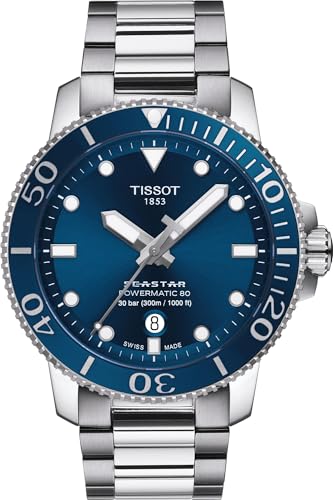


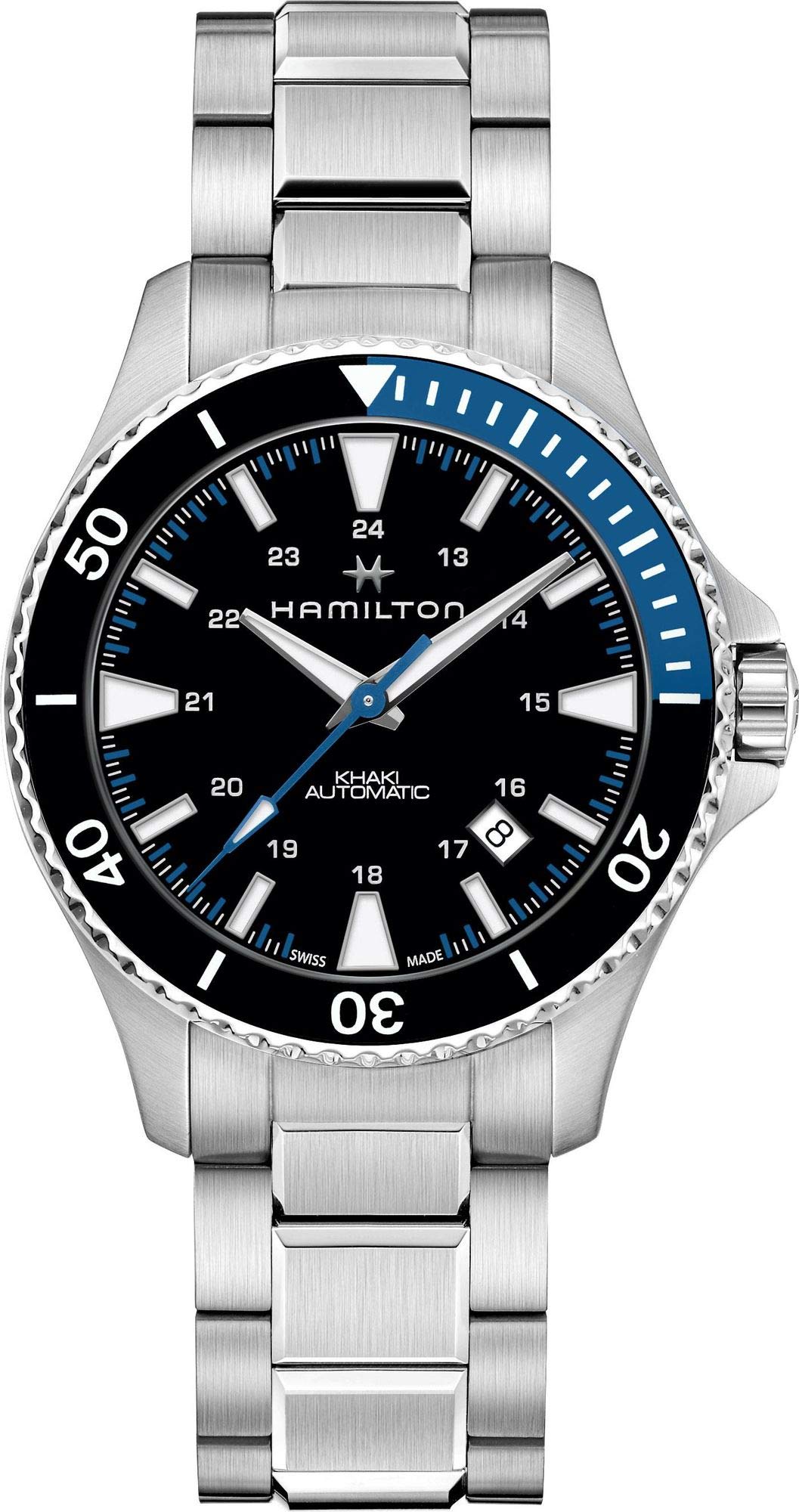
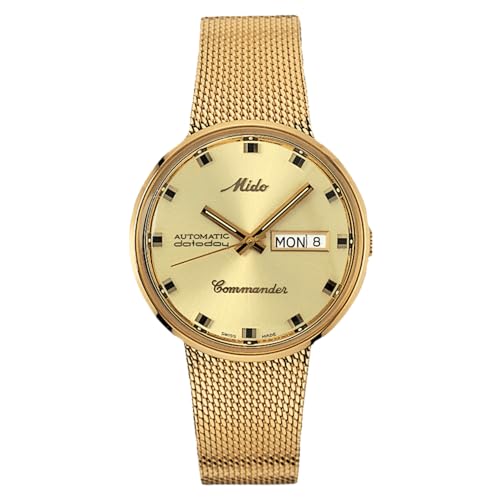


Types of Analog Watches Compared
Under $1000, three broad types compete for your wrist. They differ in how they keep time, how much care they need, and what extra features they offer. The sections below explain how each type works in plain terms, who it suits, and where it gives ground to the others. No type wins on every point, so weigh accuracy, upkeep, and features against your own week.
Smartwatches
Smartwatches pair a digital movement with notifications, fitness tracking, and often GPS. Some offer analog style faces, but the experience is still a small computer on your wrist. Battery life runs from one day to about two weeks depending on the display and feature load, so charging becomes part of your routine. They suit you if you want call alerts, workout records, and contactless payment in one device. They suit you less if you want a watch that runs for years with no charging, holds a classic look in formal settings, or avoids phone dependence. Screen brightness and software support matter more here than case finishing.
Solar Watches
Solar watches use a quartz movement powered by light stored in a rechargeable cell. Regular exposure to indoor or outdoor light keeps them running, and many hold a charge for months in the dark. Accuracy matches standard quartz, and upkeep is low because you rarely open the case. They suit commuters and travelers who want set and forget reliability without battery swaps. Limits include fewer movement styles, dial designs shaped by the need to admit light, and a higher price than basic quartz. If you store a watch in a drawer for long stretches, plan occasional time near a window.
Automatic Watches
Automatic watches use a mechanical movement wound by a rotor that moves with your arm. Under $1000 this tier is strong, with regulated movements, sapphire crystals on many models, and solid bracelets. Accuracy is looser than quartz, often within a handful of seconds per day, and the watch stops after roughly one to two days off the wrist. They suit you if you enjoy mechanical craft, wear the watch most days, and accept periodic service. They suit you less if you rotate many watches or need split second accuracy for work timing. A simple watch winder or a quick manual wind solves most restart hassle.
For a broader budget view beyond analog styles, see our guide to the best watches under 1000 and compare category tradeoffs.
Smartwatches vs Solar Watches: Which Should You Choose?
Compare these two on five points. For battery care, solar wins because light does the work while a smartwatch needs a charger. For features, the smartwatch wins with GPS, heart rate data, apps, and alerts. For accuracy, both are excellent, since both rely on quartz timing at the core. For lifespan, solar has the edge because software support ends sooner than a quartz movement wears out. For style, solar keeps a true analog dial at all times, while a smartwatch face sleeps or changes. Choose solar for calm, long term wear. Choose smart if connected features will change how you train or work each day.
How to Choose the Right Analog Watch
Smart and Fitness Features
Decide which features you will use weekly, not which list looks longest. GPS helps runners and hikers record routes, and heart rate sensors add training context, but neither replaces a medical device and readings vary with fit and motion. Step counts and sleep summaries are useful trends, not diagnoses. On a pure analog watch these features do not apply, and that absence is a benefit if you want fewer alerts. If you do go smart, check phone compatibility, app support, and how long the maker promises software updates.
Case Size and Wrist Fit
Most buyers under this budget land between 38 mm and 42 mm. Measure lug to lug length as well, because that span decides whether the case overhangs your wrist. Thickness affects shirt cuffs and comfort. Slim quartz and solar models can sit under 10 mm, while automatics often run 11 mm to 13 mm. Try to keep the case weight balanced by the strap or bracelet. A quick release strap system makes swaps easy, which helps one watch cover office and weekend roles without tools.
Movement Type
Movement choice shapes cost, accuracy, and care for the life of the watch. Quartz is the most accurate and the least costly to run. Solar quartz adds light charging and long power reserves. Automatic movements offer craft and a smooth sweeping seconds hand, with service advised every 5 to 7 years. Smart movements trade longevity for features and need regular charging. Match the movement to your tolerance for upkeep. If you own one watch and wear it daily, any type can work. If you rotate, quartz and solar forgive neglect best.
If mechanical movements draw you most, see our guide to the best automatic watches under 1000 for movement specific checks.
Crystal and Case Materials
Sapphire crystal is the standard to seek at this price because it resists scratches far better than mineral glass. Some value models still use mineral, which can be fine for light wear but shows marks sooner. For cases, 316L stainless steel is common, durable, and easy to refinish. Titanium weighs less and suits larger cases or sensitive skin, though it can show surface marks differently. Check bezel action, crown feel, and bracelet end link fit in person if you can. Small finishing gaps are easier to spot at this tier and worth avoiding.
What You Can Realistically Get Under $1000
Around $500 to $1000 the best analog watches under 1000 offer a sapphire crystal, a solid movement, good water resistance, and a bracelet with solid links on many models. You generally do not get precious metals, in house movements from luxury houses, or elaborate hand finishing. Around $200 to $500 you trade some finishing and brand heritage but keep strong everyday performance. Do not cut corners on the crystal or the movement to pay for styling extras. Those two parts decide how the watch ages. Spend first on movement reliability and crystal quality, then on the strap.
How to Make Your Analog Watch Last Longer
Simple habits add years. Rinse the watch after saltwater exposure and dry it with a soft cloth. Store it away from strong magnets, including tablet covers and speakers, because magnetism can disturb a mechanical movement. Service automatic watches every 5 to 7 years, or sooner if timekeeping drifts or water resistance is in doubt. Keep solar models in regular light, and avoid leaving any watch in a hot car. Replace worn straps before they fail, and have seals checked when a battery is changed on quartz models. Treat the crown gently and always push or screw it fully home after setting.
Travelers who track a second time zone can also see our guide to the best gmt watches under 1000 for that specific complication.
Analog Watches: Your Questions Answered
Can you get a good analog watch under $1000?
Yes, this is one of the strongest value bands in watch buying. You can get sapphire crystal, a proven movement, and solid case finishing without paying luxury brand premiums. The key is to pick a type that fits your routine and to check fit in person. Avoid paying most of the budget for styling while the movement and crystal stay basic.
Quartz or automatic: which is better?
Neither is better for everyone. Quartz wins on accuracy, low upkeep, and lower running cost. Automatic wins on craft, a smooth seconds sweep, and freedom from battery changes, at the price of looser accuracy and periodic service. If you wear one watch daily and value mechanical feel, automatic makes sense. If you want grab and go accuracy, choose quartz or solar quartz.
How long does a watch battery last?
A standard quartz battery lasts about one to three years. Solar cells last far longer because light recharges them, though the rechargeable cell can lose capacity after many years. Smartwatch batteries are measured in days per charge, not years. If a quartz watch starts losing time or the seconds hand jumps in steps, treat that as a low battery signal and plan a prompt change.
What case size fits my wrist?
Start with your wrist circumference and lug to lug length. Slim wrists often suit 36 mm to 39 mm cases, mid size wrists suit 39 mm to 42 mm, and larger wrists can carry 42 mm to 44 mm. Thickness and lug shape change the feel as much as diameter. Try the watch with your usual sleeve before you commit.
How water resistant should a watch be?
For daily wear with hand washing and rain, 50 meters is a sensible floor and 100 meters is better. Choose 200 meters and a screw down crown if you swim often. Ratings assume seals are in good condition, so have them checked at service. Never operate the crown or pushers under water unless the maker states that you can.
Our Verdict
Pick the type first, then the movement details, then fit. Those choices decide daily satisfaction far more than small spec gaps. Compare your shortlist in the product table above, weigh crystal and movement quality heavily, and choose the best analog watches under 1000 option that fits your wrist, your routine, and your taste for upkeep.


