
Best American Shoes 2026 How to Choose the Right Pair
Disclosure: We may earn a commission when you buy through links on this page, at no extra cost to you. As an Amazon Associate I earn from qualifying purchases. Learn more

Compare American shoes by fit, materials, comfort, and style, with sizing and care guidance for work, walking, and everyday wear. Shop with confidence.
American shoes cover a wide range, from sneakers and dress shoes to work boots, and the label can mean a brand founded here or a pair built here. The best american shoes fit your feet, suit your daily routine, and come from a maker you trust to stand behind them. This guide explains how to compare materials, construction, fit, and price so you can choose a pair that lasts.
Start with how you will wear them most often, then use the product table to line up styles and prices.



Who Should Buy American Shoes
People on Their Feet All Day
Teachers, nurses, and tradespeople need cushioning, arch support, and a sole that grips smooth floors. Look for removable insoles and room in the toe box.
Commuters and Walkers
A light, flexible sneaker with a supportive midsole suits miles of daily walking. Check heel hold and toe room, and walk on a hard floor before you decide.
Buyers Who Want Shoes That Can Be Repaired
If you would rather resole a favorite pair than replace it, choose welted leather shoes and boots. They cost more up front but can last many years.
Key Features to Compare
Materials
Full grain leather ages well and molds to your foot. Suede and nubuck feel softer but need more care. Knit and mesh uppers breathe well in warm weather but wear faster. Check the lining and insole, since they decide comfort against the foot.
Fit and Sizing
Try both shoes in the afternoon, when feet are at their largest, with the socks you normally wear. You should have about a thumb width of space ahead of the longest toe, a snug heel, and room for the toes to spread. Many American brands offer wide widths, which is worth checking if your feet are broad.
Soles and Grip
Rubber outsoles with real tread grip wet floors better than smooth leather soles. Cushioned foam midsoles suit walking, while firm midsoles support standing on hard floors.
Construction
Goodyear welted shoes can be resoled many times, while glued soles are harder to repair. Stitching quality at the toe and heel gives a quick read on overall workmanship.
Origin Claims
Brand names do not guarantee origin. Some brands make certain models in the United States and others overseas. Check the model page or label, and see our guide to the best american made shoes for how to read those claims.
Types Compared
Sneakers
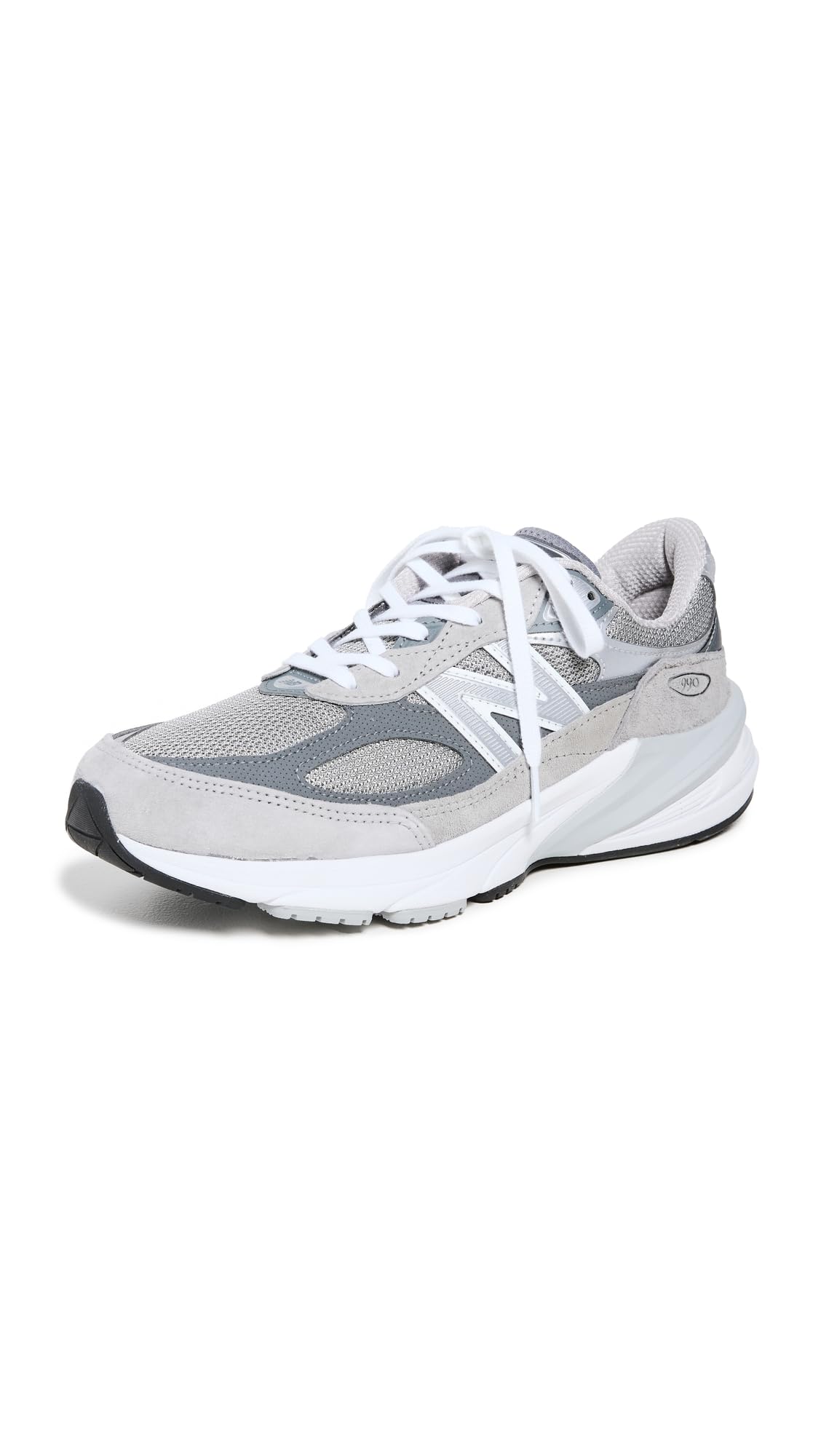
Casual comfort for walking and everyday wear. Look for cushioned midsoles and a roomy toe box.
Dress Shoes
Leather oxfords and loafers with welted construction suit offices and formal events. Plan on occasional polishing and a resole every few years.
Work and Heritage Boots
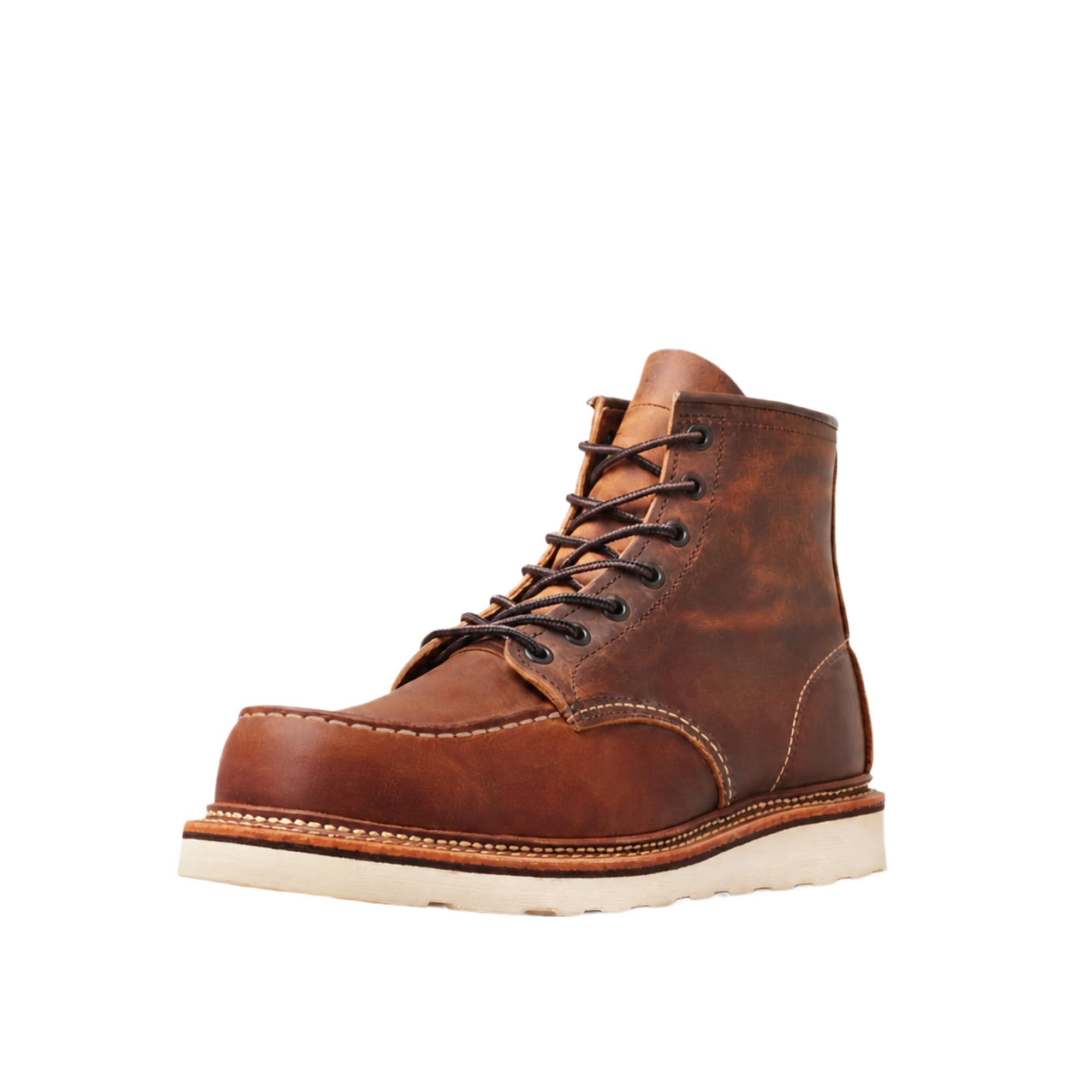
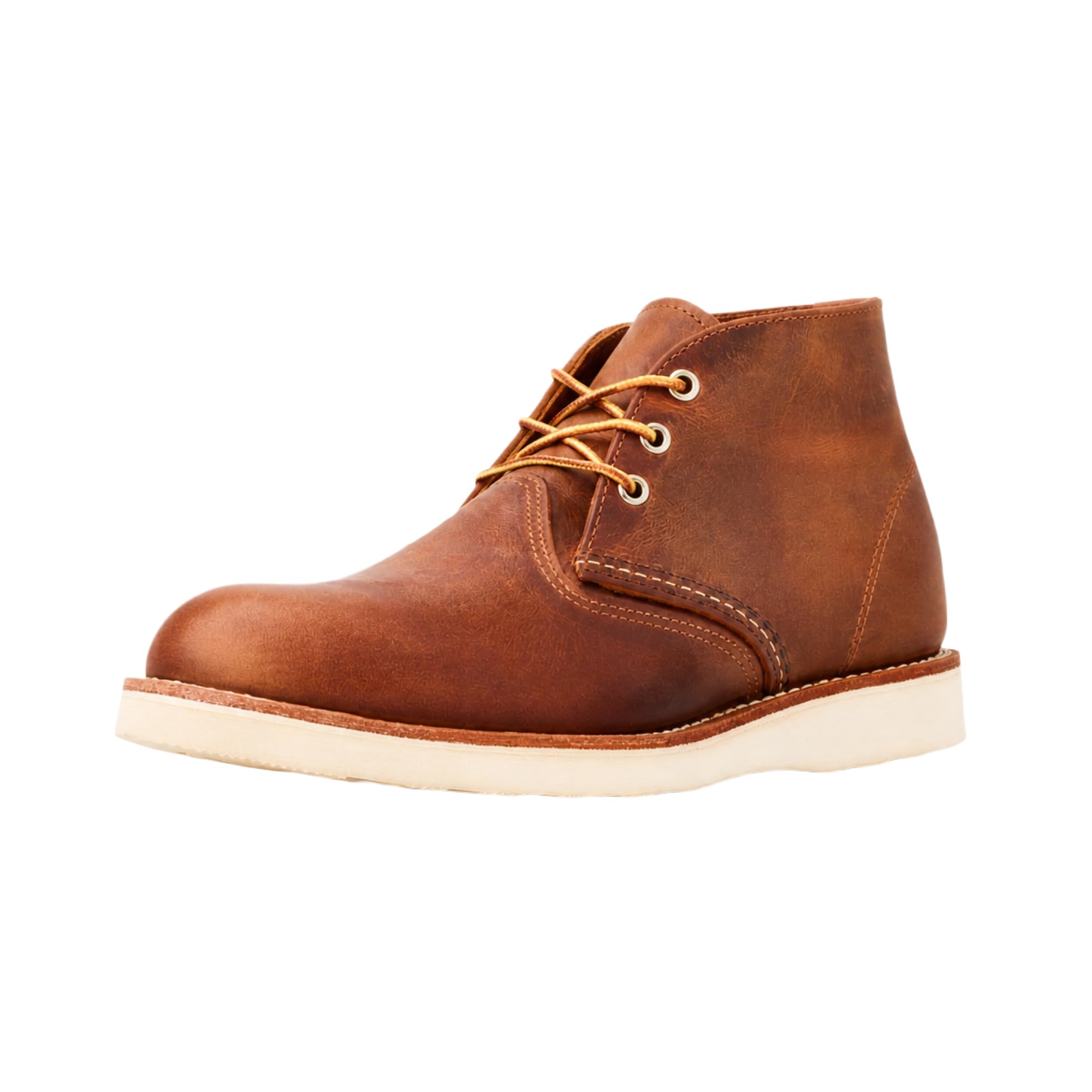
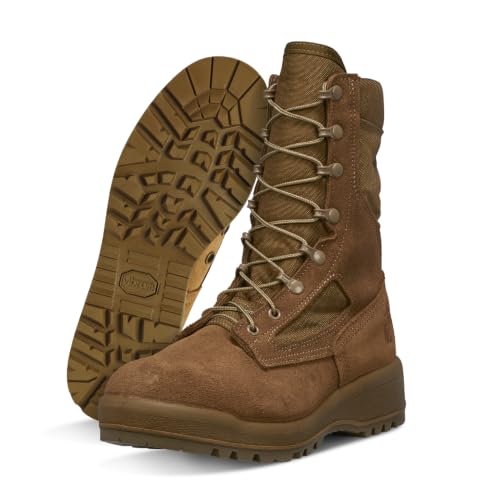
Durable leather boots with lugged soles suit job sites and rough ground. Heritage styles also look right with jeans.
Sizing Tips by Shoe Type
Sneakers
Most sneakers fit true to size, but some performance styles run narrow. If you wear orthotics, choose a style with a removable insole and enough volume in the forefoot. Try them with the socks you wear on long walks.
Leather Dress Shoes
Leather shoes stretch slightly with wear, so they should feel snug but not painful at first. Pay attention to the instep and heel slip, since a loose heel rubs as the leather softens.
Boots
Boots need room for thicker socks and a little toe movement on downhill slopes. If you are between sizes, choose the larger size and adjust with an insole or sock thickness. Heritage boots from Red Wing and similar makers often run a half size large, so check the maker's sizing guide.
What to Look for at Different Prices
Between $100 and $200, expect solid cushioned sneakers and simple casual shoes with decent materials. From $200 to $350, you gain full grain leather, better linings, and sometimes Goodyear welted construction. Above $350, you are paying for premium leather, hand finishing, and a shoe designed to be resoled several times.
The price you pay should match how often you wear the pair. A $450 pair worn three days a week for ten years costs less per wear than a $90 pair replaced every year.
Budget and Value
Expect roughly $150 to $250 for American sneakers and $300 to $500 for welted dress shoes or boots. Imported options cost less, so compare materials, construction, and warranty before you pay a premium. Cost per year of wear is the fairest comparison.
Reading a Shoe's Construction Before You Buy
Flip the shoe over and look at how the sole joins the upper. A visible line of stitching around the edge, or a leather strip called a welt, points to a shoe that a cobbler can resole. A smooth, glued seam is common on sneakers and lower priced shoes and is not meant to be repaired.
Inside, press the insole and squeeze the heel counter. A good heel counter feels firm and holds its shape, and a removable insole lets you swap in a replacement or an orthotic. Look at the lining near the heel, where cheap linings wear through first. These checks take less than a minute and tell you more about the pair than any slogan on the box.
Finally, read the return policy. Shoes that need a break in period should be tried at home on a carpeted surface first, so you can send them back if the fit is wrong.
Care and Daily Use
Brush off dirt after wear, condition leather every few months, and use cedar shoe trees to hold shape. Rotate pairs so each one dries fully between wears. Replace insoles when cushioning feels flat, and resole welted shoes before the sole wears through.
Choosing Socks and Insoles
Socks change how a shoe fits more than most buyers expect. Wool blend socks manage sweat and cushion leather boots, while thin cotton socks suit dress shoes. If you use orthotics or aftermarket insoles, fit the shoes with them in place, and check whether the original insole is removable. A good insole can turn a decent pair into one you wear all day.
Common Mistakes to Avoid
- Assuming every shoe from an American brand is made in the United States.
- Buying on style alone without walking in the pair.
- Ignoring width, which causes more discomfort than length.
- Wearing a new leather pair all day on the first day.
- Skipping care, which shortens the life of good leather.
Frequently Asked Questions
How should American shoes fit?
Snug at the heel and midfoot, with room ahead of the toes. Always fit to the larger foot.
Are American shoes worth the extra cost?
They can be, when the price buys better leather, repairable construction, and longer life. For occasional wear, a cheaper pair may be enough.
How long is the break in period?
Leather shoes and boots usually need one to two weeks of short wears. Sneakers should feel comfortable right away.
How do I care for leather shoes?
Brush off dirt, condition the leather every few months, and let wet shoes dry at room temperature away from heaters.
What should I check before ordering?
Check the width options, the return policy, and the care needs. If foot pain or numbness persists, talk to your doctor.
Final Thoughts
Choose by fit and routine first, then construction and price. The best american shoes are the ones you will wear often, that can be cared for or repaired, and that come from a maker with clear sizing and return policies. Revisit the product table once you have a shortlist.


