Best American Made Sandals: A Buyer Checklist for 2026
Disclosure: We may earn a commission when you buy through links on this page, at no extra cost to you. As an Amazon Associate I earn from qualifying purchases. Learn more

Use this checklist to choose the best american made sandals with clear checks on fit, arch support, straps, outsoles, and durability before you spend money.
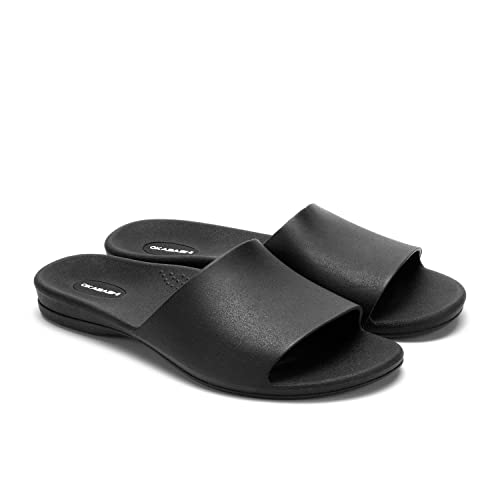
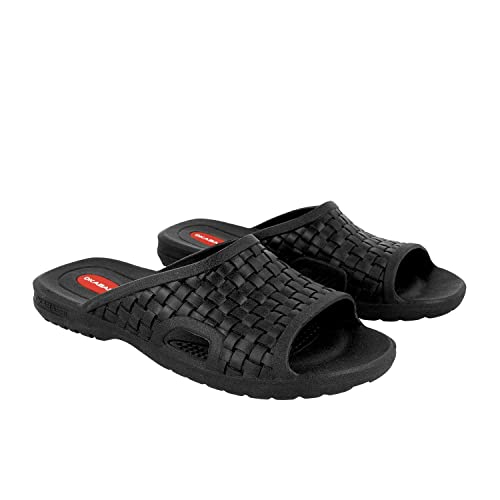
A sandal is a small product with a long list of ways to disappoint: straps that rub, footbeds that flatten, and soles that wear smooth in a single summer. This checklist helps you judge a best american made sandals candidate the way a careful maker builds one, from fit and footbed shape to outsole rubber and stitching. Use the product table to scan styles and prices, then score each option against the points that follow before you buy.
American made also deserves a straight definition. Some brands cut, stitch, and mold every part in a domestic factory, while others assemble imported components here. Good makers state which steps happen in the United States, and that clarity is the first item on the checklist.



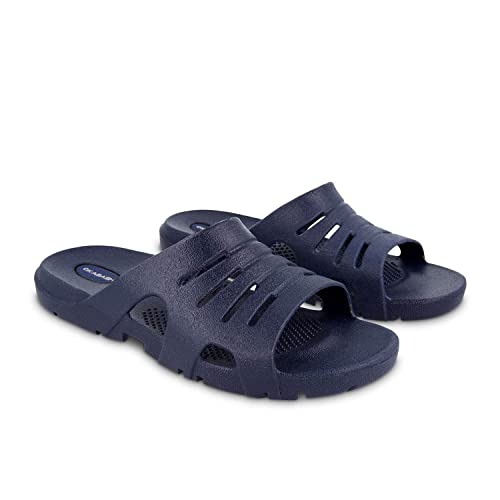
How to Evaluate American Made Sandals
Six checks cover nearly every comfort and durability complaint sandal owners report. A pair that passes all six rarely goes wrong, while a pair that fails on fit or footbed shape will annoy you daily no matter how handsome the leather looks.
Fit, Sizing, and Toe Box
Measure your feet late in the day, when they are at their largest, and buy for the longer foot. In a well fitted sandal your heel sits fully on the footbed, your toes rest without hanging over the front edge, and the toe box leaves room for natural toe spread, which matters for balance on uneven ground. Straps should hold the foot without gripping: you want security, not pressure points. Many American makers offer wide sizes or adjustable straps, and those options are worth more than a half size guess. If you are between sizes in an open sandal, sizing up usually works better than squeezing in.
Cushioning and Support
Support comes from footbed shape more than softness. A contoured footbed with a defined arch, a cupped heel, and gentle support under the ball of the foot spreads pressure and keeps your stride aligned. Pure flat foam feels plush for an hour and tiring by evening. Stability designs guide the foot for people who overpronate, while neutral designs suit most walkers. Heel to toe drop in sandals is small, but a slight rise under the heel reduces strain during long standing days. If you have ongoing foot pain, treat sandals as everyday footwear choices, not treatment, and ask a clinician what support level suits you.
Weight and Flexibility
Light sandals feel effortless on travel days and packed walks, while heavier leather or lugged models protect better on trails and rough pavement. Neither is automatically better; match weight to use. Flexibility should happen at the ball of the foot, where your foot bends, not in the middle of the arch. A quick test helps: hold the sandal at heel and toe and twist gently. A sound pair resists twisting through the middle while still bending at the forefoot. Pairs that fold like cloth give little support, and pairs stiff as a board fight your stride.
Upper Materials and Breathability
Full grain leather uppers age well, mold to your foot, and suit both casual and dressier wear, but they need drying time after a soaking. Synthetic straps and mesh panels dry fast and suit beach and boat use, though they can feel less refined. Knit uppers breathe well in heat and forgive swelling feet. Breathability in sandals is mostly about open design, yet material still matters where straps touch skin: smooth linings and padded strap backs prevent the hot spots that ruin a long day. Gore Tex style membranes appear in some closed adventure sandals for wet trails, adding weather protection at extra cost.
Break In Period and Comfort Out of the Box
Quality leather sandals often need a short break in period of several short wears before the straps soften and the footbed takes your imprint. That is normal and even desirable, because the finished fit is personal. What is not normal is pain, cutting edges, or blisters after two or three gentle outings; those signal a fit or design problem, not a stage to push through. Foam based sport sandals should feel comfortable immediately and change little. Buy from sellers with a fair return window, wear new pairs indoors first, and keep the tags until the fit proves itself.
Durability and Expected Lifespan
Judge durability at the outsole, the strap anchors, and the footbed surface. Outsoles with real tread depth and firm rubber last multiple seasons, while soft foam soles can wear smooth in months of daily pavement use. Straps anchored between footbed layers, or stitched through, outlast straps glued to the surface. A well made leather pair worn in rotation can serve three to five summers, and resoleable designs can go far longer. For context on domestic construction grades, see our guide to the best made sandals and how makers join straps to soles.
Three Price Levels to Know
Use these three profiles to judge any sandal. Each describes the build to expect at that level, so you can apply it to whatever is in stock this season.
Mid Priced Leather or Premium Synthetic
This profile is a leather or premium synthetic sandal with a contoured cork or molded footbed, adjustable straps, and a rubber outsole with genuine tread, usually around $110 to $160. It passes every check on the list: secure fit, shaped arch support, lining that spares your skin, and construction a cobbler can repair. It suits daily wear from May through September and buyers who want one pair to do nearly everything. The limit is water: leather versions dislike full soaking, so beach heavy users should look at the value level or own a second synthetic pair.
Value Sport and Casual
This profile is a sport or casual sandal around $50 to $90 with a molded foam footbed shaped with real arch contour, adjustable synthetic straps, and an outsole with enough tread for parks, travel, and light trails. It passes by keeping the essentials and skipping costly leather and hand finishing. It suits growing feet, travel backups, and water friendly needs. The trade off is lifespan: expect one to three hard seasons rather than five, and expect the footbed cushioning to firm up as the foam ages.
Premium Handmade
This profile, often about $170 to $250, brings full grain American leather, hand stitching, a footbed built from layered natural materials, and resoleable construction from a small domestic workshop. It suits buyers who wear sandals daily, value repair over replacement, and enjoy objects that improve with age. Over a decade of resoling, the cost per season can beat cheaper pairs. The honest limits are the break in period, the care leather asks for, and water avoidance. Buy premium leather only if that routine sounds pleasant rather than burdensome.
Quick Buyer Checklist
Answer these before you pay, and treat any no as a reason to keep looking.
- Does your heel sit fully on the footbed with toes clear of the front edge?
- Do the straps adjust enough to hold your foot without pressure points?
- Does the footbed have a shaped arch rather than a flat foam slab?
- Is the outsole rubber with tread suited to where you walk most?
- Are strap anchors stitched or sandwiched rather than surface glued?
- Can the maker say clearly which production steps happen in the United States?
- Does the return policy let you test the fit indoors at home?
- Does the care routine match your habits, leather care included?
Red Flags to Watch For
Be wary of sandals that claim American heritage while hiding where they are made, since proud domestic makers say so plainly. Flat foam footbeds marketed as arch support are another warning, because shape, not softness, supports an arch. Watch for straps glued onto the footbed surface, thin outsoles with painted on tread, and prices that undercut similar domestic pairs by half with no explanation. Short warranties and missing size guidance round out the list. A maker who will not tell you the footbed material or total weight is asking you to buy blind.
Setup and Care Tips
Break in leather pairs gradually with short wears, and condition the leather lightly when it looks dry, following the maker directions. Air dry wet sandals away from direct heat, which cracks leather and warps foam. Rinse salt and sand off after beach days, brush dirt from footbeds weekly in summer, and rotate two pairs if you wear sandals daily so each pair rests and dries fully. Retire worn sandals when tread smooths out, because grip is a safety feature, not a cosmetic one.
American Made Sandals: Your Questions Answered
How long is the break in period?
Leather sandals usually need about three to six short wears, spread over a week or two, before straps relax and the footbed molds to your foot. Wear them for an hour or two at home first, then on short errands. Foam and synthetic sport sandals need no break in and should feel right immediately. If a pair still rubs or pinches after a week of gentle use, exchange the size or style rather than hoping for a change that rarely comes.
How should american made sandals fit?
They should fit with your heel seated in the heel cup, your toes resting on the footbed with a small margin at the front, and straps snug enough that your foot does not slide when you walk downhill or turn quickly. Your toes should be able to spread and grip naturally. A useful check is walking on a hard floor: if you hear slapping, the straps are too loose or the size is too long. Fit matters more than brand, so measure both feet each season.
Do I need waterproof shoes?
For sandals, think water friendly rather than waterproof. If your summer includes boats, beaches, and sudden rain, choose synthetic straps and foam or rubber footbeds that dry fast and do not stain. Leather sandals handle a splash but suffer with repeated soaking, which stiffens and cracks them over time. Fully waterproof closed shoes serve different needs, like wet trail hiking. Most people do best owning one water friendly pair for wet days and one leather pair for everything else.
Are expensive american made sandals worth it?
They can be, when the price buys repairable construction, better leather, and a footbed shape that keeps its form for years. A premium pair resoled twice can cost less per season than budget pairs replaced every summer. They are not worth it if you lose sandals often, wear them mainly in water, or dislike leather care. Judge by cost per season of expected use, not by the tag alone, and remember that fit beats price tier every time.
Can I wear them all day?
Yes, if the pair has a contoured footbed, secure straps, and an outsole suited to your surfaces, most people can wear good sandals all day. Build up gradually if you are used to closed shoes with more structure, and switch footwear if your arches tire during the first week. People with diabetes, poor circulation, or active foot wounds should ask their clinician before long days in open footwear, since small rubs can become serious. Stop and adjust at the first hot spot rather than walking through it.
Wrapping Up
Fit, footbed shape, and honest construction decide whether a sandal earns its place, so score those first and let style follow. The product table makes it easy to line up current options against the checklist. Choose with those three standards in front of you and the best american made sandals for your summer will feel right from the first week to the fifth season.