
Best All White Nike Shoes of 2026: Complete Buying Guide
Disclosure: We may earn a commission when you buy through links on this page, at no extra cost to you. As an Amazon Associate I earn from qualifying purchases. Learn more

The best all white nike shoes depend on fit, materials, cushioning and care. See what each price tier delivers for everyday comfort.
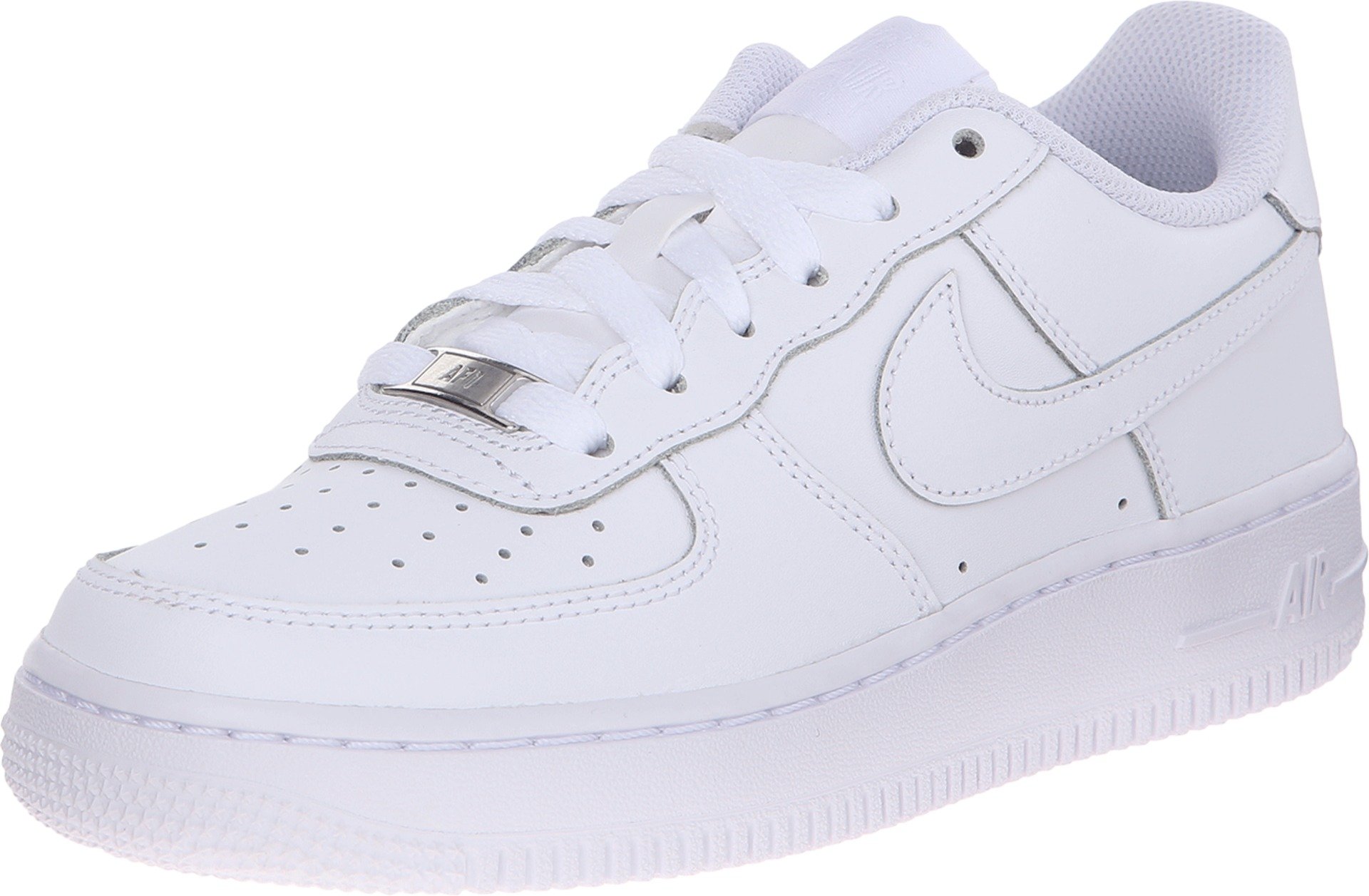
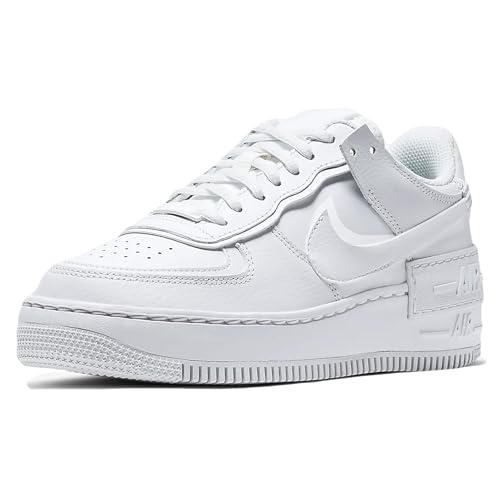
An all white sneaker goes with nearly everything, but Nike makes white shoes for very different jobs, from court inspired leather styles to cushioned runners and training shoes. Choosing the best all white nike shoes means matching the upper material, sole, and fit to how you will actually wear them. This guide explains the trade offs, how to keep white shoes clean, and what each price tier usually delivers, and the product table below puts the key details side by side.
Think first about your main use. A pair for all day standing needs more cushioning than a pair worn mainly for outfits and short outings.


What Each Price Tier Usually Delivers
Price tiers in this range reflect materials and cushioning technology more than looks. Use these general bands to set expectations before you fall for a clean photo.
Entry Tier, Under About $75
Entry tier white Nike shoes usually use synthetic uppers, basic foam midsoles, and simple rubber outsoles. They suit casual outfits, light walking, and buyers who want the all white look without a big commitment. Expect less arch support, fewer width options, and uppers that crease or scuff sooner. For occasional wear they are good value, but people on their feet all day will likely want more cushioning.
Mid Tier, About $75 to $130
Most buyers land here. This tier adds genuine or higher grade leather on lifestyle styles, better foam cushioning on athletic styles, and more durable outsoles. Fit improves, with more consistent sizing and sometimes wide options. If you want one white pair that handles commuting, travel days, and weekend walking, this band usually offers the strongest mix of comfort, durability, and clean styling for the money.
Upgrade Tier, Above About $130
Higher priced pairs bring premium cushioning systems, lighter engineered uppers, and refined construction that holds shape longer. Running and training models here add responsive foams and stable heel designs for serious mileage or workouts. Lifestyle models may use full grain leather that ages well. The upgrade makes sense if you log many miles, stand for long shifts, or simply wear white sneakers almost daily and want them to last.
How to Choose the Best All White Nike Shoes
Start with use case, then fit, then material. A white running shoe, a white leather lifestyle shoe, and a white training shoe solve different problems, even though they photograph the same. The factors below will help you choose the best all white nike shoes for your feet and wardrobe without paying for features you will never use.
Fit, Sizing, and Toe Box
Nike lasts tend to run narrow compared with some brands, so wide feet should look for wide sizes or roomier lifestyle cuts. Measure in the afternoon and leave about a thumb width before your longest toe, especially for running. The toe box should let toes lie flat without pressing the sides. If your heel lifts with every step, try the extra eyelet for a runner loop or consider a half size down in casual styles only.
Weight and Flexibility
Light, flexible shoes feel easy for travel, walking tours, and gym sessions where you move in many directions. Heavier leather styles feel more protective and structured, and they often look sharper with trousers or dresses. Neither is better in general. Match weight to your day: long shifts and high mileage favor lighter builds with real cushioning, while short outings let you prioritize looks and a sturdy upper that wipes clean.
Durability and Expected Lifespan
Running shoes typically last about 300 to 500 miles before cushioning fades, while casual leather pairs can last years if the sole stays intact and you rotate wear. White uppers show wear sooner than dark ones because scuffs and yellowing soles are visible. Look for solid rubber outsoles rather than exposed foam at the heel and forefoot. Cleaning little and often preserves both the leather and the bright color.
Break In Period and Comfort Out of the Box
Knit and mesh athletic styles usually feel comfortable immediately. Leather lifestyle styles can feel stiff for the first few wears, then soften and mold to your foot over one to two weeks. Wear new pairs around the house first, and keep the return window in mind. Pain at the toes or a pinching forefoot rarely improves with break in, so exchange sizes rather than hoping stiff material will stretch enough.
Cushioning and Support
Foam midsoles vary from soft and plush to firm and responsive. Soft cushioning suits standing and easy walking, while firmer foams feel more stable for lifting and court sports. Most white Nike lifestyle shoes are neutral, meaning they do not correct inward rolling. If you overpronate or use orthotics, check that the insole removes cleanly and the fit stays secure with your insert. Heel to toe drop on runners commonly falls around 8 to 10 mm.
Waterproofing (Gore Tex and Membranes)
Most all white Nike shoes are not waterproof, and white leather or mesh will absorb rain and show dirt fast. A small number of trail or winterized styles add membranes, but they are the exception. For everyday pairs, a protective spray can slow stains and light moisture, though it will not make the shoe storm proof. If rain is a daily reality, keep a dedicated wet weather pair and save the white pair for drier days.
Material choice also decides how well a pair cleans up. Smooth leather wipes down with a damp cloth and mild soap, which is why it dominates classic white styles. Knit and mesh stain deeper and need gentle washing and air drying. Suede looks rich but marks easily and hates water. For a broader brand overview before you narrow down, see our guide to the best nike shoes for how the main lines differ.
Types of White Nike Shoes
Waterproof Boots
Nike boots and winterized high tops appear in white colorways only occasionally, and they trade the clean low top look for coverage and grip. They suit slushy commutes where a sneaker would soak through. They are heavier and warmer, so they work as a seasonal backup rather than your main white pair. If you need true winter protection, compare dedicated boots instead of expecting a fashion boot to do everything.
Neutral Shoes
Neutral running and walking shoes are the comfort workhorses of the white lineup. They offer the deepest cushioning, breathable uppers, and fits built for mileage. Many people choose an all white colorway so a running shoe doubles for casual wear. If performance running is your main goal, our guide to the best nike running shoes explains cushioning systems in more depth.
Sandals and Recovery Footwear
White slides and recovery sandals give tired feet an easy option after workouts or long shifts. They are simple to clean and useful around pools, locker rooms, and summer errands. They provide no toe protection and little support for long walks, so treat them as a supplement. Choose a contoured footbed if you want arch support, and rinse them often because white straps show sunscreen and dust quickly.
Stability and Support Shoes
True stability models in all white are less common, but some training and walking styles add firmer heel counters, wider bases, and supportive midsoles. They help lifters, court players, and walkers who want a planted feel. For gym focused comparisons, see our guide to the best nike athletic shoes. If you need medical level support for a diagnosed condition, ask a podiatrist which features matter for you.
Do not overlook gender and sizing differences when you shop. Many popular white styles come in men and women versions with slightly different lasts and cushioning tunes. If you shop across ranges, convert sizes carefully and read the specific size chart. Our guide to the best white shoes for men covers fit notes for wider feet, and our broader guide to the best white shoes compares white styles beyond one brand.
Tips to Get the Most From Your White Nike Shoe
- Clean little and often: wipe leather after wear and wash laces separately so grime does not set into the white finish.
- Air dry away from direct heat: stuff wet shoes with newspaper and dry at room temperature to prevent yellowing and cracked leather.
- Rotate two pairs: alternating extends cushioning life and gives each pair time to dry between wears.
- Lace properly to prevent heel slip: a runner loop through the top eyelet locks the heel and reduces friction blisters.
- Use a protector spray on new pairs: it slows stains on leather and fabric, and reapply it after each deep clean.
- Store out of sunlight: ultraviolet light yellows white soles, so keep pairs in a shaded closet rather than by a window.
FAQs
How should white nike shoes fit?
White Nike shoes should feel secure at the heel with about a thumb width of space at the toes. Because many Nike lasts run narrow, wide feet often need a wide size rather than sizing up in length. Try shoes late in the day with your usual socks. A useful check is walking down a slope in store: if your toes jam the front, the pair is too short for walking or running.
Are expensive white nike shoes worth it?
They are worth it if you will use the better cushioning, lighter materials, or premium leather often enough to notice. Daily wearers and runners usually feel the difference within weeks. If you only need a clean pair for occasional outfits, the mid tier covers the look and basic comfort well. Think in cost per wear rather than sticker price, and remember that white shoes need upkeep at every price.
Can I wear them all day?
Yes, cushioned running and walking styles handle all day wear well, while flat leather lifestyle styles may tire your feet on hard floors. For long shifts, add a supportive insole if the stock one feels thin, and change socks if your feet sweat. Rotating pairs across the week also helps. If you develop ongoing foot or knee pain, see a clinician instead of assuming a different colorway or model will fix it.
Do I need waterproof shoes?
Most buyers do not need waterproof white Nike shoes, because the style is usually chosen for dry days and clean outfits. Waterproof versions are niche and often trail focused. A protector spray plus common sense, such as avoiding deep puddles, covers light splashes. If your commute regularly soaks your feet, buy a dedicated waterproof pair in any color and keep the white pair as your fair weather option.
How often should I replace my white nike shoes?
Replace running pairs after about 300 to 500 miles, or when cushioning feels dead and tread is smooth. Casual leather pairs last longer and are usually retired when soles wear thin, uppers crack, or stains no longer clean up. A practical sign is new soreness after routes that used to feel easy. Keeping a simple mileage or wear log helps you replace on time rather than guessing.
How long is the break in period?
Knit and mesh styles need little to no break in, while leather styles may take one to two weeks of short wears to soften. Start with an hour or two at a time and build up. Stiffness at the ankle collar usually eases, but toe pinching does not. If a pair still hurts after several gentle outings, exchange the size or choose a wider cut instead of forcing it.
Our Verdict
Match the shoe to your main use, get the width right, and pick an upper you are willing to clean. Those three decisions decide whether a white pair stays in your weekly rotation. When you compare options, the best all white nike shoes for your routine should be clear in the product table above, so confirm size availability and materials there before you order.


