Best All Day Sandals: A Buyer Checklist for 2026
Disclosure: We may earn a commission when you buy through links on this page, at no extra cost to you. As an Amazon Associate I earn from qualifying purchases. Learn more

Use this checklist to find the best all day sandals for your feet. Learn the fit, cushioning, and arch support specs that matter before you buy.
A sandal that feels lovely for a coffee run can leave your arches aching by the end of a market day, a theme park visit, or a shift on your feet. The difference is rarely the brand name. It is the footbed shape, the strap design, and the outsole under your heel.
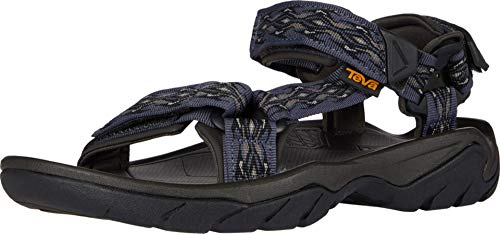
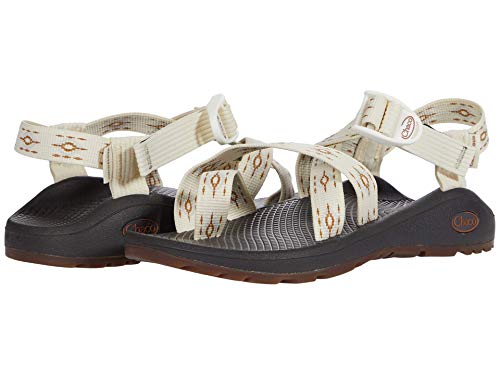
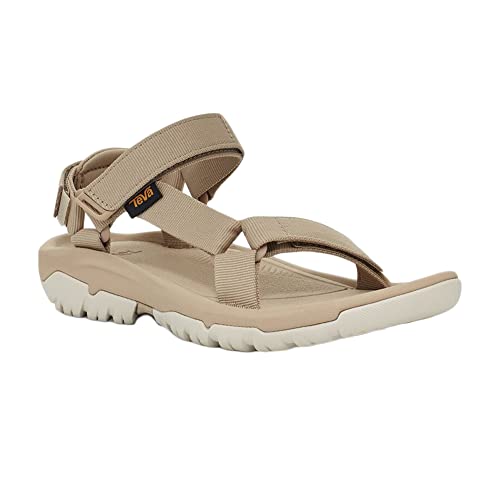
This checklist shows you how to judge the best all day sandals before you buy, using simple tests you can apply to any listing or store shelf. Work through the comparison table below first, then score each candidate against the criteria that follow. If walking is your main use, our guide to the best sandals for walking all day adds mileage focused advice.

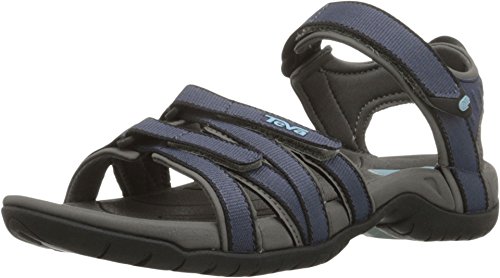
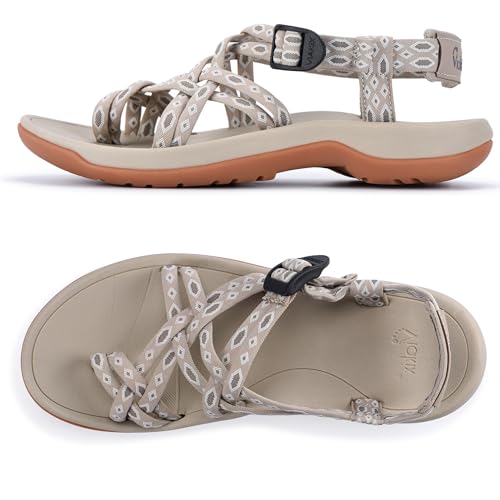
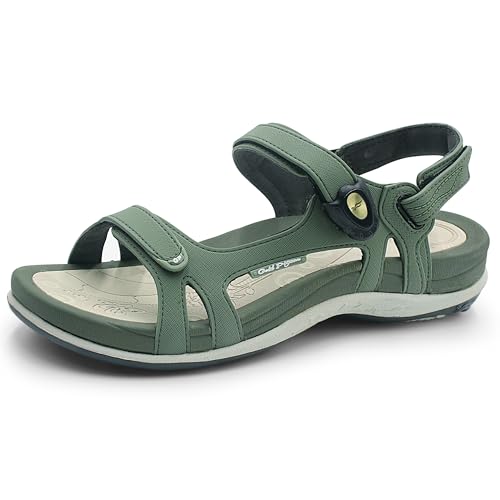
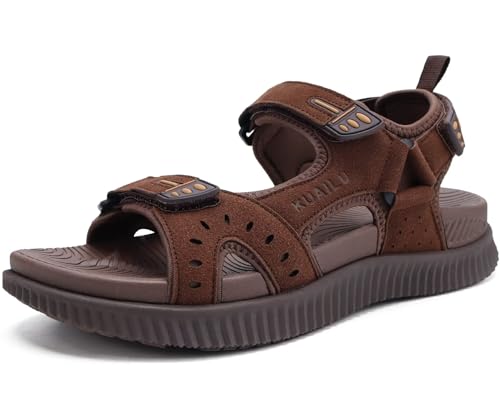

How to Evaluate Day Sandals
Score each sandal against six checks: fit, upper comfort, arch support, weight and flexibility, water behavior, and durability. A sandal that fails one check badly, such as a flat footbed when you have high arches, will not become comfortable later, no matter how good the other five look.
Fit, Sizing, and Toe Box
Measure your feet late in the day, when they are at their largest, and compare the length with the brand size chart rather than trusting your usual shoe size. You want about a thumb width of room in front of your longest toe and a toe box wide enough that your toes lie flat without spilling over the edges. Straps should hold the heel without digging in. If you are between sizes, size up for all day wear, because feet swell in heat and a little extra length beats cramped toes by evening.
Upper Materials and Breathability
Leather uppers look smart and mold to your foot over time, but they dry slowly and can stain with water. Woven and knit straps feel soft from day one and reduce rubbing on bunions and toe joints. Mesh sport straps dry fastest and suit travel and beach days. Whatever the material, check where straps meet skin, because a rough edge at the ankle or between the toes is the most common cause of blisters on long days. Breathable uppers matter most in hot climates, where sweat makes friction worse.
Arch Support and Foot Type
Flat feet usually do best with a firm, clearly shaped arch and a heel cup that keeps the foot centered, which reduces inward rolling as you tire. High arches need cushioning under the arch itself, so look for a footbed that rises to meet your foot rather than a flat slab. If you overpronate in shoes, choose a sandal with a stable, wider base and avoid very soft foam that collapses inward. Persistent heel or arch pain, especially sharp pain with your first morning steps, is a reason to talk with a clinician or podiatrist about your personal needs instead of hoping a sandal will fix it.
Weight and Flexibility
Lighter sandals reduce leg fatigue hour after hour, and a pair under about 10 oz per sandal is a good target for travel and sightseeing. Flexibility should live at the forefoot, where your foot bends to push off, while the midfoot stays firm enough to support the arch. Test it by hand: a sandal that folds in half at the middle will feel unstable on uneven ground. Very stiff soles protect sore feet on rough trails but can feel clunky in town, so match stiffness to your terrain.
Waterproofing (Gore Tex and Membranes)
True waterproof membranes such as Gore Tex belong mostly to closed shoes, and in sandals the real question is how the materials handle water. Synthetic straps and rubber outsoles shrug off rain, splashes, and boat decks, while leather and cork footbeds suffer with repeated soaking. If your day includes water, choose quick drying straps and a footbed that will not stay soggy, and skip delicate finishes. For dry city use, water resistance is a minor point and breathability matters far more.
Durability and Expected Lifespan
Judge durability by the outsole first: a rubber outsole with real tread depth will outlast a thin foam bottom by seasons. Stitching generally outlasts glue only construction at strap anchors, and a footbed made of dense foam or cork holds its shape longer than soft memory foam. With daily summer use, expect about one to two seasons from a good pair before cushioning packs down. Rotate two pairs if you wear sandals every day, because foam recovers between wears and each pair lasts longer.
Price Tiers That Pass Our Checklist
All Round Profile
The strongest all round profile pairs a shaped cork or dense foam footbed with adjustable straps, a rubber outsole, and a moderate price around $70 to $120. You get arch support that survives the season, straps that fit a range of foot shapes, and materials that handle both pavement and light trails. This is the profile to beat when you compare options, and any sandal costing more should explain exactly what it adds beyond it.
Value Profile
A value profile, roughly $35 to $60, keeps the essentials and trims the extras. Look for a molded footbed rather than a flat one, at least two points of strap adjustment, and a rubber outsole instead of bare foam. You give up leather finishes and long warranties, not basic comfort. Shoppers who mostly stand rather than walk should also read our guide to the best sandals for standing all day, since standing rewards firmer support than walking does.
Premium Profile
Premium sandals, around $120 to $180, earn their price with full leather or high grade synthetic uppers, replaceable or resoleable parts on some styles, and footbeds shaped with real anatomical detail. The comfort gain over the overall profile is real but modest, so buy premium for fit refinement, looks, and longevity rather than expecting a different category of comfort. Premium pairs also tend to offer more widths, which can be the deciding factor for hard to fit feet.
Quick Buyer Checklist
- Does the footbed have a visible arch shape and a heel cup, not a flat slab?
- Can you adjust at least two straps to fine tune the fit?
- Is there a thumb width of space in front of your longest toe?
- Does the outsole use rubber with real tread, not smooth foam?
- Does the sandal bend at the forefoot but stay firm at the midfoot?
- Will the materials suit your day, dry city use or regular water exposure?
- Does the seller offer returns after an indoor trial walk?
Red Flags to Watch For
Walk away from listings with vague foam claims and no mention of arch shape, because comfort sandals should describe their footbed clearly. Be wary of strap anchors glued into thin foam, a common failure point that photos often hide. Very short warranties, under 30 days of return cover, suggest the maker doubts the product too. Also question a wall of similar glowing reviews with no detail, and prices far below every comparable sandal, since durable rubber and shaped footbeds cost money to make. Finally, avoid sizing charts that skip foot length in centimeters, because that is the measurement you actually need.
Care and Maintenance Tips
Rinse sandals after beach or pool days and let them air dry away from direct heat, which warps foam and cracks leather. Clean footbeds with a soft brush and mild soap to stop odor before it sets in. Rotate two pairs for daily wear so each footbed recovers its shape, and retire a pair when the tread smooths out or the arch feels flat, since worn support can leave your feet and knees aching. For mixed walking and standing days, our guide to the best sandals for walking and standing all day explains the balance to look for.
Day Sandals: Your Questions Answered
Are expensive day sandals worth it?
They are worth it when the extra money buys a shaped footbed, better strap materials, and widths that fit you properly. Past about $120, gains shrink and you pay more for looks and brand. A mid priced sandal that fits your arch will beat a premium one that does not, so spend on fit first and treat brand as a tiebreaker.
How long is the break in period?
Most comfort sandals feel good within two or three short wears, totaling a few hours. Leather straps soften over about a week of regular use. Limit early wears to an hour or two around home, and stop if you feel hot spots forming, because blisters mean the fit or strap placement is wrong, not that you must push through. A footbed that hurts your arch on day three will rarely improve.
How often should I replace my day sandals?
Replace them when the outsole tread wears smooth, the footbed stays compressed, or straps loosen beyond adjustment. For daily summer wear that is often every one to two seasons. A useful test is standing in the pair at the end of a long day: if your feet feel worse than they do barefoot on a mat, the support is spent. Our guide to the best rated sandals can help you line up a replacement.
Do I need waterproof shoes?
You need water friendly sandals, not waterproof ones, if your days involve rain, boats, or pools. Synthetic straps and rubber soles handle water well, while leather and cork need drying time. For mostly dry use, ignore water claims and choose by fit and support. If you expect full submersion often, a sport sandal design beats a fashion shape every time.
Can I wear them all day?
Yes, if the sandal passes the checklist: shaped support, adjustable straps, and a stable sole. Build up wear time over a few days so your feet adapt, and carry a backup pair on the first long outing. If your feet or calves ache more with each hour, the sandal is not an all day match for you, whatever the label says. Women comparing narrower fits and more strap options will find extra notes in our guide to the best women's sandals for walking all day.
The Bottom Line
Judge by footbed shape, strap adjustment, and outsole quality, in that order, and most marketing noise falls away. The best all day sandals for you are the ones whose arch meets your foot, whose straps you can fine tune as your feet swell, and whose soles still grip at the end of the season. Run your finalists through the checklist, then compare them in the product table above.