
Best Affordable Wireless Headsets: A Buying Guide for 2026
Disclosure: We may earn a commission when you buy through links on this page, at no extra cost to you. As an Amazon Associate I earn from qualifying purchases. Learn more

Best affordable wireless headsets for commuters, remote workers, and casual listeners: compare sound, comfort, battery life, and call quality.
Shopping for best affordable wireless headsets can feel confusing because low prices cover a wide range of sound quality, comfort, and battery life. Some models focus on clear calls, others focus on music, and a few try to do both at a modest price. This guide explains what you can reasonably expect at a lower price and which tradeoffs matter most for your daily routine. Use the product table to narrow the field before you compare details.
A good budget headset does not need to match a premium model in every area. It needs to sound clear enough for your calls and music, fit well for the length of time you wear it, and hold a charge through your day. Start with how you will use it most, then check the features that support that use.
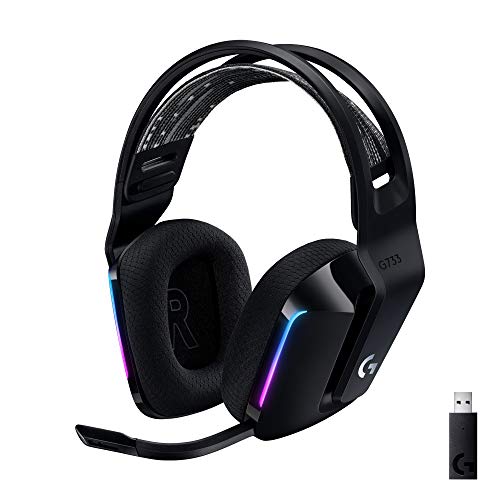

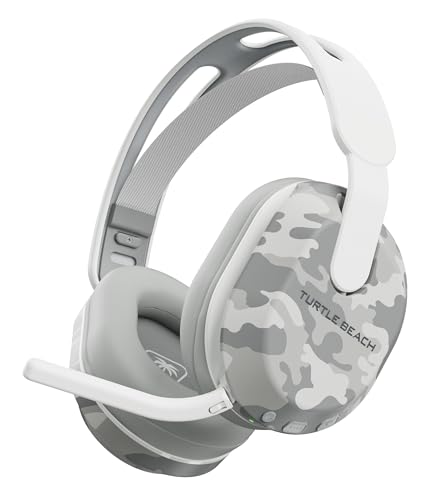


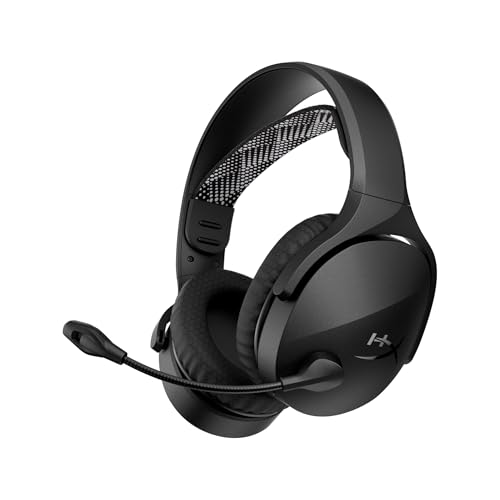
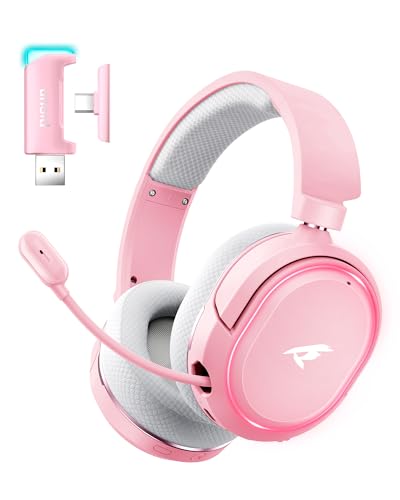
What to Expect at Each Spending Level
At about $25 to $50, expect simple Bluetooth listening, basic controls, and a design made for shorter sessions. Sound is often clear for speech and casual music, though bass can sound loose and calls may pick up background noise in busy rooms. Battery life in this range is often enough for a workday of mixed use, but fast charging may be limited.
At about $50 to $100, you reach the sweet spot for the best affordable wireless headsets. Sound becomes fuller and more controlled, ear pads tend to feel softer, and microphones handle calls more cleanly. Many models in this range add multipoint pairing, so you can stay connected to a phone and a laptop at once, plus an app for simple sound adjustments. See our guide to the best affordable headsets if you want to compare wired and wireless options at similar prices.
Above about $100, budget models start to borrow premium comforts such as stronger noise control, longer battery life, and sturdier folding designs. You may also get clearer microphones and better support for high quality audio codecs. Spending more still does not guarantee a perfect fit, so comfort remains the deciding factor.
Who Should Buy Which Style
Commuters and Travelers
Commuters need a headset that folds flat, stays comfortable on long trips, and reduces background noise on trains and planes. Look for soft ear pads, a secure fit that does not slip when you move, and battery life that covers a full travel day. A case helps protect the headset in a bag, and quick charging is useful when you have only a short stop between trips.
Remote Workers and Students
Remote workers and students need clear microphones above all, since calls and classes reveal weak voice pickup fast. A headset with a boom microphone or well placed built in microphones will usually sound clearer than a model designed only for music. Multipoint pairing is also valuable here, because it lets you switch between a laptop call and a phone notification without repairing the headset each time.
Listeners on the Move
If you walk, exercise lightly, or move around the house while listening, fit and sweat resistance matter more than extra features. A lighter design with a snug but gentle clamp will stay in place without pressing hard on your ears. Look for controls you can find by touch, so you can pause or change volume without stopping what you are doing. Gamers on a budget can also compare options in our guide to the best affordable wireless gaming headsets, which focuses on low delay sound for play.
Key Features of Affordable Wireless Headsets
Sound Quality and Tuning
Driver size alone does not tell you how a headset will sound, but tuning does. Some models boost bass heavily, which can make music feel lively but can also muddy voices on calls. Others aim for a balanced sound that keeps speech clear and music natural across many styles. Focus on whether voices sound clear, whether bass stays controlled at higher volume, and whether treble feels sharp or tiring after an hour.
Comfort, Fit, and Weight
Comfort decides whether a headset gets used every day or left in a drawer. Over ear models spread pressure around the ears, while on ear models rest directly on them and can feel tight sooner. Ear pad material matters too: soft foam with a smooth cover usually feels better for long sessions than stiff padding. Weight also adds up over time, so a lighter headset often feels better even if it looks less substantial.
Battery Life and Charging
Advertised battery life usually assumes moderate volume with extra features turned off, so treat the headline number as a best case figure. For daily use, look for enough life to cover your longest day plus a margin, rather than chasing the largest number on the box. Fast charging can matter more than total life when you forget to charge overnight, since a short charge can often add several hours of listening.
Noise Control and Isolation
Passive isolation comes from ear pads that seal around or on your ears, and it helps in many everyday settings without using battery power. Active noise canceling uses microphones to reduce steady background sounds such as engine hum and office ventilation, and it works best on constant noise rather than sudden sounds. At budget prices, noise canceling varies widely, so a strong seal often matters more than a bold claim on the box.
Microphone and Call Quality
Call quality depends on microphone placement, noise handling, and how the headset processes your voice. A boom microphone sits closer to your mouth and usually picks up speech more clearly than microphones hidden in an ear cup. Models without a boom rely on several small microphones and software to separate your voice from room noise, and results vary by environment. If calls matter most, look for clear guidance about sidetone, which lets you hear your own voice naturally so you do not speak too loudly.
Connectivity, Codecs, and Multipoint
Bluetooth version affects range and stability, and newer versions generally hold a connection better through walls and across rooms. Audio codecs decide how sound is sent from your device to the headset, and support varies by phone and computer. A high quality codec only helps when both devices support it, so check your phone or laptop before paying extra for a codec you cannot use. Multipoint pairing lets one headset stay connected to two devices, which is handy when a call arrives while you watch video on another device.
Console players should also note that many wireless headsets need a separate adapter for a console, so see our guide to the best wireless headsets for Xbox before choosing for gaming.
Types of Wireless Headsets
Everyday Bluetooth Models
Everyday Bluetooth models suit music, podcasts, calls, and video on a phone or laptop. They usually offer the widest choice of prices, styles, and battery life, and they pair easily with devices you already own. Choose this type when your main need is general listening plus occasional calls, and you do not need rugged weather protection or a specialized gaming connection.
Outdoor and Rugged Models
Outdoor and rugged models add water and sweat resistance, tougher hinges, and a fit that stays secure during movement. They often trade some sound refinement for durability and a lighter build, which makes sense for walking, commuting in rain, and outdoor work. Check the water resistance rating in plain terms, since a light splash rating is not the same as protection against heavy rain or immersion. Gamers at a desk should compare dedicated gaming options instead of expecting a rugged outdoor model to cover every gaming need.
Common Mistakes to Avoid
- Choosing by battery life alone, which can hide poor comfort, weak microphones, or muddy sound.
- Assuming a high quality codec will improve sound when your phone or laptop does not support it.
- Ignoring fit for long sessions, since a headset that hurts after an hour will not get used.
- Paying for strong noise canceling you rarely need, instead of a better seal and clearer calls.
- Forgetting to check console compatibility, since many Bluetooth headsets do not connect directly to a console.
- Listening at maximum volume for long periods, which can be hard on your ears over time.
Care and Maintenance Tips
Keep ear pads clean with a dry or lightly damp cloth, and let them dry fully before storing the headset. Store the headset in a case when it travels, since crushed ear cups and bent hinges are common causes of early failure. Update firmware only through the official app when an update is offered, and keep volume at a moderate level for long sessions. Charge with a standard cable and avoid leaving the headset in a hot car, since heat can shorten battery life over time.
Frequently Asked Questions
Is noise canceling worth the extra cost on a budget headset?
Noise canceling is worth the extra cost when you regularly listen in steady noisy places such as planes, trains, and busy offices. It reduces constant background hum, which lets you listen at a lower volume and hear speech more clearly. If your budget is tight, put comfort and microphone quality first, then treat noise canceling as a bonus rather than a requirement.
How long does the battery last on affordable wireless headsets?
Most affordable wireless headsets offer about 20 to 40 hours of listening at moderate volume, though real results vary with volume, noise canceling, and codec use. Higher volume and active noise canceling both drain the battery faster, so a headline figure measured in ideal conditions may not match your day. For a full workday plus commuting, look for at least enough life to cover your longest day with room to spare.
What water resistance rating do I need for outdoor use?
For walking and light rain, a basic splash resistance rating is usually enough, while running and heavy rain call for a stronger rating and a secure fit. Ratings describe protection against water spray and immersion in different ways, so read the rating in plain terms rather than assuming every rugged label means the same thing. Sweat can also damage ear pads over time, so wipe the headset dry after outdoor use and let it air out before storing it.
Wired or wireless: which sounds better for everyday listening?
Wired listening can sound slightly more consistent because it avoids Bluetooth compression, but the difference is small for most everyday music and podcasts. Wireless listening adds freedom of movement, simpler cable free calls, and easier switching between devices, which matters more in daily use for many buyers. A headset that offers both wired and wireless modes gives you a useful backup when the battery runs low.
Do I need a special audio codec for good sound?
You do not need a special audio codec for good sound, since tuning, fit, and a clean Bluetooth connection matter more for most listeners. A higher quality codec can improve detail when both your device and headset support it, but it makes little difference when only one side supports it. Check your phone and laptop codec support before paying extra, and do not assume a codec name alone guarantees better sound.
Final Thoughts
The right choice comes down to fit, sound balance, battery life, and call clarity for the way you actually listen. Compare the picks in the table against your longest listening day, your noisiest setting, and the devices you pair most often. The best affordable wireless headsets reward buyers who focus on those practical points rather than chasing every feature on the box. Pick the model that feels comfortable, sounds clear at moderate volume, and holds a charge through your routine, and it will serve you well day after day.


