
Best Affordable Vintage Watches 2026: A Buying Guide
Disclosure: We may earn a commission when you buy through links on this page, at no extra cost to you. As an Amazon Associate I earn from qualifying purchases. Learn more

Compare true vintage and vintage-inspired watches by condition, originality, service history and seller trust to choose a classic piece at a fair price.
A vintage watch carries history, from the dial and the case to the way the movement runs. This guide explains how to choose best affordable vintage watches without overpaying, covering condition, originality, service history and the retro-styled new watches that give a similar look at lower cost.
There are two routes. True vintage means a watch made decades ago and bought pre-owned, which rewards patience and research. Vintage-inspired means a new watch built in a classic style, with modern reliability and a warranty. Both can be affordable, so start by deciding which route suits you. The product table lists current options you can buy new.




Who Should Buy Vintage Watches
Collectors who love watches with history
True vintage appeals if you enjoy the story behind a watch and are comfortable researching reference numbers, dial variants and movement types. Expect to spend time with reputable sellers and to accept signs of age.
Style wearers who want a characterful everyday piece
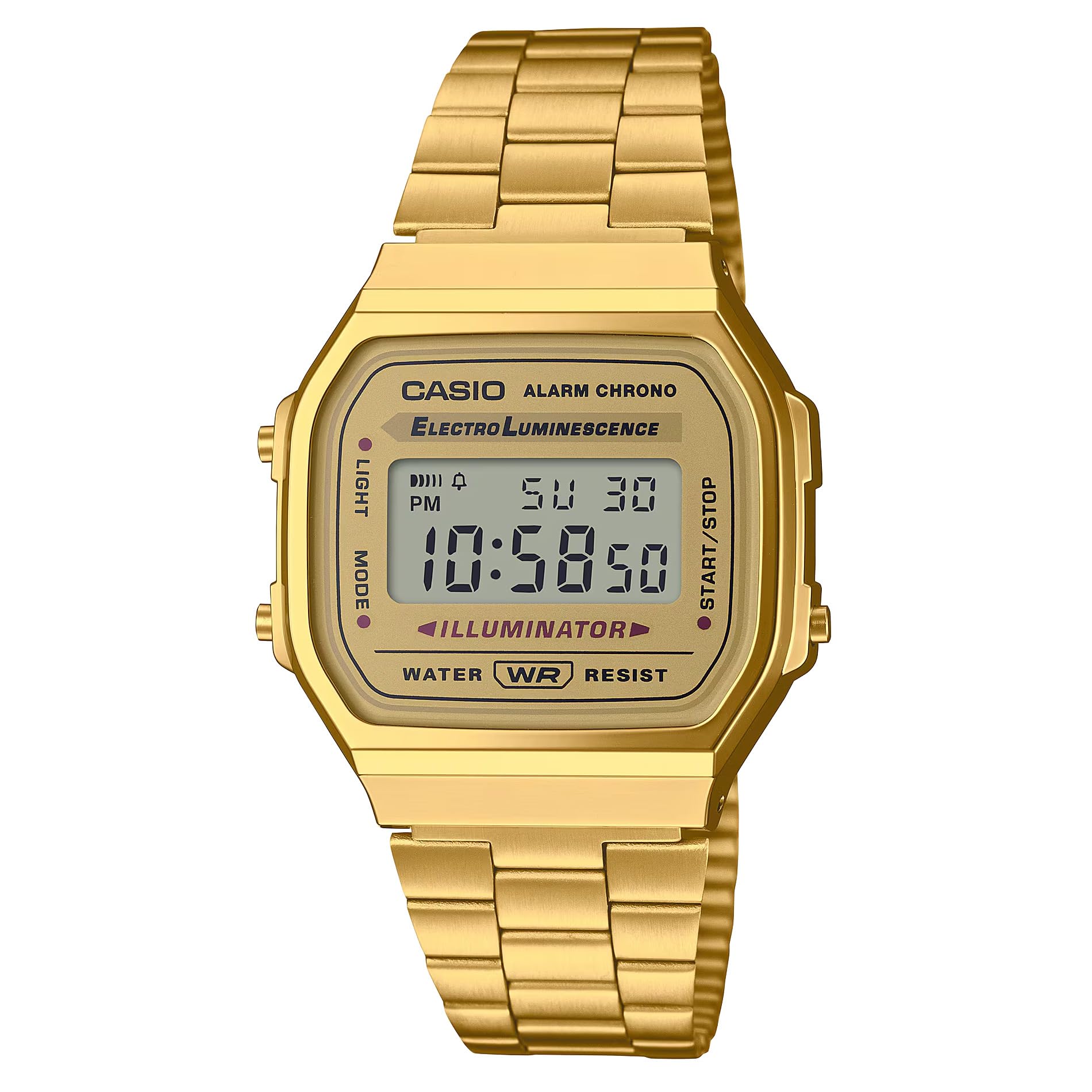
A vintage-inspired watch gives the look of a 1950s dress watch, a field watch or a retro digital with modern accuracy. It is the easiest way to wear a classic style daily without worrying about a fragile old movement.
First-time vintage buyers learning the market
Start with common, well-documented models and sellers who offer returns. A simple hand-wound or quartz piece teaches you what to look for before you consider rarer watches.
Key Features of the Best Affordable Vintage Watches
Condition and originality of dial and parts
On true vintage watches, an original dial with even aging is worth more than a refinished one. Look for matching hands, the correct crown and a case that has not been over-polished. Replaced parts are not always bad, but they should be disclosed.
Service history and movement health
Mechanical movements need cleaning and fresh oil every few years. Ask when the watch was last serviced and request a short video of the second hand sweeping smoothly. A service can cost more than a budget watch, so factor it in.
Seller reputation and return policy
Buy from sellers who describe flaws honestly, show clear photos of the movement and dial, and accept returns. A low price with vague photos is a warning sign.
Case and crystal wear you can live with
Scratches on a vintage case add character, but deep dents, cracks in the crystal or a loose crown stem can mean costly repairs. Sizes are often small by modern standards, so check the diameter before you buy.
Quartz or mechanical
Quartz is the practical choice for daily wear and cheaper to maintain. Mechanical watches offer charm but need servicing. Choose the one you will actually wear.
True Vintage Versus Vintage-Inspired
True vintage watches are pre-owned and unique. Their dials show patina, their movements may be decades old, and each one is slightly different. They reward research but can be unpredictable, and parts are not always easy to find. Vintage-inspired watches are new, come with a warranty and a battery or a fresh movement, and are far easier to live with.
If you are unsure, begin with a vintage-inspired model. You will learn which proportions, dial colors and strap styles you like before you spend on something rarer. Many collectors keep one of each: a reliable retro watch for everyday wear and an older piece for special days.
Popular Vintage Styles
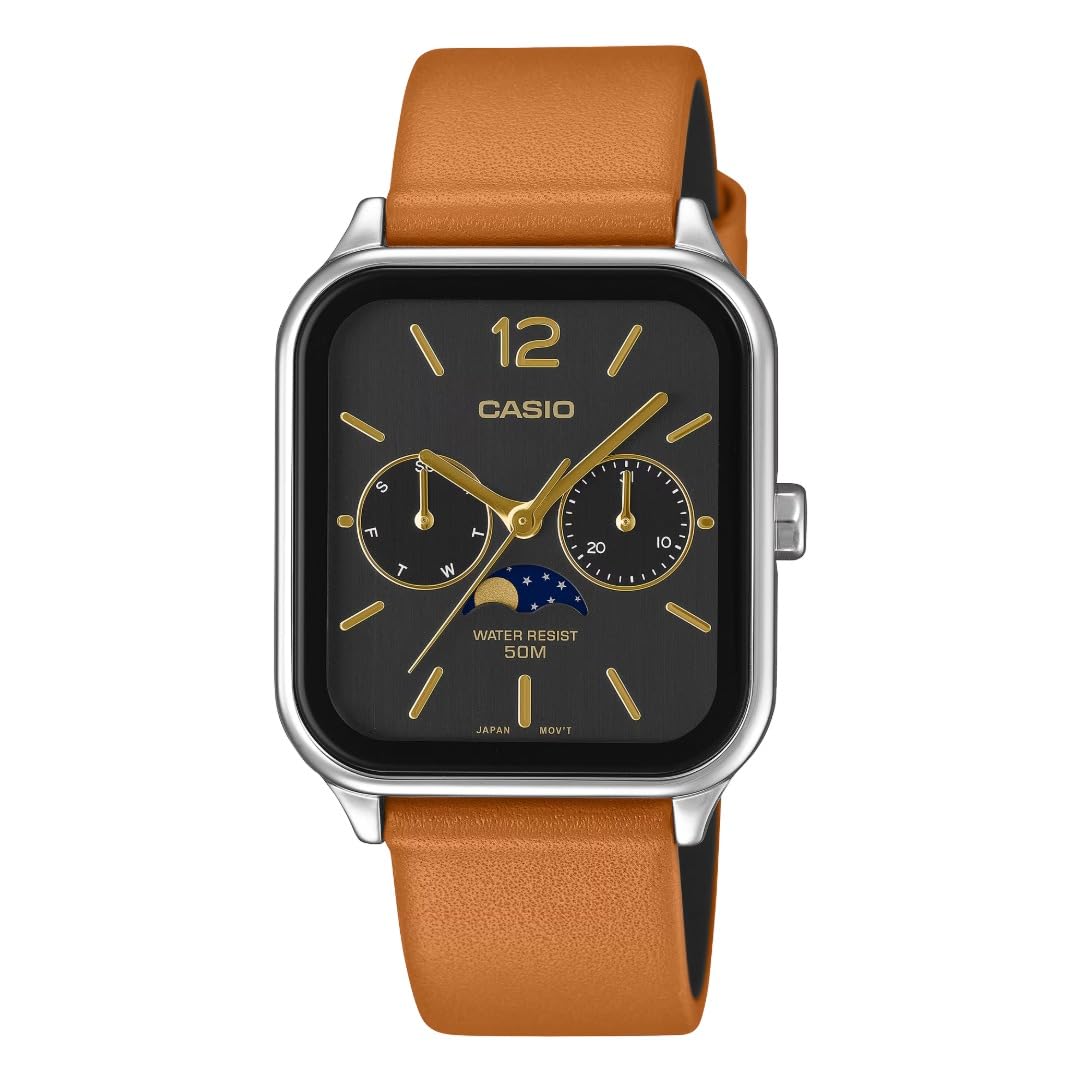
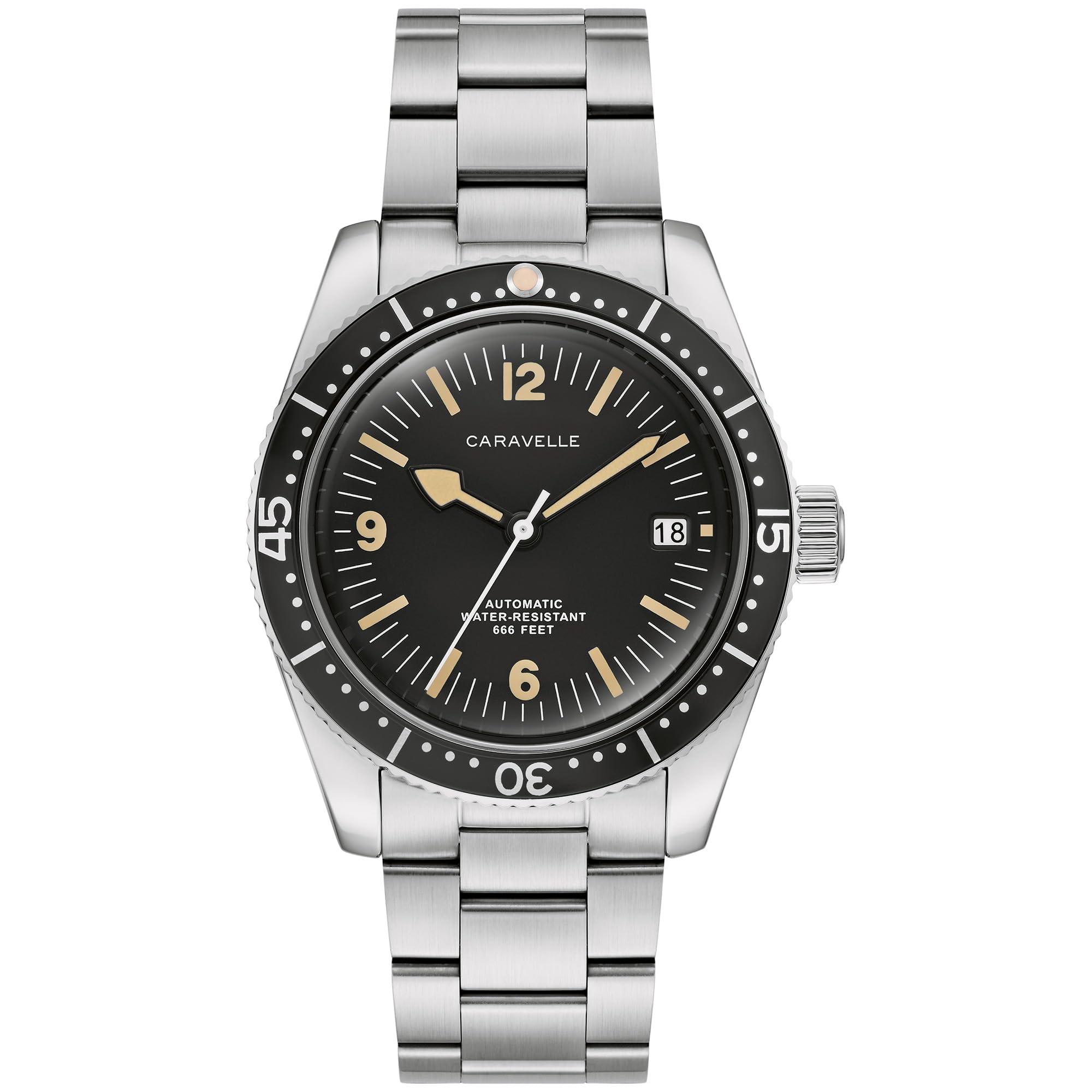
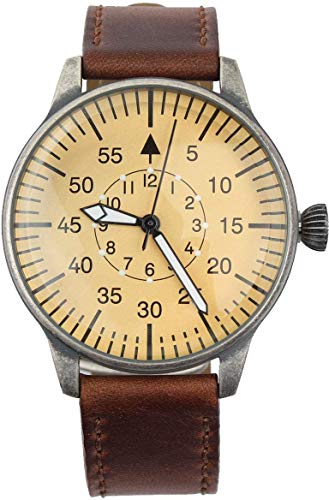
Field and military styles feature clear numerals, matte dials and a rugged case. Dress watches from the mid century have slim cases, small seconds and leather straps. Retro digital watches use simple LCD displays and resin or steel bands. Diver styles from the 1960s and 1970s have rotating bezels and bold hands. Pick the style that fits your wardrobe and wrist, since a small case on a larger wrist can look lost.
Straps change the character as much as the dial. A nylon strap makes a field watch casual, a brown leather strap makes a dress watch warmer, and a metal bracelet gives either a more modern feel.
Spending Smart: Where Your Money Goes Furthest
With true vintage, condition and honest seller history matter more than a low price, because repairs can cost more than the saving. Around $100 to $300 can buy a decent pre-owned mechanical piece in sound condition, while vintage-inspired new watches often cost $20 to $300.
Set a budget before you browse, then allow some flexibility for a watch that clearly fits better. A short list of two or three options is easier to judge than a long list. Comparing sellers and return terms is as important as comparing the watches themselves.
Care and Everyday Use
Avoid water unless you know the seals have been replaced, wind a mechanical watch gently, and store it in a dry, safe place away from magnets. Wipe the case with a soft cloth, and have an older watch looked at by a watchmaker if it gains or loses time or stops.
For vintage-inspired quartz watches, replace the battery when it runs low and ask for a gasket check to protect water resistance. Use a leather strap sparingly in humid weather.
When buying pre-owned, ask the seller for the model reference, close-up photos of the dial under good light, a photo of the movement with the caseback open, and a note on any repairs. Compare asking prices with a few similar listings so you understand the going rate. Consider paying a little more for a seller with a clear return policy.
Mistakes to Avoid
- Paying for a famous name without checking condition
- Ignoring service history and assuming an old movement is fine
- Buying from sellers with vague photos or no returns
- Choosing a case size that is too small or too large for your wrist
- Assuming a vintage-style look means vintage water resistance
Frequently Asked Questions
How do I choose a vintage watch for the first time?
Start with a common model from a reputable seller, ask about servicing and returns, and check photos of the dial and movement. A simple design is easier to evaluate.
How much should I expect to spend?
A useful range is $100 to $300 for a sound pre-owned piece, with vintage-inspired new watches available for much less. Spend more only when condition and history justify it.
Are vintage-style watches the same as vintage?
No. Vintage-style watches are new watches with retro looks. They are cheaper to maintain but lack the age and history of true vintage.
How do I look after a vintage watch?
Keep it dry, wind it gently and store it away from magnets. Have it serviced by a qualified watchmaker.
When should I service or replace a watch?
If it loses or gains time, stops, or shows moisture under the crystal, have it checked promptly. Replace it when repairs cost close to a new watch.
Final Thoughts
Choosing best affordable vintage watches comes down to condition, honest sellers and a style you will wear. The product table summarises current options, and this guide explains what to check first. For related buying guides, see best vintage watches, best looking affordable watches, best affordable wrist watches, best affordable watches for men and best affordable smart watches.


