
Best Affordable House Slippers: Buying Guide for 2026
Disclosure: We may earn a commission when you buy through links on this page, at no extra cost to you. As an Amazon Associate I earn from qualifying purchases. Learn more

A plain guide to the best affordable house slippers: fit, grip, cushioning, materials, and price.
House slippers seem like the simplest purchase in the world until your first pair stretches out, slides on the kitchen floor, or leaves your heels aching by dinner. This guide explains the basics in plain language so you can choose best affordable house slippers with confidence. We will cover fit, cushioning, materials, and the mistakes that send most first pairs to the back of the closet.
You do not need a big budget to get warm, steady, comfortable footwear for home. You do need the right size, a sole with real grip, and cushioning that matches how many hours you spend on your feet. Keep your floor type and your usual indoor temperature in mind as you read. The comparison table below will make more sense once you know which of those factors matters most in your home.


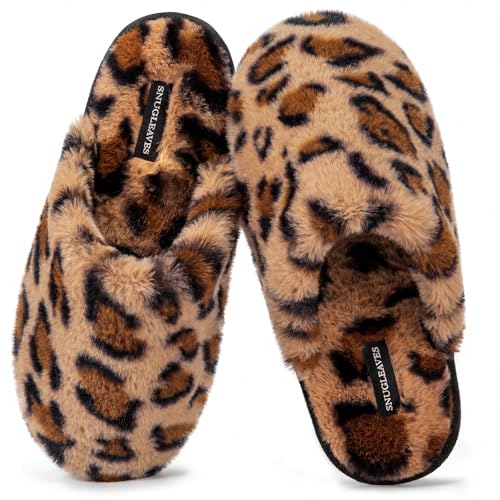


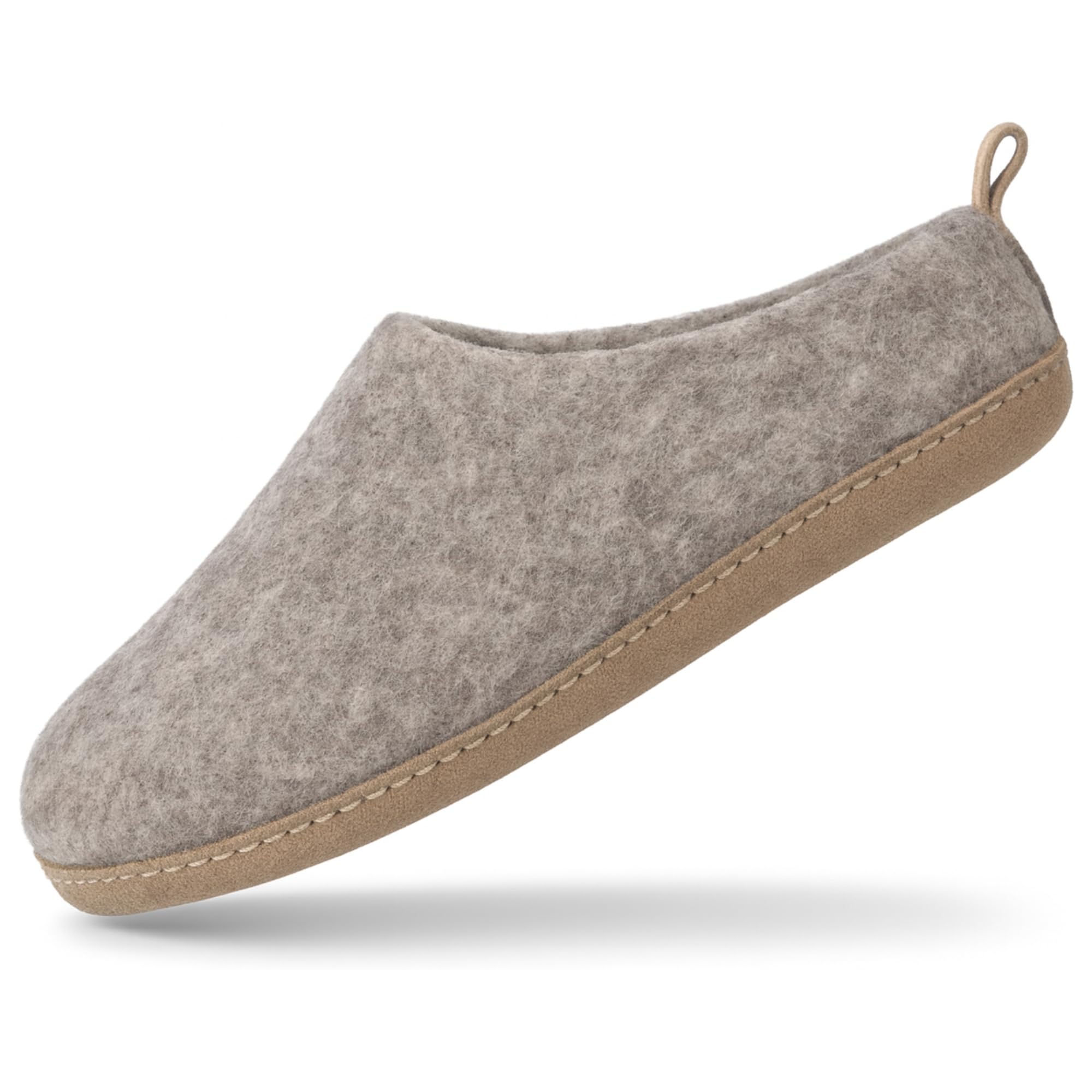

House Slippers 101: The Basics
House slippers are soft indoor shoes built for comfort, warmth, and quick trips across hard floors. Unlike socks, they add a cushioned sole between your foot and cold tile or wood, and unlike outdoor shoes, they stay clean because they never leave the house. The main styles are open back mules that slide on fast, closed back designs that hold the heel, bootie styles that cover the ankle, and simple slip on shapes with a low heel cup.
A few terms explain most listings. The upper is the fabric or leather that covers your foot, and the footbed is the surface your sole rests on. The outsole is the bottom layer that grips the floor, and it may be soft fabric, suede, or rubber. Cushioning usually comes from foam, and memory foam footbeds mold to your foot shape over the first days of wear. Arch support describes how much the footbed rises under your arch, and a wide toe box gives your toes room to spread instead of squeezing together.
If you want a wider view of styles beyond the budget range, our guide to the best house slippers shows how the main shapes compare for warmth and support.
Key Specs Explained in Plain English
What You Can Realistically Get on a Budget
At around $15 to $40, you can expect a foam footbed, a fabric or faux suede upper, and on better models a rubber outsole with real tread. What usually gets cut is arch support quality, durable stitching, and linings that hold their loft after washing. Do not save money by accepting a smooth fabric sole if you have tile, wood, or stairs at home. Grip is a safety feature, not a luxury, and a rubber sole is the one upgrade worth paying for at any price.
Fit, Sizing, and Toe Box
Measure your feet in the afternoon, when they are at their largest, and match that length to the size chart for the exact model rather than your usual shoe size. Slipper sizing runs less consistent than sneaker sizing, and many budget lines use combined sizes that span two shoe sizes. Your heel should sit fully on the footbed without hanging off the back, and your toes should not press the front. A roomy toe box matters if you wear thick socks or your feet swell by evening. If you fall between sizes and the style has a soft upper, sizing up usually feels better than squeezing in.
Weight and Flexibility
Light slippers feel effortless for quick trips around the house, and flexible soles move naturally with your foot on carpet and rugs. The trade off is protection, because a very thin flexible sole lets you feel every edge and cold spot on hard floors. Heavier designs with a firm rubber sole feel more like shoes and suit people who stand in the kitchen for long stretches. A good test is the twist test you can picture from listings. A sole that folds in half with no resistance will likely feel flimsy within a month of daily wear.
Cushioning and Support
Cushioning absorbs the small shocks of walking on hard floors, and support keeps your foot in a steady position while it does so. Memory foam feels plush at first but can flatten under the heel over time, while firmer foam holds its shape longer and suits heavier users. If your arches ache after standing, look for a footbed with a raised arch area and a slight heel cup rather than a flat pad. The heel to toe drop in slippers is small, but a very flat design can strain the calf and the band of tissue under the foot during all day wear. Readers who need firmer structure can compare our guide to the best support house slippers for the features that help tired feet most.
Break In Period and Comfort Out of the Box
Most soft slippers feel good right away, and any pair that hurts on day one is the wrong size or shape for you. Foam footbeds do change during the first week, molding to your heel and arch, so judge the fit after three or four evenings rather than the first minute. Uppers with some stretch forgive minor sizing errors, while stiff suede or leather styles need a few days to relax. Wear new slippers with the socks you plan to use, because a thick sock can turn a snug fit into a squeezed one.
Upper Materials and Breathability
Cotton and knit uppers breathe well and suit warm homes, while fleece and wool blends trap heat for cold floors and winter nights. Faux suede looks tidy and resists scuffs, though it breathes less than knit fabric. Mesh panels appear on some sport inspired styles and keep feet cooler in summer. Breathability matters more than many buyers expect, because warm damp feet make linings wear out faster and can cause odor. If your feet run warm, choose a breathable upper and an open back style that lets air move each time you step.
Choosing House Slippers for Your Situation
Best Affordable House Slippers for Women
When you shop for best affordable house slippers for women, three details matter more than color. First, many women have a narrower heel relative to the forefoot, so a heel cup or closed back style prevents the slip and slide that loose mules cause. Second, lighter overall weight suits smaller frames during all day wear. Third, sizing charts for women often run small in budget lines, so check the foot length in inches rather than trusting the label. Our guide to the best ladies house slippers covers more fit notes for narrow and wide feet.
Other situations deserve a quick thought too. Older adults and anyone unsteady on their feet should choose a closed back style with a firm rubber sole and a low, stable heel, and our guide to the best house slippers for elderly explains those safety details. Cold climate homes call for lined bootie styles, which our guide to the best winter house slippers compares for insulation and sole grip on entry floors.
Rookie Mistakes to Avoid
- Buying your sneaker size without checking the chart. Slipper sizing varies a lot between brands, and combined sizes often run shorter than expected.
- Choosing a fabric sole for hard floors. Smooth bottoms slide on tile and wood, and one slip on stairs can cost far more than a rubber sole would have.
- Judging cushioning in the first minute. Very soft foam feels great in the store and then flattens fast, leaving your heels on a thin pad within weeks.
- Ignoring the wash instructions. Some linings mat down after one machine wash, so check care labels if easy washing matters to you.
- Wearing worn out pairs too long. A compressed footbed and a smooth sole quietly remove the comfort and grip you bought the pair for.
Getting Started: Setup and First Use
There is no assembly, but a few first day habits set up a good experience. Try the pair on in the afternoon with your usual indoor socks and walk on your hardest floor, not just carpet, before you remove any tags. Check that your heel stays in place when you climb a few stairs and that the sole grips on tile when you turn. If the pair feels loose on day one, it will only get looser as the upper relaxes.
Care is simple. Air dry wet slippers away from direct heat, because radiators and hot air vents crack faux suede and warp foam footbeds. Shake out crumbs and dust weekly, and wash only as the label allows, then let the pair dry fully before wearing it again. Replace your slippers when the cushioning stays flat after a night of rest or the tread looks smooth. For most daily wearers that point arrives somewhere between six and twelve months, well before the upper looks worn.
FAQs
How long is the break in period?
Most soft slippers need only two to four days of regular wear before the footbed molds to your foot and the upper relaxes. Stiffer suede styles can take about a week. One point buyers miss is that break in should never involve pain or blisters at home. If a pair still pinches after four evenings, the size or shape is wrong for your foot, and exchanging it beats hoping for more stretch.
Can I wear them all day?
Yes, you can wear supportive slippers all day at home, as long as the footbed has real cushioning and some arch structure. Flat, worn foam is the problem, not the hours themselves. If your feet or calves feel tired by evening, rotate between two pairs on alternate days so each footbed recovers its loft. People with ongoing foot pain, diabetes related foot concerns, or poor circulation should ask their clinician which level of support and coverage suits their feet.
Which slipper material is warmest?
Wool, felted merino, and fleece lined uppers hold the most heat, while cotton and knit styles stay cooler. Wool also resists odor and breathes well, which is why felted wool slippers cost more, often $65 to $90. For cold tile floors, pair a warm lining with a rubber outsole, because the sole matters as much as the upper for keeping heat from the floor out of your feet.
Are expensive house slippers worth it?
They can be, when the extra cost buys a durable rubber sole, a footbed that keeps its shape, and stitching that survives washing. Paying more for decoration alone adds nothing you can feel. A practical way to judge is cost per month of daily wear. A pair at around $35 that lasts a year of evenings often beats three pairs at around $15 that flatten in eight weeks each, in both comfort and total spend.
How often should I replace my house slippers?
Replace them when the heel cushioning stays compressed, the tread looks smooth, or the upper stretches so much that your foot slides inside. For daily wear that is often every six to twelve months, and sooner for very soft foam models. Do not wait for a hole to appear, because support and grip fail long before the fabric does. A fresh pair is also wise after a foot injury, when your gait and support needs may have changed.
How should house slippers fit?
They should feel secure without squeezing, with your heel fully on the footbed and about a thumbs width of room in front of your longest toe. Your foot should not slide forward when you walk down a step, and the upper should hold without your toes gripping to keep the pair on. That gripping habit is a hidden cause of sore toes and tired arches at home. When in doubt between two sizes in a soft style, choose the larger one and add an insole if needed.
Wrapping Up
Start with grip, fit, and cushioning that matches your hours on hard floors, and let warmth and style come after those three. Measure your foot, check the sole material, and plan to replace the pair before the foam gives up. Do that, and the best affordable house slippers in the comparison table above will keep your feet warm, steady, and comfortable every day at home.


