
Best Affordable High End Watches: Buying Guide for 2026
Disclosure: We may earn a commission when you buy through links on this page, at no extra cost to you. As an Amazon Associate I earn from qualifying purchases. Learn more

A plain guide to the best affordable high end watches: movement, case size, water resistance, and warranty.
Buying your first serious watch can feel like learning a new language, with talk of movements, crystals, and lug widths flying past. This guide to best affordable high end watches starts with the plain basics, explains each key spec in simple terms, and shows you where money actually improves a watch. You do not need a collector budget to get a watch that feels well made, keeps good time, and suits your wrist.
Use the comparison table below for a quick scan of sizes, movements, and prices, then work through the sections that follow. By the end you will know which questions to ask, which numbers matter for your daily life, and which extras you can safely skip on a first purchase.
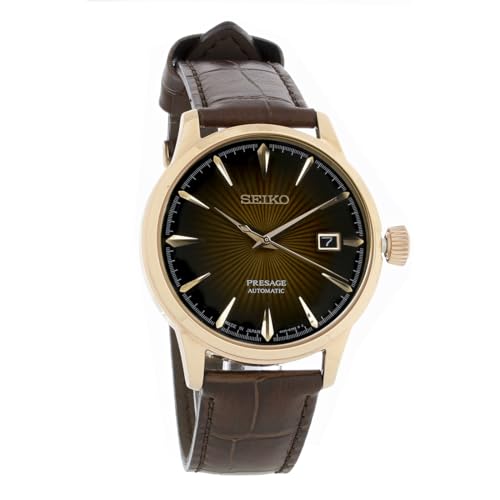


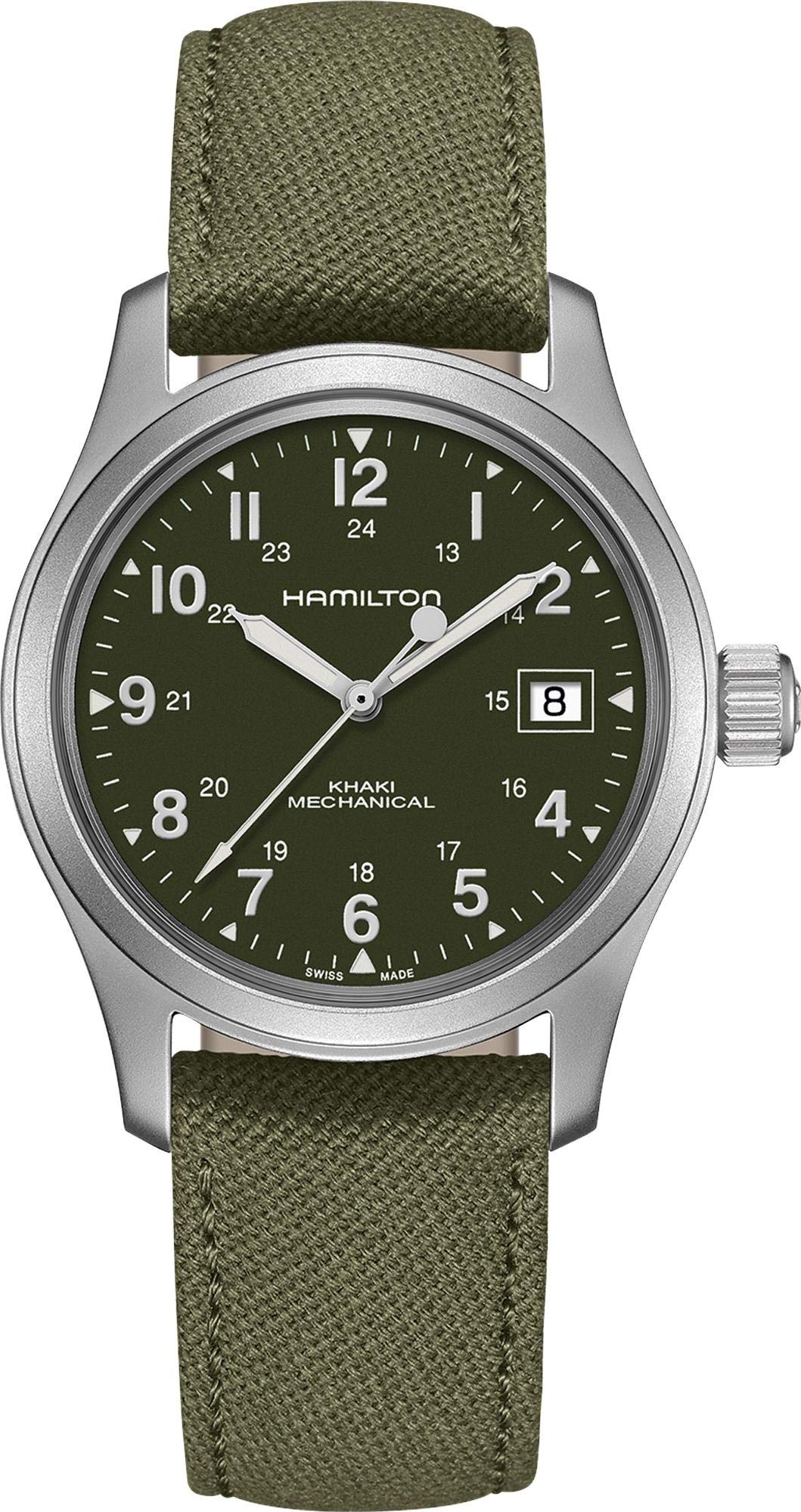


High End Watches 101: The Basics
A high end watch, at an affordable level, means better finishing and materials than a basic fashion watch, not a famous luxury logo. Expect a stainless steel case that feels solid, a crystal that resists scratches better than plain glass, reliable water seals, and a movement from a maker with a service network. The dial should look crisp under light, the hands should align with the markers, and the crown should turn smoothly without wobble.
Watches tell time in three main ways. Quartz watches use a battery and an electronic circuit, automatic watches use a spring wound by your wrist motion, and smartwatches are small computers with screens. Each approach has honest strengths. Your first choice should follow how you live, how much upkeep you enjoy, and how you want the watch to feel, rather than what collectors praise online. If you want to see how the wider category looks, our guide to the best high end watches covers the upper tiers this article stays below.
Key Specs Explained in Plain English
What You Can Realistically Get on a Budget
For around $350 to $1,000 you can realistically get a steel case, sapphire crystal on most models, 100 meters of water resistance, and a dependable Japanese or Swiss automatic or quartz movement. You will not get hand finishing, precious metals, or movements built and decorated in house. Do not cut corners on the crystal and the water seals to save around $30, because those two parts protect everything else. A plain dial from a reputable maker beats a busy dial with weak basics every time.
Movement Type (Quartz, Automatic, Solar, Smart)
Quartz is the accuracy and value leader, often gaining or losing only a few seconds a month, with a battery change every two to three years. An automatic movement appeals if you enjoy mechanical craft. It runs without a battery but needs wearing or winding, and it drifts by several seconds a day. Solar quartz charges from light and can run for years with almost no care. Smart models add notifications and health tools but need charging every day or two. Pick the upkeep style you will actually enjoy.
Case Size and Wrist Fit
Case diameter is the width across the case, and most wrists suit 38 to 42 mm. The number that decides comfort is lug to lug length, the full span that sits on your wrist. If the lugs hang past the edges of your wrist, the watch will feel large even at a modest diameter. Thickness matters too. A case under about 12 mm slides under a shirt cuff, while thick dive styles suit casual wear. Measure your wrist, then check lug to lug before you fall for a dial photo.
Smart and Fitness Features
Smart features can be genuinely useful, including GPS for runs, phone alerts, and sleep tracking. Treat heart rate and similar readings as general wellness information, not medical measurement, and talk with a clinician about any health concern rather than relying on a watch. Battery life is the trade off. A classic watch runs for years, while a full smartwatch needs a charger on every trip. Our guide to the best high end smart watches goes deeper if that connected route appeals to you more than a classic dial.
Brand Reputation, Warranty, and Value
Reputation matters because a watch is a long term object. Look for at least a two year warranty, a US service option, and clear prices for battery changes or movement service. Established makers hold value better and stock spare parts longer, so a ten year old watch can still be repaired. Unknown brands may offer striking specs on paper but vanish before you need a gasket. Keeping the box, papers, and receipt also helps resale later, even if you never plan to sell.
Water Resistance Rating
Water ratings confuse many first buyers. A 30 meter rating means splash resistance only, despite the number sounding deep. Choose 100 meters if you swim or shower with a watch, and 200 meters with a screw down crown for regular diving style use. Seals age, so a watch that was swim safe five years ago may not be today. Have seals checked at battery changes, never press buttons underwater unless the maker allows it, and rinse salt and soap away after swimming.
Rookie Mistakes to Avoid
- Buying by diameter alone. A 40 mm watch with long lugs can wear larger than a 42 mm watch with short lugs, so always check the lug to lug span.
- Chasing the lowest price on a famous design. Very cheap copies often cut the crystal, seals, and movement quality that make a watch last.
- Ignoring strap quality. A thin, stiff strap can make a good case feel cheap, and replacing it adds cost you did not plan for.
- Forgetting service costs. An automatic movement needs professional service every five to seven years, which can cost around $150 to $300.
- Buying a size for fashion photos. Trends change, but a watch that fits your wrist today will still look right in ten years.
Women comparing slimmer cases and strap options can also read our guide to the best women's high end watches, and men weighing classic proportions may find our guide to the best high end men's watches helpful alongside this one.
Getting Started: Setup and First Use
When your watch arrives, check the timekeeping and every function before you remove protective films or tags, in case you need to return it. Set the date away from the late evening hours, because many movements change the date around midnight and the manual may warn against quick setting then. Wind an automatic watch with about 30 turns of the crown before first wear, then wear it daily or store it running down naturally. Rinse the watch after saltwater exposure with fresh water and dry it with a soft cloth. Register the warranty, photograph the receipt, and store the spare strap links you remove so a future owner or a larger wrist day is covered.
If you prefer the grab and go ease of quartz, our guide to the best high end quartz watches explains battery, solar, and high accuracy options in more detail.
FAQs
How water resistant should a watch be?
Choose at least 100 meters if the watch will see swimming, showers, or regular rain without worry. A 50 meter rating handles splashes and brief immersion for most people, while 30 meters means keep it away from water beyond hand washing. Ratings assume fresh seals and a crown pushed or screwed fully in. If you swim often, have the seals pressure checked every couple of years at a service center.
Quartz or automatic: which is better?
Neither is better for everyone. Quartz wins on accuracy, low price, and minimal upkeep, making it ideal for a first watch you wear daily without thought. Automatic wins on craft and the feel of a mechanical movement, at the cost of daily drift and periodic service bills. If the idea of winding and setting your watch sounds like a chore, choose quartz without regret. If it sounds like a pleasure, automatic will reward you.
What case size fits my wrist?
Most wrists between about 6 and 7.5 inches suit cases from 38 to 42 mm. Measure across the top of your wrist and compare that width with the lug to lug length of the watch, since overhang looks and feels awkward. Slim wrists often prefer 36 to 39 mm, while larger wrists can carry 43 to 44 mm. When in doubt, choose the smaller option. Watches almost always wear larger in person than in photos.
How long does a watch battery last?
A typical quartz battery lasts two to three years, though slim movements and heavy use of lights or alarms can shorten that. Solar models avoid routine changes because light recharges a cell that can last a decade or more. When a quartz second hand starts jumping in steps, the battery is warning you it is low. Replace it soon, because an exhausted battery left inside for years can leak and damage the movement.
Is a smartwatch worth it over a classic watch?
A smartwatch is worth it if notifications, GPS workouts, and sleep tracking will change what you do each day. It is not worth it if you mainly want an object that lasts, holds its look, and needs no charging cable on trips. Many owners end up with both, wearing the smartwatch for training and the classic watch for work and events. For a single first purchase, pick the one that matches most of your week, not a single hobby.
Final Thoughts
Focus on fit, movement upkeep, and water resistance, and the rest becomes easy. A watch that sits well on your wrist, suits your tolerance for charging or servicing, and survives your real contact with water will satisfy you for years. That is the honest promise of best affordable high end watches at this level. Shortlist two or three options in the product table above, check their lug to lug numbers and warranty terms, and choose the dial you will enjoy seeing every morning.


