
Best Aesthetic Watches in 2026: Which Type Is Right for You?
Disclosure: We may earn a commission when you buy through links on this page, at no extra cost to you. As an Amazon Associate I earn from qualifying purchases. Learn more

Compare the best aesthetic watches by type, pros and cons, ideal users, and typical price range in this clear buying guide.
Choosing a watch for looks alone can leave you with a piece that feels wrong on your wrist after a week. Dial size, strap feel, weight, and how the case sits all shape whether you reach for it each morning. This guide compares the main types of best aesthetic watches side by side so you can match style to your daily routine first.
You will see what each type does well, where it falls short, and what it usually costs. Start with the comparison table below, then use the sections that follow to narrow your choice by movement, materials, and water resistance.

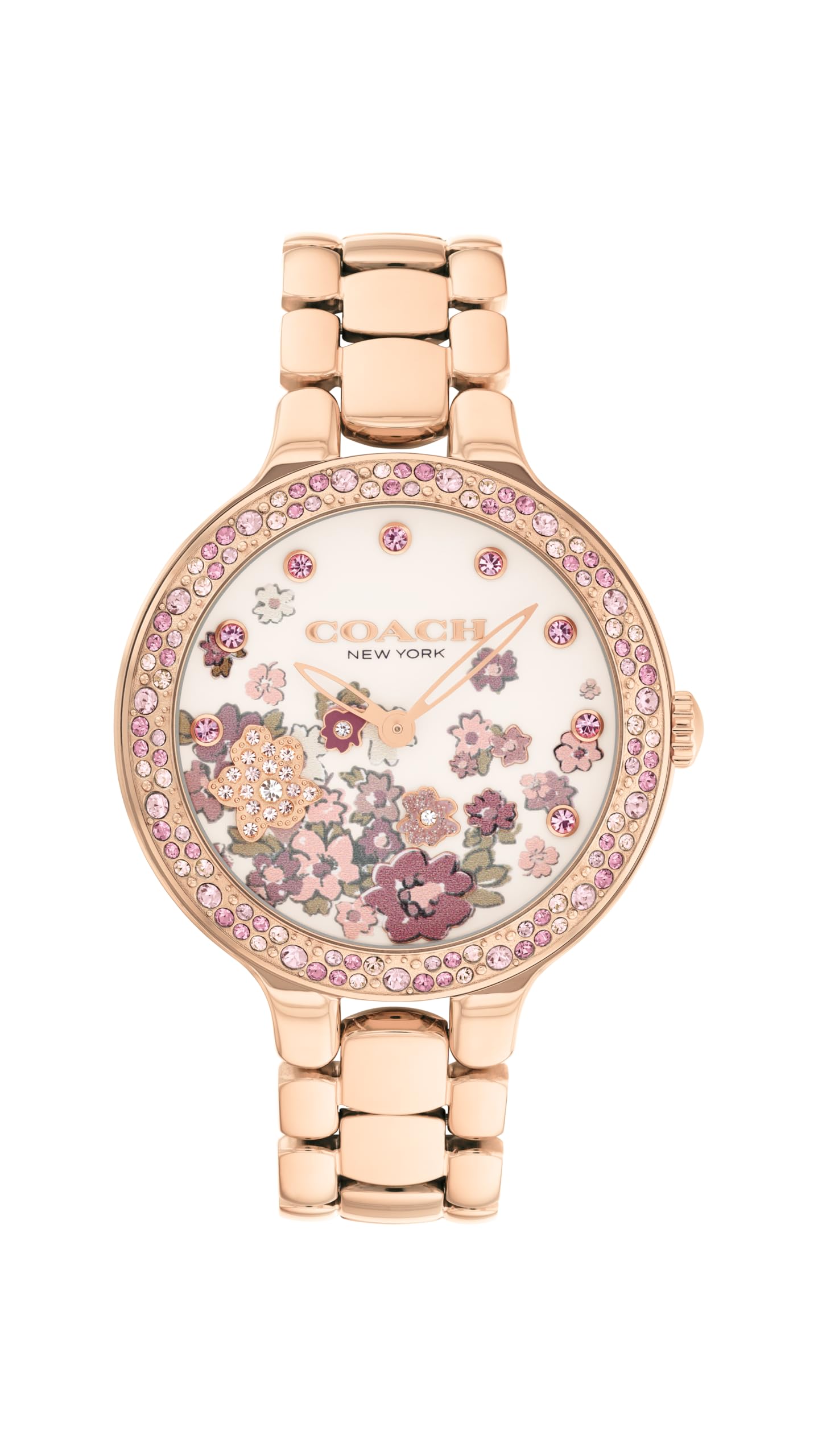
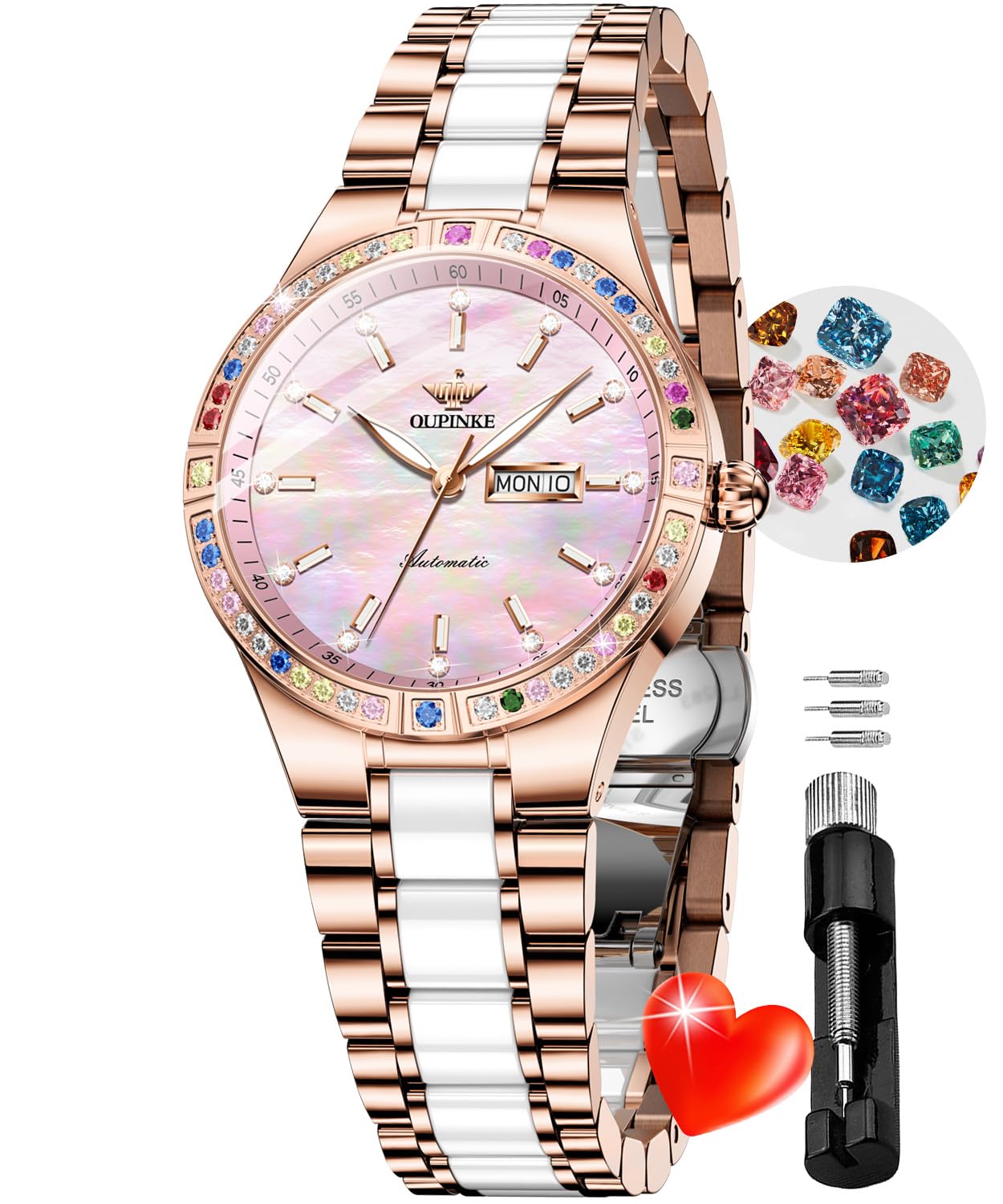


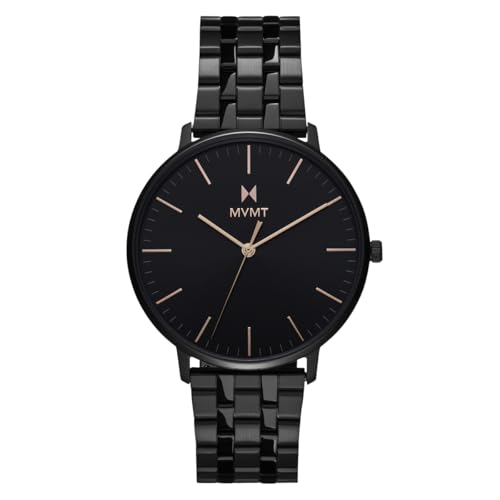

Types of Aesthetic Watches Compared
No single style wins for everyone. A rugged field watch, a slim dress watch, and a bright smartwatch can all look sharp, but they suit very different days, outfits, and budgets. The four types below cover most of what you will find in this price and style range.
As you read, note which trade off matters least to you. If you hate charging, a smartwatch will annoy you. If you hate setting the time, an automatic may not be your match.
Dive and Field Watches
Dive watches bring bold dials, rotating bezels, and strong lume that glows after light exposure. Field watches lean simpler, with clear numerals, matte cases, and straps built for daily wear. Both styles read as sturdy and casual, and both pair well with jeans, boots, and outdoor clothing.
The upside is durability and easy reading at a glance. The downside is bulk, since many cases feel thick and heavy with formal shirts. Choose this family if you want a watch that can handle rain, travel, and weekend work without looking fragile.
Automatic Watches
An automatic watch runs on a mechanical movement powered by wrist motion, with a rotor that winds the mainspring as you move. The appeal is craft and motion, including a smooth sweeping second hand and a case back that sometimes shows the movement. For many buyers, that mechanical feel is the aesthetic draw itself.
Automatics cost more to buy and to service, and they lose or gain a few seconds each day. They also stop after a day or two off the wrist. Pick one if you value tradition and will wear it often enough to keep it running.
Smartwatches
A smartwatch trades classic looks for a bright screen, changeable faces, and sensors for steps, sleep, and workouts. You can shift from a minimal dial at work to a data rich face for a run in seconds. Cases tend to be light, and straps swap fast with a quick release strap system.
The trade off is charging, often every one to two days, and a look that can feel tech focused at formal events. If you want notifications and fitness tracking on your wrist, the function may outweigh that. If you want a timeless look, look elsewhere first.
Quartz Watches
Quartz watches use a battery and a vibrating crystal to keep time with strong accuracy and very little upkeep. This movement allows slim cases, clean dials, and the widest range of dress, minimal, and fashion styles at lower prices. You set it, wear it, and change the battery every few years.
The second hand usually ticks once per second, which some enthusiasts find less charming than a sweep. There is also less mechanical craft to admire. Choose quartz if you want the look you love, at a fair price, with almost no daily fuss.
Dive and Field Watches vs Automatic Watches: Which Should You Choose?
These two families overlap because many dive and field models also use automatic movements, so compare them by use first. For water exposure, a true dive watch with a screw down crown and a rating of 200 meters leads. For office style, a slimmer automatic dress watch will slide under a cuff more easily.
For daily toughness, field styles with mineral or sapphire crystal and simple straps forgive knocks well. For long term charm, an automatic movement rewards regular wear and periodic service. For budget, quartz versions of either style cost less up front. Match the watch to the day you live most often, not the rare special day.
If overall build standards matter most to you, see our guide to the best quality watches for how case finishing and movement quality tend to rise with price. That context helps you judge whether a higher price buys real craft or mostly styling.
How to Choose the Right Aesthetic Watch
Start with size, then movement, then details like crystal and water resistance. A watch that fits your wrist and your routine will look better than a striking design that fights your sleeves or needs care you will not give. Use the five checks below in order.
Water Resistance Rating
A rating of 30 meters means splash resistance only, so remove the watch for hand washing in heavy spray and never swim with it. A rating of 100 meters handles swimming and showering in most cases, while 200 meters suits recreational diving and frequent water use. Ratings assume seals are intact and the crown is fully closed.
Have seals checked after a battery change or case opening, since age and heat can dry gaskets. When in doubt, choose the higher rating if you will wear the watch near water each week.
Legibility and Style
Legibility comes from contrast, hand length, and lume, the glowing material on hands and markers. Large numerals and bright lume suit sport and field styles, while slim indices and low contrast dials suit dress styles but can be harder to read in dim light. Decide where you will read the watch most often.
Style should match your wardrobe anchor pieces. A brushed steel case and dark dial work across most outfits, while gold tone cases, bright colors, or oversized cases make a stronger statement and pair with fewer clothes.
Smart and Fitness Features
Smart features can include GPS for route tracking, heart rate sensing, sleep logs, and phone alerts. They are helpful for training structure and daily habits, but they are not medical devices and should not replace care from a clinician. Battery life drops fast when GPS and a bright screen run together.
If training is your main use, compare your short list with our guide to the best workout watches to see how sport focused models handle sensors and durability. For a mostly classic look, a simple watch plus a phone may cover your needs with less charging.
Movement Type (Quartz, Automatic, Solar, Smart)
Quartz leads for accuracy and low cost, with a battery change every two to four years in many models. Automatic leads for craft and a sweeping hand, but needs wear or a winder and service every five to seven years. Solar charges from light and reduces battery changes, though it still stores power in a cell that ages.
Smart movements add screens and sensors but need the most charging and software support. Pick the movement whose upkeep you will actually keep up with, since a stopped watch has no aesthetic value on your wrist.
Crystal and Case Materials
Sapphire crystal resists scratches best and stays clear for years, while mineral glass costs less and can chip or scratch with hard knocks. Acrylic is light and warm in tone but marks easily, though light marks can often be polished. For most buyers who keep a watch for years, sapphire is worth paying for.
Stainless steel, often grade 316L, balances weight, corrosion resistance, and polish. Titanium feels much lighter and suits larger cases, but it can show surface marks and costs more. Case diameter should be judged with lug to lug length, since that span decides overhang.
How to Make Your Aesthetic Watch Last Longer
Service an automatic watch every five to seven years, or sooner if timekeeping shifts or water resistance matters to you. Rinse any watch after saltwater exposure with fresh water, dry it with a soft cloth, and keep the crown closed before rinsing. Store watches away from magnets, strong heat, and direct sun when not worn.
Rotate straps to let leather dry, and clean steel bracelets with a soft brush and mild soap to remove skin oils. A padded single watch roll protects the crystal in a bag far better than loose storage.
Shopping for a gift adds another layer, since wrist size and taste vary. If you are buying for a man in your life, our guide to the best watches for guys covers popular case sizes and strap styles by age and routine.
For a bolder, more rugged look in that same gift search, the styles covered in our guide to the best manly watches show how larger cases and darker dials change the overall feel. Compare those proportions to the wrist of the person who will wear it.
More broadly, browsing our guide to the best male watches can help you see how dress, sport, and casual families differ before you commit to one aesthetic lane.
Aesthetic Watches: Your Questions Answered
Quartz or automatic: which is better?
Neither is better for everyone, since they solve different problems. Quartz is more accurate, thinner, and cheaper to own, which suits a set and forget routine. Automatic offers mechanical craft and a smooth sweep, but needs regular wear and paid service. Choose based on upkeep you accept, not on status.
How long does a watch battery last?
Most quartz watch batteries last about two to four years, depending on features and use. Chronograph timing, backlights, and alarms drain power faster than simple time only models. When a second hand starts jumping every few seconds on some models, that is often a low battery signal. Replace the battery promptly to avoid leakage risk.
Is a smartwatch worth it over a classic watch?
A smartwatch is worth it if you will use its alerts, timers, and health tracking each day. If you mostly want a finished look that lasts for years without charging, a classic watch wins. Many owners end up with both, using the smartwatch for training days and the classic watch for work and events.
How water resistant should a watch be?
Choose at least 50 to 100 meters if you will swim or shower while wearing it. A 30 meter rating covers splashes only, despite what the number suggests. A 200 meter rating is the safer pick for frequent swimming and water sports. Always confirm the crown is closed before any water exposure.
What case size fits my wrist?
Most wrists suit a case diameter of about 36 to 42 mm, with lug to lug length under the width of your wrist. Measure your wrist, then check that the lugs do not hang past its edges in photos or in person. Slim wrists often look balanced with 36 to 38 mm, while larger wrists can carry 42 to 44 mm.
Wrapping Up
Fit, movement, and water resistance decide more of your satisfaction than any single dial color. Pick the type that matches your routine first, then choose the finish and strap that match your wardrobe. Compare your final choices in the product table above before you buy.
When you focus on those basics, the best aesthetic watches for you become easy to spot. You get a watch that looks right, feels right, and earns a place in your daily rotation.


