Best 4 Gallon Shop Vacs (2026): Corded or Cordless, Filters and Fit
Disclosure: We may earn a commission when you buy through links on this page, at no extra cost to you. As an Amazon Associate I earn from qualifying purchases. Learn more

A guide to the best 4 gallon shop vac for garages, cars and small shops, with filter and care tips.
A house vacuum gives up fast on sawdust, drywall crumbs, and a puddle in the garage, but a full size shop vac eats up closet space you may not have. The best 4 gallon shop vac sits in the middle of that trade off. It holds enough for a real cleanup, lifts with one hand, and still handles wet spills that would ruin a household machine.
This guide compares the main types in this size by suction power, runtime or cord length, weight, and the features that change daily use. The comparison table below lines up the key specs side by side.





Who Should Buy a 4 Gallon Shop Vac?
Homeowners With Small Garages and Workshops
You need one machine for car mats, workbench dust, and the grit that collects by the door, but floor space is tight. A 4 gallon tank stores on a low shelf or in a corner, and the short hose reach suits a single bay garage. If your cleanup jobs run longer than an hour, step up to our broader guide to the best shop vac options in larger sizes.
Apartment and Condo Owners
You clean up after small repairs, litter spills, and balcony messes, and you store everything in a closet. A compact 4 gallon model fits that space, and many are light enough that carrying them up stairs is easy. Renters also like that the tank rinses clean, leaving no odor behind for the next use.
Car Owners Who Detail at Home
Crumbs under seats, sand in footwells, and pet hair on cargo mats all call for strong suction in a tight space. A 4 gallon model with a crevice tool reaches under seats without dragging a heavy tank around the driveway. For a setup built only around vehicle work, see our guide to the best shop vac for car detailing.
The Main Types in This Size
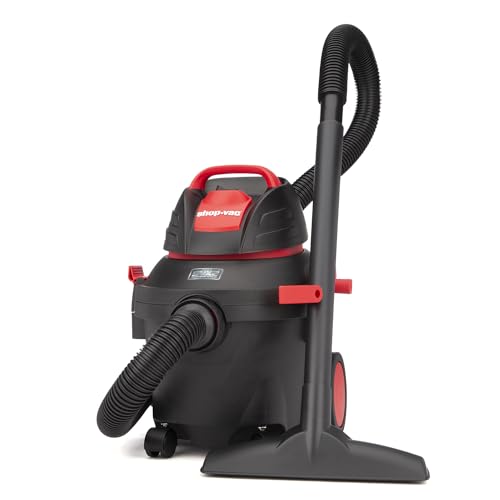
Corded models are the most common in the 4 gallon class. They run as long as you need, cost the least, and deliver steady suction for wet pickups like a leaking water heater pan. The limit is the cord, which is often short, so driveway work may need an outdoor rated extension cord.
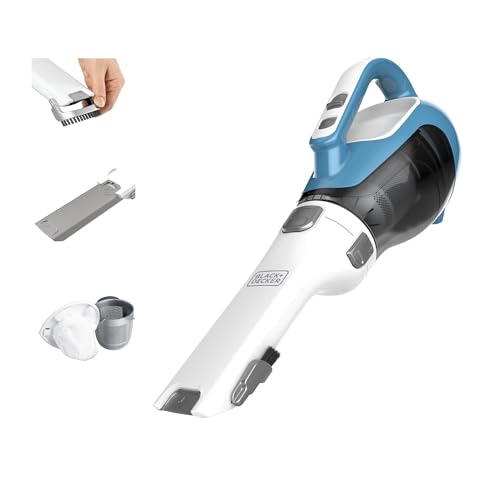
Cordless models trade some suction for freedom of movement. They shine for quick car cleanups and spot messes where dragging a cord costs more time than the job itself. Runtime on one battery is limited, which covers a car interior but not a full workshop sweep. Our guide to the best cordless shop vac covers battery options in more depth.
A third group adds a detachable blower, where the motor unit lifts off the tank and clears leaves and dust from hard surfaces. Stainless steel tank models form a smaller niche group, chosen for rust resistance in damp basements and tanks that wipe clean after plaster dust jobs.
Key Features to Compare
Suction Power and Airflow
Manufacturers rate shop vacs by peak horsepower, airflow in cubic feet per minute, and sealed pressure, the lift the motor holds against a sealed hose. For a 4 gallon model, compare airflow figures when listings give them, and note that higher sealed pressure helps pull water up a hose. Treat peak horsepower as the least useful number, since brands measure it at the motor shaft, not at the nozzle.
Tank Size and Form Factor
The 4 gallon rating is the tank capacity, not the amount of debris you should leave sitting in it. Wet pickup fills the usable space faster, since a float shuts off suction before the tank overflows. Tall narrow tanks tip less in a car footwell but can be awkward to empty, while wide low tanks sit stable on a garage floor. Check the footprint against your storage space before you buy.
Hose, Cord, and Reach
Most models in this size ship with a hose in either a narrower or a wider diameter. The narrower hose clogs less often on fine dust but plugs on wood chips, while the wider hose swallows chunky debris and slows down on flour fine material. Add the cord length to the hose length to get your true working radius from the outlet, and confirm the hose locks onto the tank so it does not pop off mid job.
Filtration and Bags
A standard cartridge filter handles sawdust and dry dirt, but fine dust from drywall or cement passes through many basic filters and coats the motor. A HEPA rated filter or a fine dust filter bag keeps that material in the tank and extends filter life, since the bag catches debris first. Bags also make emptying cleaner, though they add a running cost. Never run a paper cartridge filter for wet pickup unless the maker rates it for water.
Weight and Portability
Empty weight in this class is modest, and a tank full of water adds a lot. A top handle balanced over the tank center makes the load feel lighter than the same weight on an offset handle. Caster wheels help on smooth floors but catch on cords and gravel, so carry handles matter more for yard and stair work.
How to Choose the Right Shop Vac
Corded or Cordless Power
Choose corded if most jobs happen near an outlet and run longer than a few minutes, since suction stays constant and the price stays lower. Choose cordless if your work is mostly quick pickups in cars, boats, or rooms far from outlets. Some buyers keep a cordless unit for the car and a corded one for the garage, but one 4 gallon machine in either style covers most homes.
Battery Platform and Brushless Motors
If you already own cordless tools, a shop vac that shares that battery platform saves the cost of a second charger and spare packs, and it turns batteries you own into runtime. Brushless motors appear on higher priced cordless models and run cooler with less wear, since there are no carbon brushes to replace. On a small vac used in short bursts, that durability edge matters less than battery size, so weigh a larger battery pack ahead of motor type.
Features Worth Paying For
A drain port sounds minor until you lift a tank holding gallons of water, so pay for it if wet jobs are routine. On board accessory storage keeps nozzles from vanishing in a crowded garage. A detachable blower earns its cost only if you actually clear leaves or dust from hard surfaces. Skip paying extra for oversized accessory bundles full of brushes you will never fit to the hose.
Accessories and Warranty
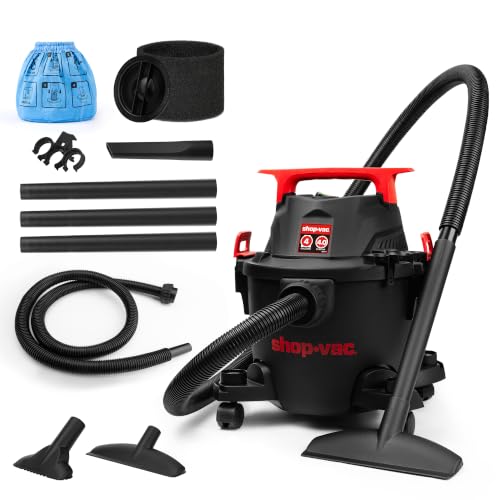
The core kit should include a utility nozzle, a crevice tool, and at least one extension wand. Check that replacement filters and bags are easy to find, since a vac with scarce filters becomes useless once the cartridge clogs. Warranty terms vary, and a longer term usually signals sturdier motor construction.
How Much Should You Spend?
Basic corded models sell for under $50 and cover dry debris and small spills well. The middle band, about $50 to $100, adds stronger motors, better filters, and longer cords. Spending about $100 to $150 usually buys a cordless model with a battery included or a corded unit with a blower function. Above that level, gains shrink for home use, and the money often works harder on a larger tank.
Is a 4 Gallon Shop Vac the Right Size for You?
Four gallons covers a single room cleanup, a car interior, or a small flood from a sink without an emptying trip. The tank fills fast on leaf piles, attic insulation, or a full workshop sweep, and those jobs suit a 10 gallon or larger machine. If storage space is your main limit, our roundup of the best small shop vac models compares this size with even smaller options.
Think about your worst regular job rather than your average one. A homeowner who vacuums two cars and a workbench each month will rarely fill 4 gallons in one session. A woodworker who planes boards weekly will fill it in minutes, since bulky chips take up far more tank volume than their weight suggests.
Common Mistakes to Avoid
- Using the dry cartridge filter for a big water pickup, which soaks the paper and ruins suction until it is replaced.
- Letting fine drywall dust run without a filter bag, which clogs the cartridge and strains the motor.
- Buying by peak horsepower alone, which ignores airflow and leads to a loud machine that still picks up poorly.
- Ignoring the stored footprint, so the vac ends up blocking a doorway instead of fitting the planned shelf.
- Vacuuming ash, drywall screws, or sharp metal without checking the tank first, since hot ash can melt a plastic tank and sharp debris can puncture a bag.
- Skipping the float check before wet work, because a stuck float lets water reach the motor.
How to Make Your Shop Vac Last Longer
Empty the tank after wet jobs and leave the lid off until the inside dries, since stored moisture grows odor and corrodes metal fittings. Tap dust out of the cartridge filter outdoors after dry jobs, and wash it only if the maker rates it as washable. Rinse the foam sleeve used for wet pickup and let it dry fully before the next use.
Inspect the hose for cracks at the cuffs, where flexing concentrates wear, and coil it loosely rather than hanging it on a narrow hook. If this is your first unit, our walkthrough on how to use a shop vac covers the setup steps for switching between wet and dry work. Store the vac indoors, since sun and freezing garages age plastic tanks and hoses faster than use does.
FAQ
What is the best 4 gallon shop vac for a small garage?
A corded model with a wide low tank suits a small garage best, since it stays stable on concrete and runs as long as the job takes. Look for a longer hose so you can reach under benches without moving the tank. A shelf sized footprint matters as much as suction when every square foot is spoken for.
Can a 4 gallon shop vac pick up water?
Yes, wet pickup is a core job for this size, and the float inside the tank stops suction before water reaches the motor. Remove the paper filter or swap to the foam sleeve first, since a soaked cartridge loses airflow and can grow mildew. Tip the tank toward the drain or pour it out right after the job rather than storing standing water in it.
Is a 4 gallon shop vac big enough for a workshop?
It is big enough for bench top dust, drill shavings, and tool cleanup between steps. It is not big enough as the only collector for a planer or table saw session, where chips fill the tank in a few passes. Many hobbyists use the small vac at the bench and empty it into a larger bin.
How often should you change a shop vac filter?
Change the cartridge when suction drops and tapping or rinsing no longer restores airflow, which for most home users happens after months of regular use. Heavy drywall or cement dust shortens that span a lot. A torn or collapsed cartridge should be replaced right away, since dust passing through it wears the motor bearings.
Does a cordless 4 gallon shop vac match corded suction?
Not quite. Cordless models in this size move less air per minute than corded ones, so they take an extra pass on packed grit and wet debris. They still handle crumbs, litter, and light sawdust well. The gap matters most on water, where corded lift pulls a full hose of water more reliably.
Final Thoughts
The best 4 gallon shop vac is the one whose power source, filtration, and footprint match the jobs you actually do each month. Corded models win on steady suction and price, cordless models win on speed for small messes, and blower models win when one tool must do two jobs. Use the product table above to compare the specs that matter for your space, and your pick should serve for years of garage, car, and cleanup work.