Best 20 Inch TVs 2026: Small Screen Buying Guide
Disclosure: We may earn a commission when you buy through links on this page, at no extra cost to you. As an Amazon Associate I earn from qualifying purchases. Learn more
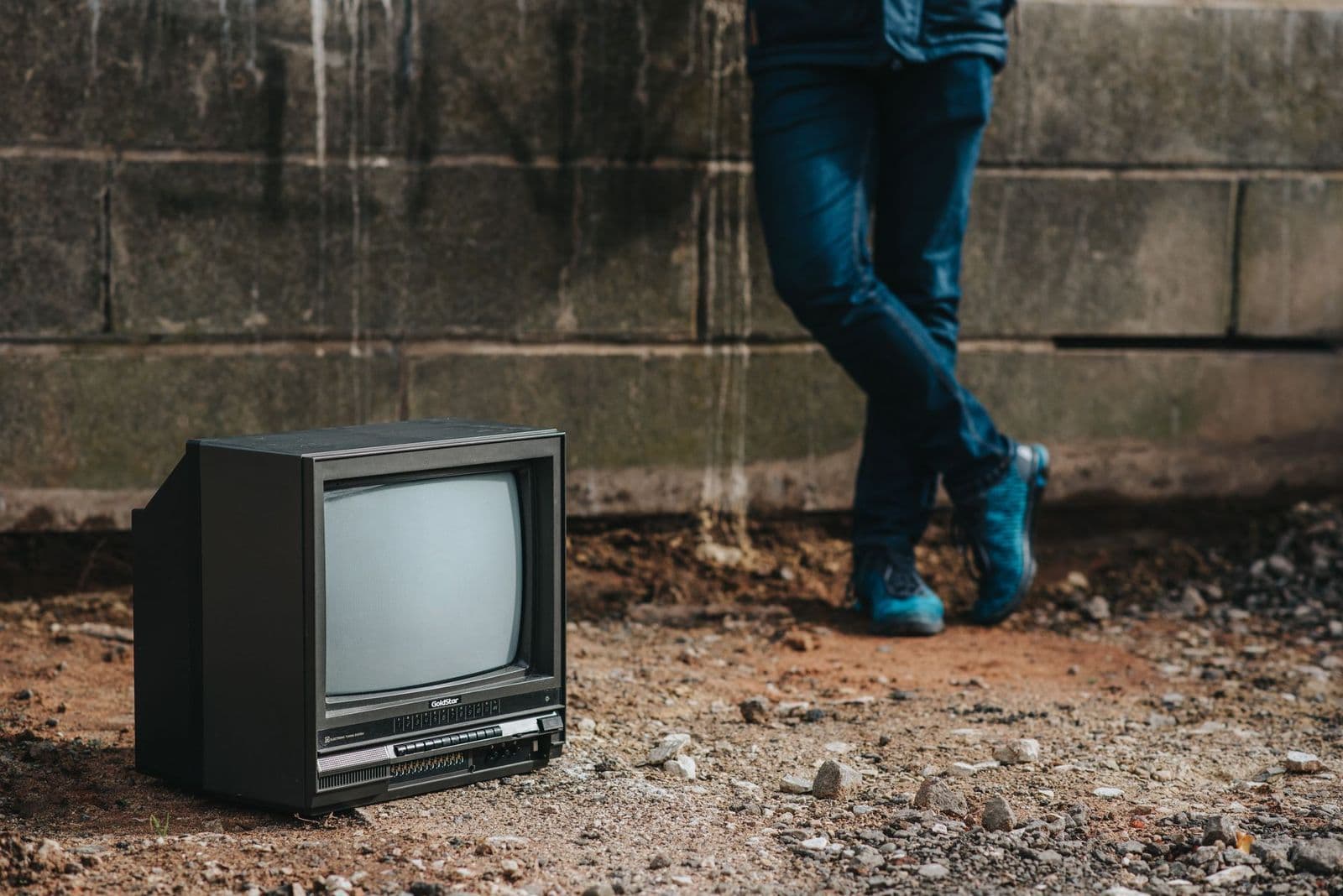
Best 20 inch TVs for kitchens, bedrooms, and small rooms, with tips on picture, sound, and placement.
Choosing a 20 inch television can feel confusing when every option promises a better result, and this guide is here to make the choice clearer for a kitchen, bedroom, workshop, or small room where a large screen would overwhelm the space. The search for best 20 inch tvs usually starts with a simple need, such as more comfort, better performance, or a better fit for daily life. This guide explains what matters, what to check before you buy, and which trade offs are worth accepting.
Instead of ranking models or praising one design above all others, this guide focuses on the factors that shape real satisfaction over time. You will learn how size, quality, and everyday practicality interact, and how to match those factors to your own space, budget, and habits.
Read the sections in order for a full picture, or jump to the part that answers your most pressing question. Each section ends with a practical check you can apply while shopping, and the frequently asked questions near the end cover the doubts that most buyers raise. By the final section, you should feel confident about what to look for and what to avoid.
Who Should Buy One
A 20 inch television suits people whose daily routine matches its strengths, and it suits a kitchen, bedroom, workshop, or small room where a large screen would overwhelm the space particularly well when the main need is clear. Think about how often you will use it, where it will live, and who else will share it. A choice that fits those answers will feel easy to live with, while a choice made on looks alone may disappoint within weeks.
Some buyers need a simple, reliable option for everyday use, while others need extra capacity, stronger performance, or special features for a particular task. List your top three needs before shopping, and let those needs guide every comparison. If a model fails on a top need, its other strengths rarely make up for that gap in daily use.
Key Features to Compare
The features below explain what to compare in plain language, and they apply whether you are shopping online or in a store. Focus on the features tied to your top needs first, then use the remaining features to separate close options. A model that scores well on your priorities is a better buy than a model with a longer feature list that misses them.
Picture Quality at Small Size
A small screen still benefits from good contrast and accurate colour, even though fine detail is less obvious at a distance. Check how the picture looks from your usual seat and from an angle, since small rooms often mean off centre viewing. A panel with even backlighting looks better in dark scenes than one with bright patches.
Sound in a Small Room
Built in speakers on a small television are often modest, so listen for clear dialogue rather than deep bass. A headphone output or a simple soundbar connection helps in a bedroom or kitchen where others may be sleeping or working. Check the volume range, because a set that is too quiet at low volume can be frustrating.
Placement and Mounting
Measure the shelf, wall, or counter space and check the stand width, not just the screen size. A wall mount frees counter space in a kitchen, but it needs a solid fixing and a clear cable path. Think about glare from windows and kitchen lights, and choose a spot where the screen faces the main seating area.
Smart Features and Inputs
Smart apps save the need for an extra streaming device, but a simple set with an HDMI input can work just as well with a stick you already own. Count the inputs for a streaming stick, a game console, or a cable box, and check that the remote is easy to use. A clear menu matters more than a long app list you will never open.
Types and Options to Compare
The main types of 20 inch television differ in size, construction, and intended use, and those differences shape price and performance. A compact or basic type suits tight spaces and simple routines, while a larger or more capable type suits heavy use and demanding conditions. Compare types by how they handle your busiest days, not by how they handle an ideal day.
Price often rises with capacity, durability, and extra features, but the most expensive type is not always the best value for a given household. Check what each type includes as standard, and what you would need to add separately. A mid range type with the right core features often gives the best balance of cost and long term satisfaction.
Setup and Everyday Use
Good setup makes a real difference to how a 20 inch television performs, so follow the maker guidance and take time over the first setup. Check measurements, connections, and placement before finalising anything, and try the main functions in your own space. A careful first setup prevents many common frustrations and protects the product from avoidable wear.
Everyday use should feel straightforward, with controls that are easy to reach and understand, and a routine that fits your schedule. Keep the items you need close at hand, and note any settings that work well for your space. Small habits, such as regular cleaning and a quick check before heavy use, keep performance steady over time.
Care, Mistakes to Avoid, and Long Term Value
Regular care keeps a 20 inch television working well, and it usually takes only a few minutes at a time. Clean as the maker advises, store it properly when not in use, and address small issues before they grow. A product that is looked after tends to last longer and feel better to use, which protects the money you spent.
A common mistake is choosing on price alone, without checking fit, capacity, or compatibility with your existing setup. Another mistake is ignoring the return policy and warranty terms, which matter when a product does not suit your space. Measure twice, read the key specifications, and keep packaging until you are sure the choice is right.
If you want to compare nearby options before you decide, the related guides on best 65 inch tvs, best 55 inch tvs, best 50 inch tvs, and best 85 inch tvs cover similar choices and use cases. Read the guide that matches your situation most closely, then return here with a clearer sense of your priorities. Comparing two or three related guides often reveals a detail that a single guide cannot cover alone.
Frequently Asked Questions
Is a 20 inch TV big enough for a bedroom?
Yes, a 20 inch television suits a small bedroom, especially when the bed is close to the screen. Measure the viewing distance and picture the screen from your pillow, since a larger set can feel overwhelming in a tight room. A mount or a low stand that faces the bed squarely makes a small screen feel comfortable.
Where does a 20 inch TV work best?
A 20 inch set works well in kitchens, bedrooms, workshops, caravans, and small offices where space is limited. It fits on a counter or a narrow shelf and leaves room for other items. Choose a spot with a clear view, a nearby power outlet, and protection from steam, dust, or direct sunlight.
Do small TVs have good picture quality?
Small televisions can look sharp and pleasant, because the same resolution is packed into fewer inches. Colour accuracy and contrast matter more than raw resolution at this size. Check the picture in person if possible, and pay attention to dark scenes and skin tones rather than bright showroom demos alone.
Can I use a 20 inch TV as a computer monitor?
Yes, a 20 inch television can serve as a basic monitor through HDMI, though text may look less crisp than on a dedicated monitor. Check the input lag and text clarity if you plan long work sessions, and sit at a comfortable distance. For casual browsing and video, a small television works fine as a second screen.
What should I check before buying a small TV?
Check the exact width with the stand, the input count, the sound quality, and the remote layout. Measure your space twice, including the depth of the stand and room for cables. Confirm the return policy too, because a set that looks fine in a shop may feel different once it is in your room.
Final Thoughts
When you compare options for best 20 inch tvs, return to your top three needs and to the checks in this guide. A choice that meets those needs, fits your space, and stays within your budget will serve you well day after day. Take time over measurements and key specifications, and do not rush a decision that you will live with for years.
If you remain unsure between two close options, choose the one that is easier to set up, easier to care for, and easier to return if it does not suit your home. Practical ease often matters more than a small specification advantage, especially after the novelty fades. With a clear plan and a careful check of the details in this guide, you can buy with confidence and enjoy the result.