Best 2.5 Gallon Shop Vacs (2026): Buying Guide
Disclosure: We may earn a commission when you buy through links on this page, at no extra cost to you. As an Amazon Associate I earn from qualifying purchases. Learn more

What to check before you buy the best 2.5 gallon shop vac: power source, filter type and storage, and which type fits your home.
A small shop vac sounds simple until you start comparing suction ratings, hose lengths, filter types, and power sources that all claim to suit the same jobs. The best 2.5 gallon shop vac for your garage or car depends less on the tank number and more on how you clean, where you store the machine, and whether you pick up water as often as dry debris. This guide sorts the main types and the specs that actually matter so you can choose with confidence.
Use the comparison table below to line up capacity, power source, and filter options side by side, then read on for the sizing and feature details that a spec sheet alone cannot tell you.

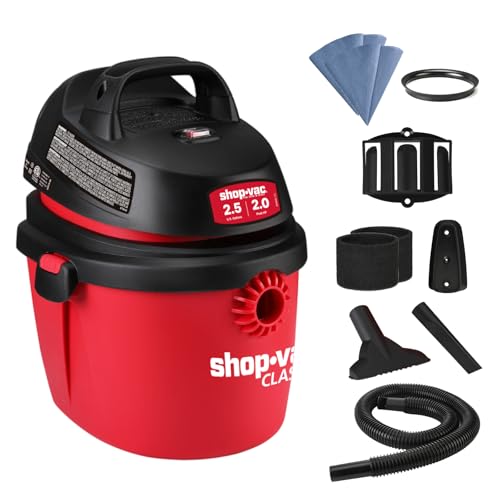


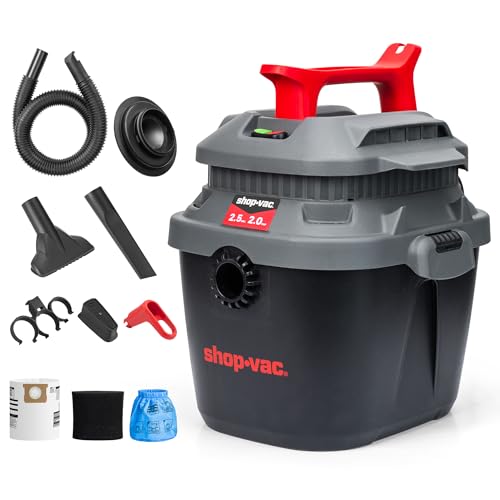

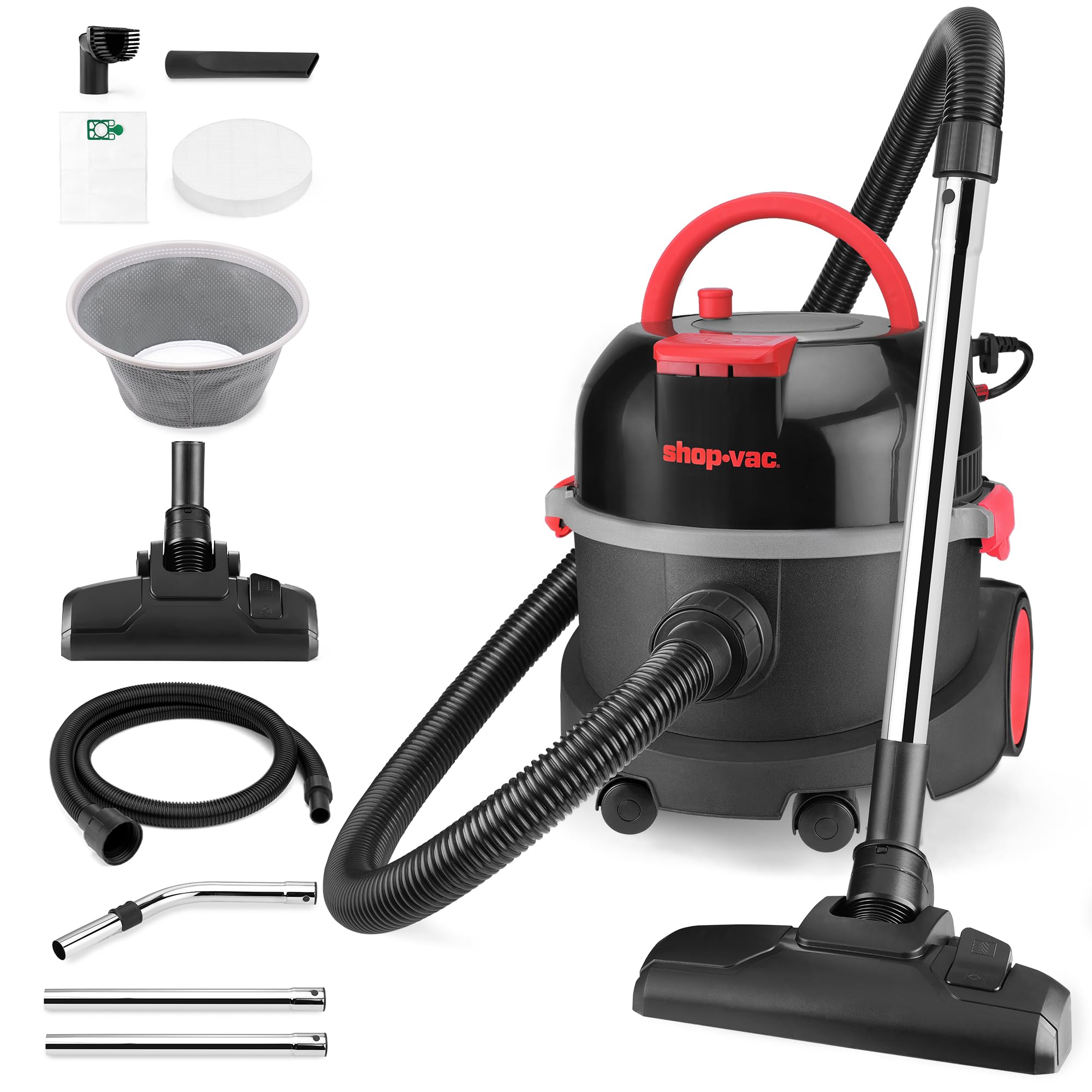
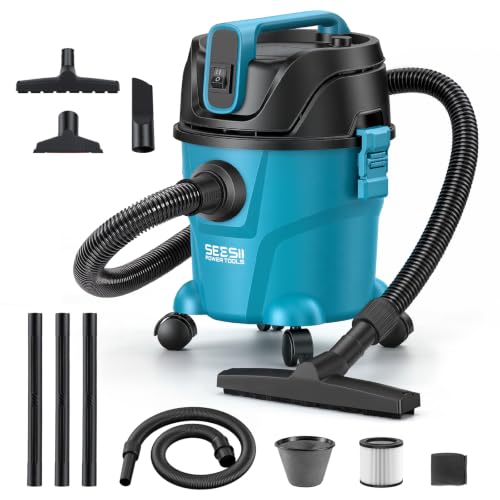
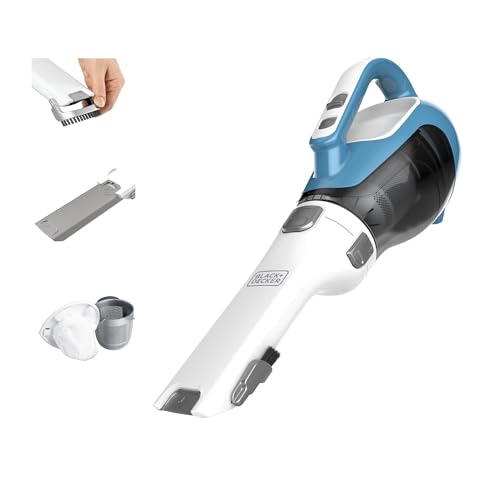
Types of 2.5 Gallon Shop Vacs Compared
Every model here shares a compact tank, but power source and debris handling split the group into clear types. Matching the type to your routine matters more than chasing the highest suction number.
Corded Portable Models
A corded model plugs into a wall outlet and runs as long as you need, which suits garage cleanup sessions that stretch past twenty minutes. You trade freedom of movement for steady suction that never fades as a battery drains. Cord length decides your reach, so check that cord plus hose covers your work area. These models often cost less because no battery or charger is included.
Cordless Models on a Battery Platform
A cordless model runs on a removable battery, often one shared with drills and other tools from the same platform. That sharing is the real value, since a spare charged pack can double your working time. Runtime usually covers one car interior or one bench area per charge. If you would need to buy into a new platform, add that cost before deciding.
Models With a Blower Function
Some small shop vacs let you move the hose to an exhaust port and blow air instead of drawing it in. That helps clear leaves from a doorway or dust from a bench. It will never match a dedicated leaf blower, but it saves storing a second tool. Check that the hose locks firmly in both ports, because a loose hose quickly turns convenience into frustration.
What Matters Most When You Compare Models
Judge each candidate on five points: suction strong enough for grit and screws, a filter setup you can clean or replace without fuss, weight you can carry with one hand, build quality that survives knocks in a garage, and a warranty with parts you can actually order later. Owner feedback reveals more about hose durability and latch quality than headline figures do. If you are weighing the broader category, our guide to the best shop vac covers the full range of sizes and uses.
How to Choose the Right Shop Vac
The sections below walk through each buying factor, from tank size down to budget.
Size and Form Factor
The 2.5 gallon size sits at the small end of a range that runs through 4 gallon, 5 gallon, 6 gallon, 12 gallon, and 16 gallon tanks. A smaller tank stores on a shelf but fills faster with bulky debris like wood shavings. Shape matters too. A low wide body resists tipping when you tug the hose, while a tall narrow body fits tighter storage gaps. A sturdy top handle matters because you will carry this size from job to job.
Type
Beyond corded and cordless, you will see quiet models with added insulation, stainless steel tanks that shrug off dents and moisture, and wall mounted units that hang in a garage bay. A detachable blower design, covered above, adds versatility. For most homes the plain portable form works best, since you can carry it anywhere. Shoppers who want compact cleanup in general can also browse our picks for the best small shop vac to see how this size compares with even smaller options.
Features Worth Paying For
A HEPA filter earns its cost if you clean fine dust often, since it traps particles that a standard filter lets pass back into the air. A long hose pays off every time you clean a car without dragging the tank across the paint. A drain port matters less at this size, because you can lift and tip a 2.5 gallon tank to empty water by hand. Skip paying extra for a drain on a tank this small and put the money toward the filter and hose instead. An onboard caddy keeps attachments from vanishing in a crowded garage.
Cordless Versus Corded
Corded power gives you constant suction and a lower price, at the cost of hunting for outlets and managing a cord around furniture and tires. Cordless power gives you grab and go freedom for stairs, cars, and outdoor steps where outlets are scarce. Runtime is the honest limit: a small battery may give about 15 to 30 minutes, and high mode drains it fastest. For a quick spill or one vehicle, cordless convenience wins. For a whole workshop floor, corded stamina wins.
Battery Platform
If you go cordless, the battery platform shapes your total cost more than the vac itself. Owning two packs already turns the vac into a bare tool purchase and keeps the price low. Buying a first pack and charger can add as much as the vac costs. Check whether the charger is included and whether your packs match the voltage the vac needs. Our guide to the best cordless shop vac explains platform choices across sizes if you want to compare runtime claims in more depth.
Brushless Motors
Some cordless models use a brushless motor, which runs with less friction than a brushed design. In practice that can mean longer runtime from the same battery and a motor that holds up well over years of short jobs. It usually adds cost. Weekly users gain the most from the efficiency. Someone who grabs the vac twice a month for spills will rarely notice the difference and can choose a simpler motor.
Accessories and Warranty
The useful kit is short: a utility nozzle for floors and mats, a crevice tool for seat rails and corners, and ideally a brush for dashboards and vents. Extra specialty tips often sit unused. Check that replacement filters and bags for your model are easy to order, since a vac with no filter supply becomes a problem within a year. Warranty terms of about two to three years are common. Keep your receipt, because claims are easier with proof of purchase on file.
How Much Should You Spend?
Basic corded models often sit under $50 and handle dry messes and light water pickup well. The about $50 to $100 band adds stronger suction, better filters, and sturdier hoses, and it is where most buyers find the right balance. Cordless models with a battery and charger included often land in the about $100 to $150 range. Paying over that should buy brushless efficiency, a HEPA filter, or a quieter design. Spending past the top band rarely makes sense at this tank size.
Is a 2.5 Gallon Shop Vac the Right Size for You?
This size fits a pattern of frequent small jobs: crumbs and grit in one car, sawdust around one bench, a leaking sink caught early, or litter tracked into an entryway. It struggles when debris volume grows. A full workshop cleanup or a flooded basement will fill the tank again and again, and each emptying trip breaks your rhythm. In those homes a 5 gallon or larger tank is the honest match.
Think about your storage spot too. A 2.5 gallon vac tucks under a bench or onto a closet shelf where a large rolling tank simply will not fit. Apartment and condo owners often choose this size for exactly that reason. Car owners who clean interiors weekly also favor it, and our guide to the best shop vac for car detailing shows which attachments matter most for that work. If most of your messes fit in a dustpan, this tank size will feel right rather than restrictive.
One more test helps: picture your largest typical mess. A spilled bag of potting soil fits this size in one or two trips. A renovation pile does not, so size up for that work.
Common Mistakes to Avoid
- Buying on suction numbers alone, when hose diameter and filter condition affect real pickup just as much.
- Using the standard filter for drywall dust, which clogs fast and can strain the motor.
- Forgetting to remove the paper filter or swap to a foam sleeve before picking up water, which ruins the filter.
- Choosing a cordless model without checking whether your existing batteries actually fit its platform.
- Storing the vac with debris sitting in the tank, which breeds odor and corrodes metal parts over time.
- Dragging the vac by its hose across a driveway, which loosens the hose cuff and wears the casing.
Care and Maintenance
Empty the tank after wet jobs and let it dry with the lid open so mildew cannot take hold. Tap the dry filter clean outdoors after dusty work, and wash it only if the maker says it is washable, letting it dry fully before refitting. Inspect the hose ends and the float that stops water intake, since a stuck float can let water reach the motor. Our walkthrough on how to use a shop vac covers safe wet pickup technique in step by step detail. Replace a torn filter promptly, because running without filtration sends fine dust straight through the motor housing.
FAQ
What is the best 2.5 gallon shop vac for a small garage?
A corded model with a long hose and a sturdy top handle suits a small garage best, since outlets are close and runtime is unlimited. Prioritize a wide stable base, because garage floors slope and a tipping tank spills its contents. Add a foam sleeve if wet spills happen in your workshop area.
Can a 2.5 gallon shop vac pick up water safely?
Yes, as long as the model is rated for wet pickup and you prepare it first. Remove any paper filter bag, fit the foam sleeve if one is supplied, and stop when you hear the motor pitch change, which signals the float has closed. Empty promptly rather than letting water sit. Never use any shop vac on flammable liquids such as gasoline or solvents, and keep the plug and cord away from standing water while you work.
How does a shop vac differ from a household vacuum for car cleaning?
A shop vac tolerates grit, coins, and damp mats that can damage a household machine, and its tools reach under seats easily. A household vacuum filters fine dust better and runs quieter indoors. Many owners keep both. Our comparison of shop vac vs regular vacuum lays out the trade offs if you are deciding whether one machine can cover both roles in your home.
How often should you replace the filter on a small shop vac?
Replace the filter when tapping it clean no longer restores suction, when it tears, or when it holds a sour smell after drying. For weekly garage use that often means about once or twice a year. Fine dust work shortens filter life sharply, so keep a spare on hand if you sand or cut drywall. A clogged filter makes the motor work harder and run hotter, so treating filters as a routine supply rather than a rare purchase protects the machine.
Will a 2.5 gallon shop vac work for pet hair in the car and home entryway?
Yes. Suction and a utility nozzle handle the short hair and tracked litter typical of entryways and car footwells well. A rubber brush attachment helps lift hair from carpet first, a trick worth adding if pets ride along often. For whole rooms of carpet, a household vacuum with a rotating brush still finishes faster.
Final Thoughts
The right choice comes down to matching type and filter to your routine rather than chasing the longest spec list. Corded models serve long garage sessions, cordless models serve quick grab and go jobs, and a blower port adds handy versatility. Work through the product table above once more with your storage spot and your biggest typical mess in mind, and the best 2.5 gallon shop vac for your home should be an easy call.