Best 12 Gallon Shop Vac (2026): What to Look For
Disclosure: We may earn a commission when you buy through links on this page, at no extra cost to you. As an Amazon Associate I earn from qualifying purchases. Learn more

How to pick the best 12 gallon shop vac: the features that matter, who each style suits and what to avoid.
A 12 gallon tank sits in a useful middle ground. It holds enough water and debris for a flooded corner, a renovation room, or a full garage cleanup without constant emptying, yet it still rolls and stores like a home machine. Choosing the best 12 gallon shop vac comes down to power and performance, ergonomics and weight, and the filters and accessories you get for wet and dry work.
This guide compares the main types in this size and walks through the specs that actually matter. You will find the comparison table below, followed by sizing advice, budget guidance, and answers to common questions. If you want the broader picture first, see our guide to the best shop vac before you narrow in on this capacity.


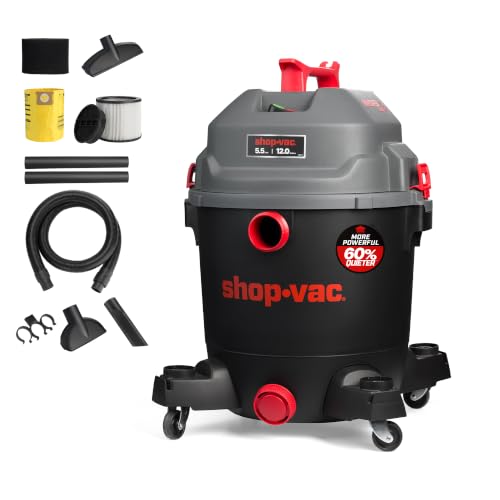
Shop Vac Types Compared at a Glance
The first type is the standard corded model with a plastic tank. It is usually the lightest and least expensive option in this size, and it handles sawdust, dirt, and standing water well. Plastic resists dents and does not rust, which suits garages and basements where the tank gets knocked around during storage and transport.
The second type uses a stainless steel tank. It feels sturdier, resists staining from dirty water, and often includes a drain port near the base. The trade off is extra weight, which you notice when you lift a partly filled tank up steps or into a vehicle. This type suits workshops where the vac mostly stays in one place.
The third type adds a detachable blower. The motor head lifts off and works as a leaf and dust blower for patios, driveways, and workbenches. That versatility helps if you lack storage for a separate blower. Suction is similar to a standard model, so judge it mainly on whether you will truly use the blower function each season.
What Separates One Shop Vac From Another
Shop vacs in this size differ on power and performance, ergonomics and weight, tank and hose durability, filter options and warranty coverage. Manufacturer specifications and buyer feedback are the best guides, while claims that cannot be checked, such as vague suction ratings with no method stated behind them, deserve little weight. Battery runtime only applies to the rare cordless models here.
How to Choose the Right Shop Vac
Start with your most common job, then match the tank, motor, and accessories to it. Our step by step overview of how to choose a shop vac covers the general process, while the sections below focus on what changes specifically at the 12 gallon size.
Size and Form Factor
Capacity names describe the tank, not how much you should fill it before emptying. A 12 gallon model holds far more than the 2.5, 4, 5, and 6 gallon sizes, so you stop less often during big cleanups, while a 16 gallon model adds bulk that many homes do not need. Width matters too, since a wide tank on casters needs doorway clearance and floor space. If your jobs are mostly small spills and car interiors, compare a best small shop vac instead, because a compact body is easier to carry and store.
Type
Most 12 gallon models are corded and portable on casters, and that remains the practical default for long jobs. Wall mounted and quiet designs exist in smaller sizes but are uncommon at this capacity, since a full tank is heavy to hang and powerful motors make noise. A detachable blower type adds outdoor versatility. Stainless steel suits fixed workshop use, while plastic suits mixed indoor and outdoor work. Pick the type that matches where the vac will live and how often you move it.
Features Worth Paying For
A drain port near the base is worth paying for if you pick up water often, because tipping a full tank into a sink is awkward and messy. A long hose, around 7 to 10 feet or more with an extension, lets the tank stay put while you work around a vehicle or bench. A fine dust filter, including HEPA rated options, matters for drywall and cement dust. Skip paying extra for large accessory bundles filled with nozzles you will never use.
Corded or Cordless Power
Corded models dominate this size for a simple reason. Wet and dry pickup at this capacity demands sustained power, and a cord delivers it for as long as the job takes. Cordless models in this class are rare and trade runtime for freedom from outlets, which suits quick jobs away from power. If that trade off appeals to you, look at the best cordless shop vac options in smaller sizes. Gas power is not used for shop vacs, so your real choice is corded versus battery.
Accessories and Warranty
A useful starter kit includes a utility nozzle, a crevice tool, a wet nozzle, and at least one extension wand. Check that replacement filters and bags for your model are easy to buy, because a vac without available filters loses value fast. Warranty length varies, and coverage for the motor matters most. Before your first big job, read our guide on how to use a shop vac so you swap filters correctly between wet and dry tasks and avoid early wear.
How Much Should You Spend?
Basic models under $50 are uncommon at this size and usually cut corners on hose quality and filters. The range of about $100 to $150 covers most well equipped corded models for home and garage use. Spending under $200 can add a stainless steel tank, a detachable blower, or better filtration. Paying over $200 makes sense mainly for demanding workshop use. Judge each price tier by the drain port, filter type, and hose length included, not by the motor figure alone.
Is a 12 Gallon Shop Vac the Right Size for You?
Choose this size if your jobs regularly fill a small tank more than once. Examples include draining a water heater sediment flush, cleaning a two car garage after a project, or picking up renovation debris room by room. The tank holds enough that emptying stays occasional, and the caster base keeps it manageable on flat floors even as the load grows during a long session.
Think twice if you mostly clean car interiors, small spills, or a single workbench. A smaller vac stores in a closet, carries up stairs easily, and costs less, while this size needs real floor space. Drivers who clean vehicles weekly may prefer the reach and compact storage discussed in our guide to the best shop vac for car detailing. Also consider your strength, because 12 gallons of water weighs about 100 pounds, far too much to lift safely.
That weight point shapes how you should work. Roll the vac to a floor drain or doorway and use the drain port instead of lifting a full tank. If your space has no drain and many stairs, a smaller tank emptied more often is the safer and more realistic choice, even though the larger capacity looks better on paper at first glance.
FAQs
What is the best 12 gallon shop vac?
There is no single answer, because the right model depends on whether your work is mostly wet or dry. For dry debris, airflow measured in cubic feet per minute decides how fast the hose clears material. For water, sealed suction lift matters more, since it pulls liquid up against gravity. Match the stronger figure to your main job, then confirm the filter, drain port, and hose length suit it, and you will land on the right model for your space.
What size shop vac do I need?
Base the size on the volume of one typical job, not your biggest imaginable mess. If a single session usually produces a few gallons of debris or water, a mid size tank avoids wasted storage space. Measure your storage spot and your narrowest doorway before ordering, since a wide tank that cannot reach the work area helps no one. Renting a large unit for a rare one time flood is cheaper than storing an oversized vac all year.
How long does a shop vac last?
A home shop vac used for occasional projects often serves for many years, while daily workshop use shortens that span. Heat is the main enemy, so let the motor cool during long sessions and never keep running it with a clogged filter, which forces it to work harder. Storing the vac indoors, dry and with the tank empty, protects the motor and prevents sour smells. Replace worn hoses and seals promptly, since small air leaks steadily reduce cleaning performance.
Is a shop vac worth it?
For most homeowners, yes, because it handles jobs that can damage an indoor vacuum, such as nails, gravel, wet leaves, and standing water. It also protects your household machine from costly motor and bag damage caused by sharp or damp debris. If you renovate, garden, keep a workshop, or park in a garage that collects grit, the vac earns its storage space quickly. Households in small apartments with none of those jobs may reasonably skip owning one.
How do you clean a shop vac?
Empty the tank outdoors or into a trash bag, then wipe the inside with a damp cloth and mild soap if dirty water left residue. Remove the filter and tap it gently against the inside of a bin to knock dust loose. Wash the filter only if the maker labels it washable, and let it dry fully for a full day before reinstalling. Clean the hose by shaking out trapped debris, and check the float valve moves freely so shutoff works during water pickup.
What is the most reliable shop vac brand?
Reliability depends less on the badge than on parts support behind the model. Before buying, confirm that filters, bags, and hoses for that exact model are in stock from several sellers, and check how warranty claims are handled in your region. A model with common filter sizes and a long production run is easier to keep working for years. Reading recent buyer reports about caster and latch failures tells you more than brand reputation alone ever will.
Final Thoughts
A 12 gallon tank gives you real capacity for water, debris, and renovation mess without the bulk of the largest sizes. Focus on airflow or suction lift for your main job, a drain port if you handle water, filtration that matches your dust, and a weight you can roll rather than lift. Chosen that way, the best 12 gallon shop vac becomes a tool you reach for weekly. You can compare your shortlist against the product table above before you order.