
Best 10 Lb Weighted Blanket (2026): Features and Buying Tips
Disclosure: We may earn a commission when you buy through links on this page, at no extra cost to you. As an Amazon Associate I earn from qualifying purchases. Learn more
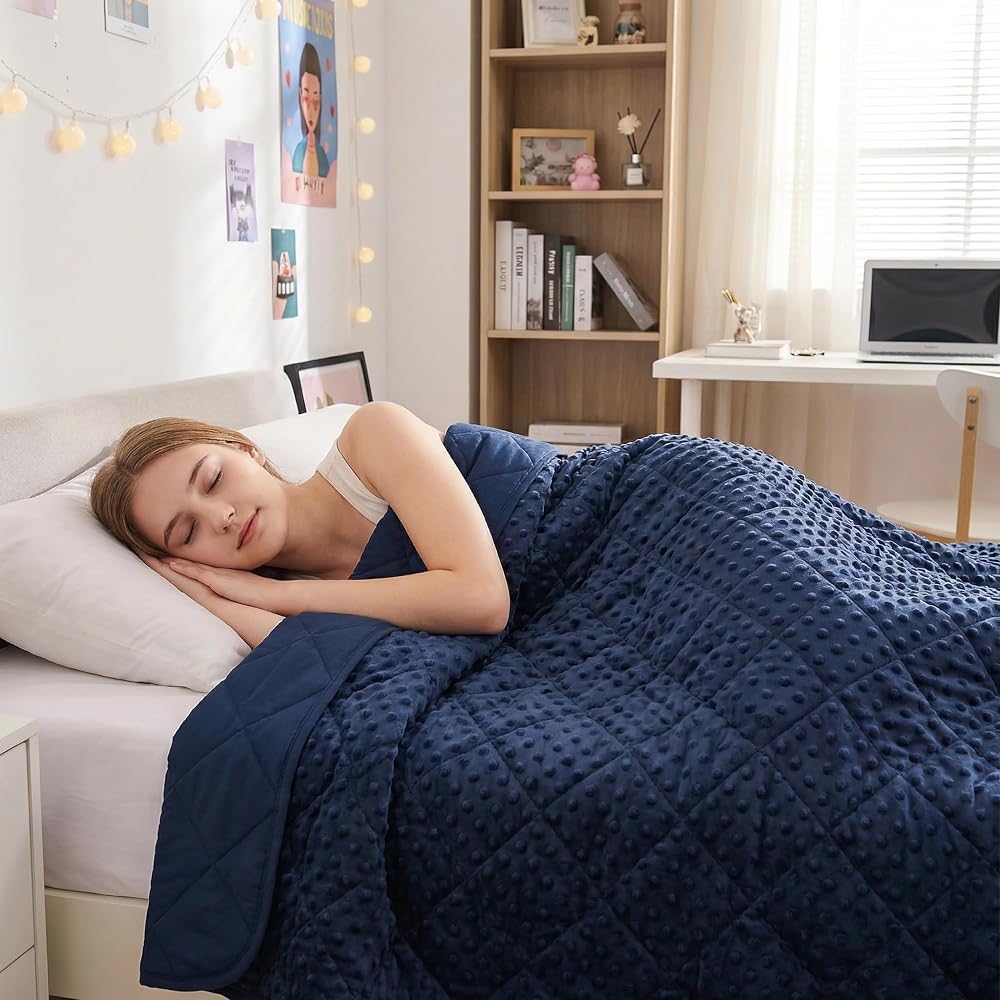
Shopping for a best 10 lb weighted blanket? Here is what to check on size, build, features and budget before you buy.
Choosing a weighted blanket sounds simple until you face the first real question, which is whether 10 lb is enough pressure for your body or simply a light layer that shifts around all night. The best 10 lb weighted blanket for you depends on your body weight, your sleep position, and how warm you sleep. This guide compares the main types by comfort, materials, and temperature control, so you can judge any option in the comparison table below with confidence.
A 10 lb model sits at the light end of the adult range, and that is why it suits some sleepers so well. If you are also weighing up heavier options, our guide to the best weighted blanket covers the full weight range.


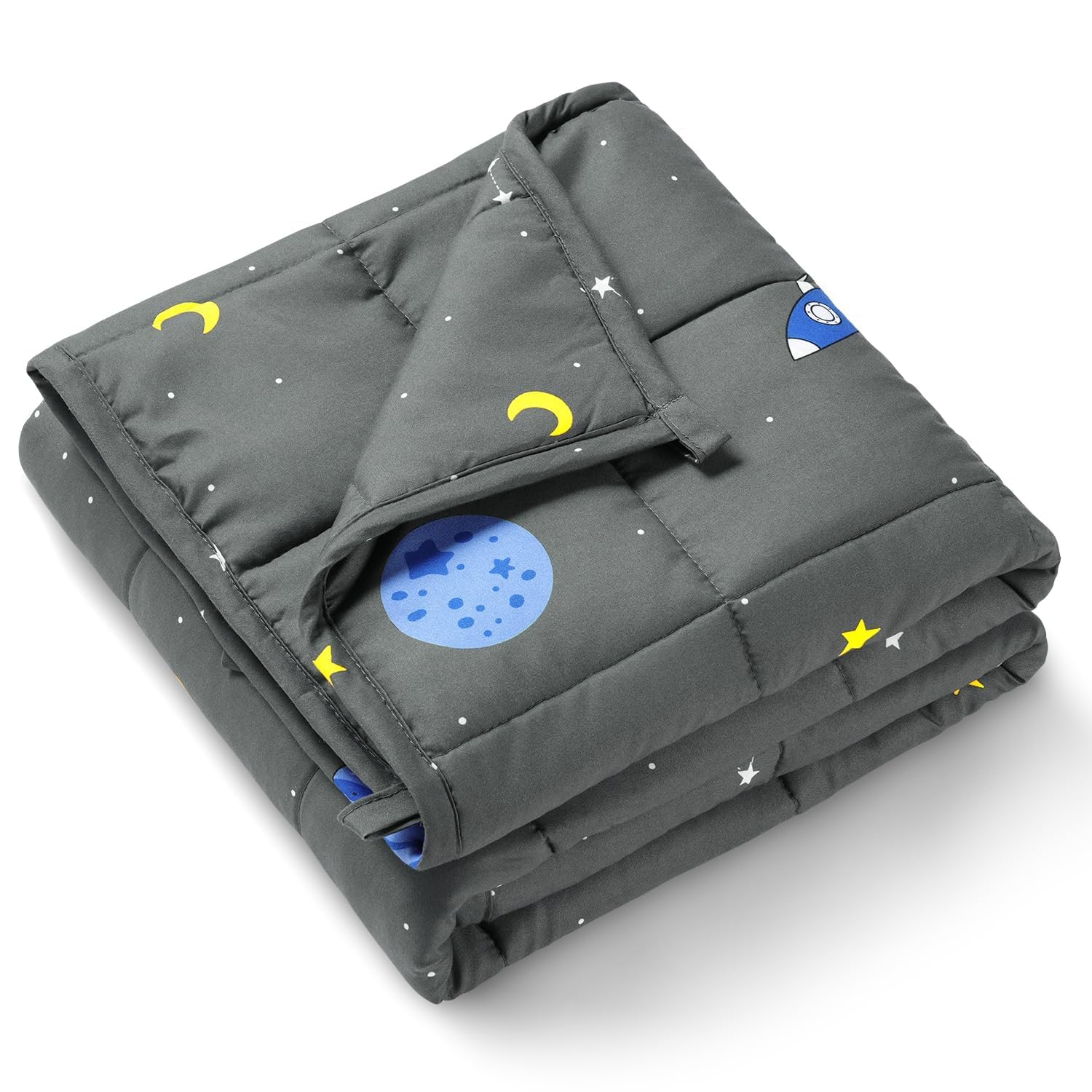


Types of 10 Lb Weighted Blankets at a Glance
Start with the three constructions you will meet at this weight. Each creates pressure in a different way.
Quilted Blankets Filled With Glass Beads
This is the most common design. Tiny glass beads sit inside stitched pockets spread across the blanket, and the pocket grid keeps the weight from pooling in one corner. Look for small pockets and strong stitching, since both decide how even the pressure feels. These blankets drape closely and feel smooth under a cover. Their weakness is care, because the fill cannot be removed before washing.
Knitted Weighted Blankets
A knitted blanket gets its weight from thick yarn looped into an open weave, with no loose fill inside at all. Air moves through the loops, so this type often feels cooler than a quilted design of the same weight. The drape is softer and the pressure gentler, because the yarn spreads it over a wider area. Knitted styles also look like a normal throw, though the open loops can snag on jewelry or pet claws.
Cooling Fabric Weighted Blankets
Some 10 lb blankets pair bead fill with a shell made from cotton, bamboo derived viscose, or another fabric chosen to move heat and moisture away from your skin. The pressure feels much like a standard quilted blanket, but the surface stays cooler to the touch early in the night. This type suits warm rooms and sleepers who run hot, though the fill still holds some warmth.
What Matters Most When Comparing 10 Lb Weighted Blankets
Five criteria do most of the work when you compare options. Comfort and support come first, because even pressure that stays in place is the whole point of the product. Materials and fabric safety certifications come next, followed by temperature regulation, since a blanket you kick off at midnight does nothing for you. Durability matters because seams carry constant load, and a fair trial period protects you if the weight feels wrong.
How to Choose the Right Weighted Blanket
The steps below walk through the decisions in the order that causes the fewest returns. Start with size, then construction, then fabric and care.
Size and Form Factor
A weighted blanket should cover your body, not your whole bed. Most 10 lb models come in throw or twin sizes meant for one person, and that is the right scale, because weight that hangs over the mattress edge pulls the blanket toward the floor. Check the length against your height so your feet stay covered. If you share a bed, two lighter blankets, one per person, usually work better than one large blanket.
Type and Construction
Construction decides how the pressure feels and how you will care for the blanket. Quilted bead filled designs drape the closest and feel the firmest. Knitted designs feel softer and breathe better, but take up more room in a wash. Chunky knit styles use very thick yarn and wide loops. Minky shells feel plush and warm, while plain cotton shells feel crisp and neutral. Match the construction to your climate first, then to the washing effort you accept.
Features Worth Paying For
The feature that earns its cost most often is a removable cover. A cover protects the inner blanket from spills, skin oils, and pet hair, and it is far easier to wash than the weighted layer itself. Look for ties or loops inside the cover that fasten to the blanket, since an unsecured blanket bunches into one corner. Beyond the cover, most extras add little.
Sleep Position and Body Type
Back sleepers usually feel 10 lb of pressure as a steady, even layer, rarely too much on the chest. Side sleepers put more of the blanket over one shoulder and hip, so a flexible construction that bends with your body feels better than a stiff one. Stomach sleepers often prefer the lightest pressure of all, so a generous trial period matters most for them.
Materials and Certifications
Shell fabrics range from organic cotton and bamboo derived viscose to synthetic microfiber and plush minky. Cotton breathes well and washes easily, viscose feels cool and smooth, and microfiber costs less but can hold more heat. The fill is usually glass beads, sometimes blended with plastic pellets or polyester padding that softens the feel. A fabric safety certification from an independent testing program means the finished fabric was checked for harmful substances, a useful trust signal.
Cooling and Breathability
Heat is the most common reason people abandon a weighted blanket, so take this factor seriously if you sleep warm. Open knit weaves move the most air, smooth viscose and cotton shells feel cooler than plush ones, and a light cover beats a flannel one in summer. Room temperature still matters more than any fabric claim. If overheating is your main concern, our guide to the best cooling weighted blanket compares designs built around airflow in more depth.
Trial Period and Warranty
Pressure preference is personal, and you cannot judge it from a product page. A trial window of at least a few weeks lets you test the blanket across warm and cool nights before you commit. Read what the trial covers, including who pays for return shipping. For the warranty, check what it protects against, such as leaking fill or seam failure, and for how long. A clear warranty says more about build quality than any marketing claim.
How Much Should You Spend?
Price at this weight falls into clear tiers. Options priced under $50 are usually basic quilted blankets with a fixed shell and no cover, fine for a guest room. The band from about $50 to $100 is where removable covers, smaller stitched pockets, and better fabrics become common, and most buyers should shop there. From about $100 to $200 you get knitted constructions and premium natural fabrics. Spending over $200 mostly buys appearance and brand, so demand a long trial to justify it.
Is a 10 Lb Weighted Blanket the Right Size for You?
The usual starting point is a blanket weight of around 10 percent of your body weight, which puts a 10 lb blanket in range for someone who weighs about 90 to 120 lb. That makes it a natural choice for teens, petite adults, and anyone who found a 15 or 20 lb blanket oppressive. Our guide to the best weighted blanket for adults explains how the heavier sizes suit larger bodies. Larger adults can still enjoy a 10 lb blanket across the lap or legs while reading.
Some people use a lighter blanket while winding down in the evening, because deep pressure helps them feel settled. If anxiety is part of your picture, our guide to the best weighted blanket for anxiety covers that use in more detail, and a weighted blanket should support, never replace, professional care. Talk with your clinician about personal needs, especially if you have breathing problems or sleep apnea. Never place one on a child who cannot lift it off alone, and stop using one if it causes numbness or pain.
Common Mistakes to Avoid
- Buying by bed size instead of body weight, which leaves you with a blanket that slides off the mattress.
- Assuming heavier always means better, when too much pressure can disturb sleep and leave you sore.
- Sharing one blanket between two sleepers of very different sizes, so one gets too little pressure and the other too much.
- Ignoring the care label until the first wash, then discovering your home machine cannot handle the load.
- Judging the blanket after a single night, when most people need a week to settle into the pressure.
- Letting the blanket cover your head or neck, which no weighted blanket is designed to do.
Care and Maintenance for a 10 Lb Weighted Blanket
Good care mostly means protecting the stitching and keeping the fill dry and evenly spread. Shake the blanket out and lay it flat each week so the fill settles back across its pockets. Treat small spills at once with a damp cloth and mild soap, which keeps full washes rare. A removable cover catches oils and dust daily, so wash the cover often and leave the inner blanket alone unless it truly needs cleaning.
When a full wash is due, follow the maker label for water temperature and cycle, and dry the blanket fully before use, since trapped moisture adds odor. Inspect seams every few months, and work snagged knitted loops back into place with your fingers. Store the blanket folded loosely rather than compressed in a tight bin.
FAQs
What is the best 10 lb weighted blanket for a first time buyer?
For a first purchase, the safest profile is a quilted glass bead blanket with a removable cover, bought from a seller with a trial window of several weeks. That combination keeps washing simple and lets you return the blanket if the pressure feels wrong. Start with the standard fabric for your climate.
What size weighted blanket do I need for a twin bed?
Choose by body coverage rather than mattress size. On a twin bed, a single person 10 lb blanket should sit inside the edges of the mattress with little or no overhang, because overhang creates a constant slide toward the floor. Measure from your shoulders to past your feet, then compare that length with the dimensions on the product page before you order.
How long does a 10 lb weighted blanket last?
Lifespan depends on construction and care more than on the calendar. A quilted blanket with dense stitching and a protective cover can serve for years, while a loosely stitched one may start leaking beads within a season. Replacement signs are fill escaping at a seam, pockets torn open so weight pools in one area, and knitted loops stretched until pressure feels uneven.
Is a 10 lb weighted blanket worth it if I am not sure pressure helps me sleep?
It can be, as long as you protect the purchase with a real trial period and modest expectations. Use the blanket for at least a week of normal nights, since the first night often feels odd simply because the sensation is new. Keep your usual pillow and room setup unchanged, so any change in how fast you settle is easier to judge.
How do you clean a 10 lb weighted blanket at home?
First check whether your washer can handle a 10 lb load with room for the blanket to move, because a drum packed tight cleans poorly and strains the machine. Wash the blanket alone on a gentle cycle, and see our full walkthrough on how to clean a weighted blanket for step by step detail. Spread the blanket evenly around the drum before the spin cycle to stop the machine shaking.
What makes a weighted blanket brand reliable?
Reliability shows up in specifics rather than in a name. A dependable maker states the fill material and dimensions plainly, publishes clear washing instructions, and backs the seams with a written warranty. Consistent sizing from one production run to the next is another good sign. Read recent buyer reports for patterns, such as repeated mentions of leaking fill, instead of trusting a star average alone.
Final Thoughts
A 10 lb blanket is the lightest step into weighted sleep, and for the right body it is not a compromise at all. Match the weight to your body first, pick the construction that fits your climate, and insist on a trial window. When you compare the best 10 lb weighted blanket options side by side, use the product table above to check sizes, fabrics, and covers against this guide. For a broader walkthrough, read our article on how to choose a weighted blanket next.


