AquaBliss SF100 Review (2026): Is It Worth the Money?
Disclosure: We may earn a commission when you buy through links on this page, at no extra cost to you. As an Amazon Associate I earn from qualifying purchases. Learn more

Our AquaBliss SF100 review covers performance, design, cleaning, pros and cons, and who should buy it. Plus top alternatives. Updated 2026. Updated for 2026.
The SF100 is not a shower head. It is a compact filter unit that sits between your shower arm and the head you already own, and this aquabliss sf100 review judges it on that job alone. What matters is how much chlorine and sediment it can reduce, how it affects flow, and how often the cartridge needs replacing. The comparison table below sums up the key facts.
If your water smells strongly of chlorine or leaves your skin feeling tight after a shower, a filter like this is a cheap first step before you replace any fixtures. If you mainly want better spray patterns, start with our guide to the best shower head instead, because a filter alone will not change how the water sprays.


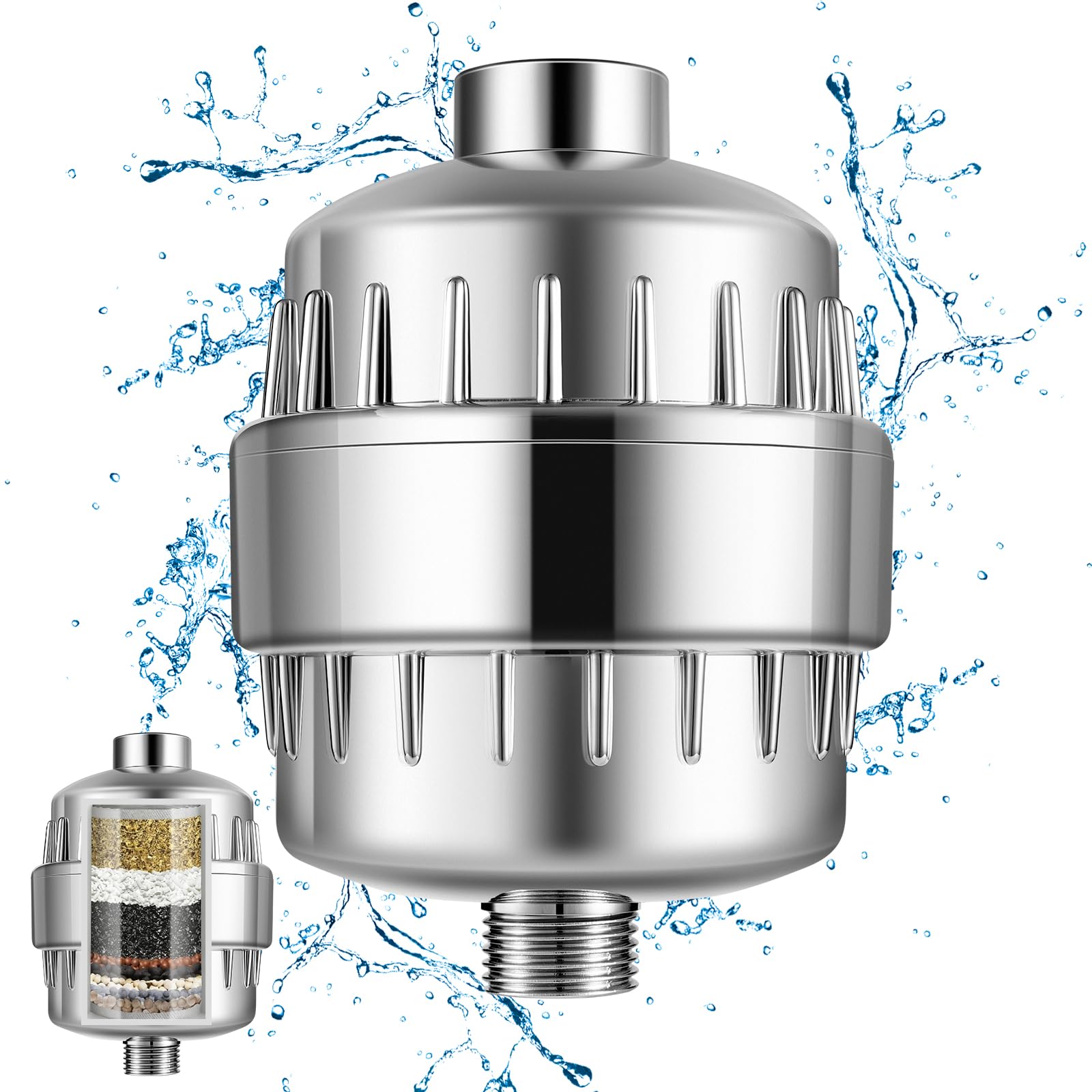

AquaBliss SF100 Specs at a Glance
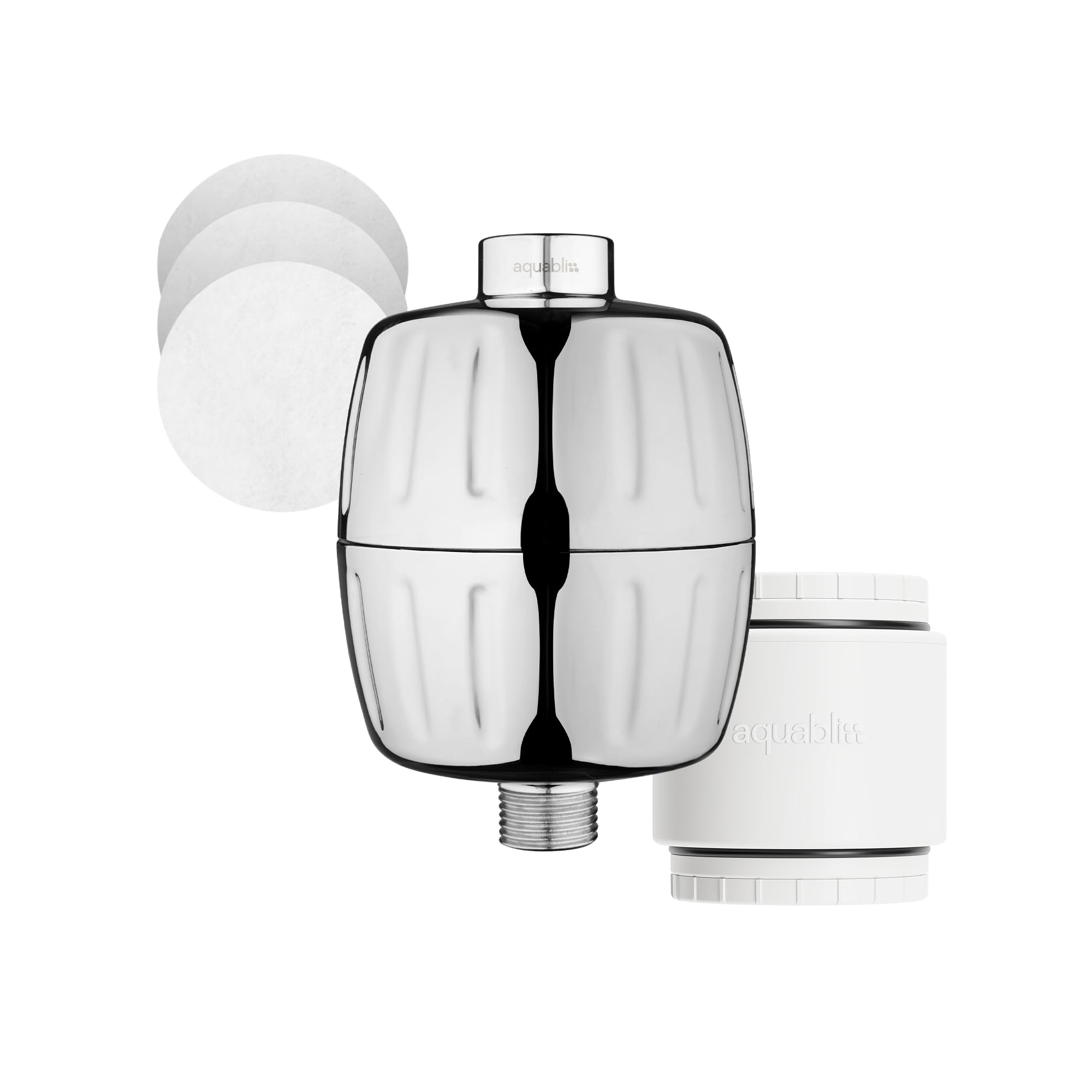
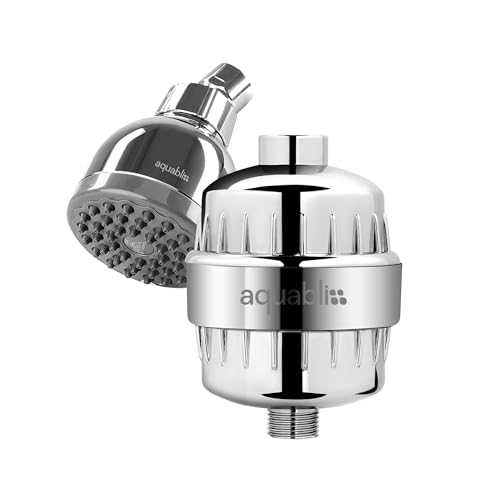
The SF100 is an inline housing that holds one replaceable cartridge. You unscrew your current head, fit the filter to the arm, then refit the head to the filter outlet. Listings describe a multi stage cartridge that combines several filter media in one sealed unit. When you read any aquabliss sf100 review or listing, check these points first.
- Product type: inline shower filter, sold without a shower head
- Connection: standard shower arm threading used in most US homes
- Cartridge: sealed and replaceable, not refillable
- Media approach: several stages, including carbon based media and media aimed at chlorine
- Finish: housing finishes chosen to sit neatly under common chrome heads
- Ongoing cost: a fresh cartridge on a regular cycle, usually a few times a year
Design and Build Quality
The housing is short and round, so it adds only a little length to the shower arm. That matters in small stalls and in tub and shower combos where head height is already tight. If you are tall, measure the drop before you buy, because the head will sit slightly lower and slightly further from the wall once the filter is in place.
The body feels solid for a plastic housing, and the weight sits close to the wall, which limits strain on the arm. The cartridge adds most of the weight when wet. Threads on both ends are the part to inspect on arrival, because crossed or rough threads cause most drips with this type of filter.
Performance
Performance for a shower filter means three things: what the water feels and smells like, how much pressure you lose, and how long that result lasts before the cartridge fades.
Installation and Compatibility
Fitting takes minutes and needs no plumber. You remove the head, wrap the arm threads with thread seal tape, screw on the filter hand tight, then attach the head to the outlet. It suits fixed heads, rain heads, and most handheld heads on a hose. Very heavy rain heads deserve extra care, because a wet cartridge adds load to the arm.
Build Quality and Finish
The finish is there to blend in, and common options match chrome and brushed bathroom fittings well enough at a glance. The seals inside each end do the real work. If a drip appears, reseat the washer and add fresh tape rather than tightening harder. Overtightening can crack a plastic housing, so hand tight plus a small extra turn is the limit.
Features
The main feature is the mix of media in one cartridge. Carbon based media address chlorine taste and smell, while other stages are aimed at sediment and at compounds that form scale. No shower filter of this size softens water the way a true softener does, so minerals will still be present. Treat claims about softer skin and hair as comfort claims, not as household scale water treatment.
Certifications
Check certification claims with care. For shower filters, the relevant independent standard in the US covers chlorine reduction and is voluntary, and many filters in this class are sold on maker claims rather than on a listing under that standard. Before you pay extra for any claim, search the certifying body database for the exact model name. If the model is not listed, weigh the claim as marketing and judge the filter on price and cartridge cost.
Key Features to Compare
Use these four factors to judge the SF100 against any other filter you are considering.
Filtration Media and What Each Stage Targets
A longer list of stages sounds better, but what counts is whether the media match your problem. If chlorine smell is your complaint, carbon based media and media rated for hot water use matter most, because shower water is warm and some media lose effect as temperature rises. If your water carries visible grit, a sediment stage protects the finer media behind it. A stage that no one can explain in plain words adds cost without adding value.
Flow Rate and Pressure Feel
Any filter adds resistance, so some pressure loss is normal, and it grows as the cartridge loads up. A filter that starts strong can feel weak within weeks if your water carries heavy sediment. If your home already has low pressure, this factor decides whether a filter is workable at all. Choose the housing with the freest flow you can find, and treat a sudden drop in pressure as a sign the cartridge is spent.
Cartridge Life and Replacement Cost
The unit price is only the start. The real cost is the cartridge cycle, so add up a full year of replacements before you decide the filter is cheap. A household where four people shower daily will exhaust a cartridge far sooner than a single person in a guest bathroom. Some makers state life in months and others in gallons, and the gallon figure is the more honest one for busy homes.
Housing Size, Weight, and Head Clearance
Measure from the arm to the top of your head and picture that space reduced by the length of the filter. In a low stall, that lost height decides whether you stand under the spray or in front of it. Weight matters too on older arms, where extra load can loosen the fitting over time. If your current head already sits low, a filter built into a replacement head may fit your space better.
Ease of Use, Cleaning, and Maintenance
Day to day use needs nothing from you, which is the appeal of the format. Maintenance is a single task: swapping the cartridge. You unscrew the housing or the whole unit, drop in the new cartridge, and run the water briefly to flush loose particles before your next shower. Keep a spare cartridge in the cupboard, because flow falls off gradually.
The sealed cartridge cannot be scrubbed or revived, so do not budget on cleaning it back to life. Wipe the housing exterior when you change the cartridge and check both washers for flattening or cracks at the same time. A washer kit costs very little and stops the slow drip that owners often blame on the filter itself.
AquaBliss SF100 Pros and Cons
What works in its favour:
- Fits the shower you already own, with no change of head or plumbing
- Multi stage cartridge targets chlorine smell and sediment in one unit
- Low entry cost compared with treating water for the whole home
- Cartridge swaps take minutes and need no tools beyond your hands
Where it falls short:
- It does not soften water, so limescale and mineral spots remain
- Pressure drops as the cartridge ages, and busy homes feel this sooner
- Replacement costs repeat all year and narrow the saving over time
- Independent certification for this class is limited, so claims need checking
Who Should Buy the AquaBliss SF100 (and Who Should Not)
Renters are the clearest fit. You can fit the filter in minutes, remove it when you leave, and take it with you, all without touching the plumbing. Owners of homes on city water with a strong chlorine smell are the second group, because that is the problem this media mix is built to reduce. If dry skin after showers is your concern, a filter may improve comfort, but it is not a medical treatment. See a clinician if you have ongoing skin problems, sudden swelling, or a rash that spreads.
Skip this type of filter if your goal is soft water for the whole bathroom, if your pressure is already weak, or if your real complaint is spray quality. Those problems need a softener, a pressure check, or a new head, and no cartridge will solve them.
AquaBliss SF100 vs Alternatives
The closest alternative is a shower head with the filter built inside it. That format saves head height and looks neater, and our jolie filtered showerhead review shows how that approach works in practice. The trade off is that you replace your current head, so spray pattern and filter quality have to please you in the same purchase, and cartridge choice is tied to that one brand of head.
A second route is a handheld head on a hose, which suits bathing kids, washing pets, and rinsing the stall. The moen engage magnetix review covers a magnetic docking design in that class. You can still add an inline filter ahead of a handheld head, so the two choices are not exclusive. Treating water where it enters the home costs far more and suits scale control everywhere, not just one shower.
Where to Buy and Best Price
Expect to pay about $25 to $40 for a filter unit of this type, with replacement cartridges at about $15 to $25 each. Buy from a listing that states the cartridge model clearly, since lookalike cartridges that fit poorly are a common cause of leaks. Prices and availability can change, so check the product page before ordering. A bundle with a spare cartridge often works out cheaper over the first year.
FAQ
Is the AquaBliss SF100 worth it?
It is worth it if chlorine smell or gritty water is your main complaint and you will replace the cartridge on schedule. The honest check is the yearly total: add the unit plus a year of cartridges, then compare that figure with a filtered head you like. If you tend to forget maintenance, the value fades fast once the media is spent.
What are common AquaBliss SF100 problems?
Owners of inline filters most often report drips at one end, a slow fall in pressure, and a rattle if the cartridge is not seated squarely. Drips point to washers and tape, pressure loss points to a loaded cartridge, and a rattle usually stops once the cartridge is centred. A sulfur like smell returning early can mean heavy use rather than a fault.
How long does the AquaBliss SF100 last?
The housing can serve for years, while each cartridge lasts a matter of months. The variable that matters most is water volume: long showers and large households shorten cartridge life. Water quality matters too, because sediment heavy water clogs the outer stages first. Mark the fitting date on the cartridge with a pen, and judge by that date plus flow, not by memory.
What is a cheaper alternative to the AquaBliss SF100?
A basic single stage carbon filter unit costs less up front and suits a guest shower or a trial run to see whether filtered shower water suits you at all. Another low cost step is to keep your current head and descale it, because some pressure and spray complaints blamed on water quality are really blocked nozzles. Neither option matches the broader media mix discussed in this aquabliss sf100 review, but both let you try the idea before you commit to a cartridge cycle.
How do you clean the AquaBliss SF100?
You do not clean the cartridge itself, because it is sealed and cleaning cannot restore spent media. Clean the parts around it instead: wipe the housing, rinse the inlet screen if your unit has one, and soak the shower head in a vinegar solution when scale narrows the jets. Do that head soak on the same day as a cartridge change and the whole job takes one short session a few times a year.
Final Verdict
Judged as a filter and not as a shower head, the SF100 format makes sense for renters and for anyone whose city water smells of chlorine. Its value rests on three things: honest expectations about softening, room under your shower arm, and the discipline to change cartridges on time. Check the product table above before you decide, and if those three points line up for your bathroom, this aquabliss sf100 review lands in favour of buying it.